Salahuddin Ahmed / Oxfam
Impact stories
Adapting to floods in Bangladesh with innovative toilets and clean water
For people living in the shallow wetland ecosystems of northern Bangladesh, known as haors, flooding is part of everyday life. Oxfam and partners are working with communities to build innovative solutions that provide safe, clean water and sanitation networks.
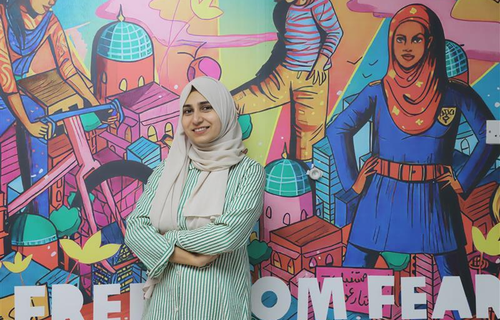
I’m Fatema Tuz Johoora, Cox’s Bazar Community Coordinator, Oxfam in Bangladesh
Reading time: 5 minutes
In my role, I work closely with communities across Bangladesh, supporting projects that help families stay safe, healthy, and prepared for the future. In flood-affected areas like Sunamganj, for nearly seven months each year, villages become isolated from cities and the mainland, making it difficult to access safe water and sanitation.
Building a resilient future
Through the Resilient WASH Solution for Flood-Affected People of Haor Areas in Bangladesh project, we are helping communities adapt with innovative, sustainable solutions and community-led education. By introducing and adapting technologies, we are improving health and ensuring year-round access to essential services. New technologies include:
- floating toilets
- solar-powered water harvesting
- tap networks
- underground toilet networks.
Salahuddin Ahmed / Oxfam
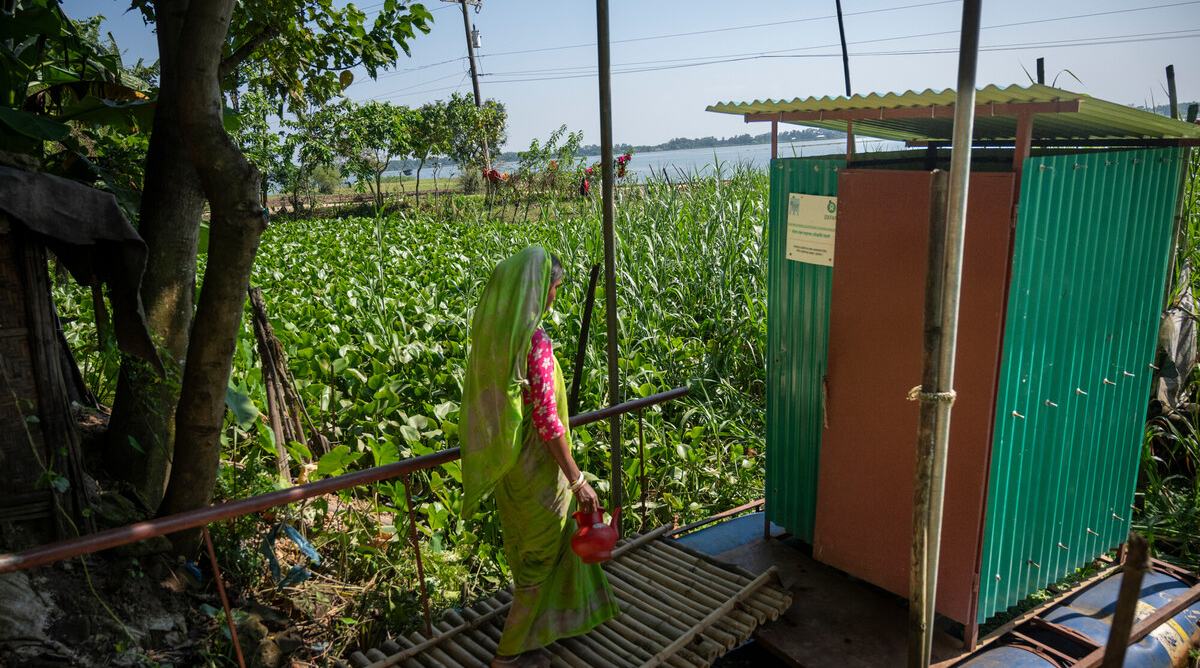
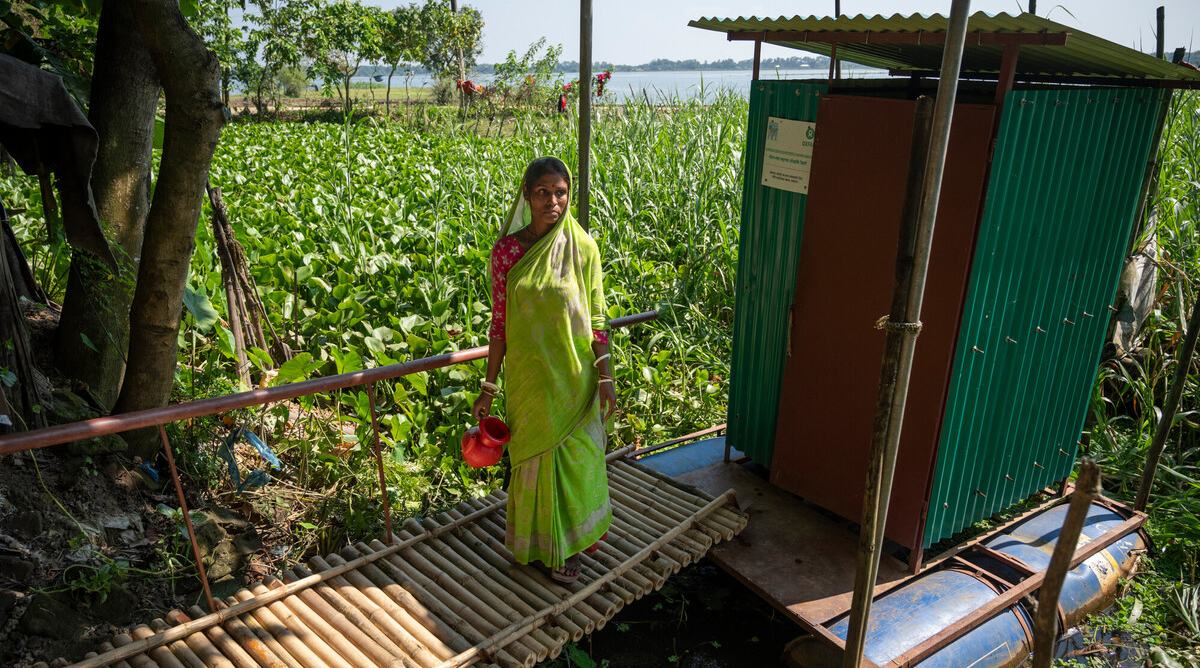
Floating toilets: a world-first innovation for flood resilience
In the flood-prone communities of Sunamganj, traditional bamboo toilets are frequently submerged or swept away during seasonal flooding, leaving families without safe sanitation and increasing the risk of disease.
To address this, a world-first pilot project is introducing innovative floating latrines designed to withstand rising waters. Built on durable drum barrels, these floating toilets rise with flood levels and remain accessible through a secure gangway connecting them to land. By providing safe, reliable sanitation during even the most severe floods, the initiative is helping communities protect their health and adapt to life in a changing environment.
Now if there is flooding, the bathroom won't sink, this is good... Even when there is stormy rain, we can use [the] toilets properly.”
Shantona, a Sunamganj resident
Salahuddin Ahmed / Oxfam
Solar-powered pumps that provide safe and clean water for communities.
In the community of Sunamganj, families once relied on river water for drinking, exposing them to unsafe conditions and frequent illness. In a region heavily impacted by the climate crisis and facing limited access to reliable resources, finding a sustainable clean water solution was critical.
Working with our local partner, Efforts for Rural Advancement (ERA), this project introduced a solar-powered water supply system to provide safe, dependable water throughout the year. Powered by renewable energy, the system ensures a continuous flow of clean water for the community, improving health outcomes and strengthening resilience in the face of recurring floods and climate challenges.
After this pump was given, we no longer have to bring water from other places.”
Abul, a Sunamganj resident
Salahuddin Ahmed / Oxfam
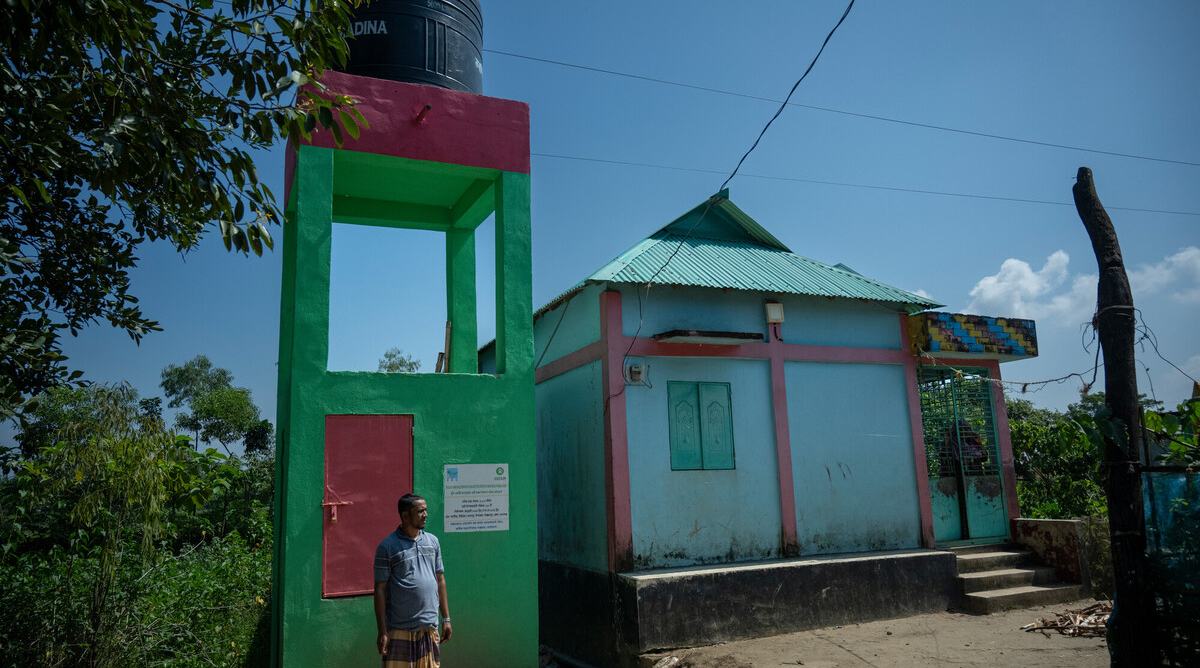
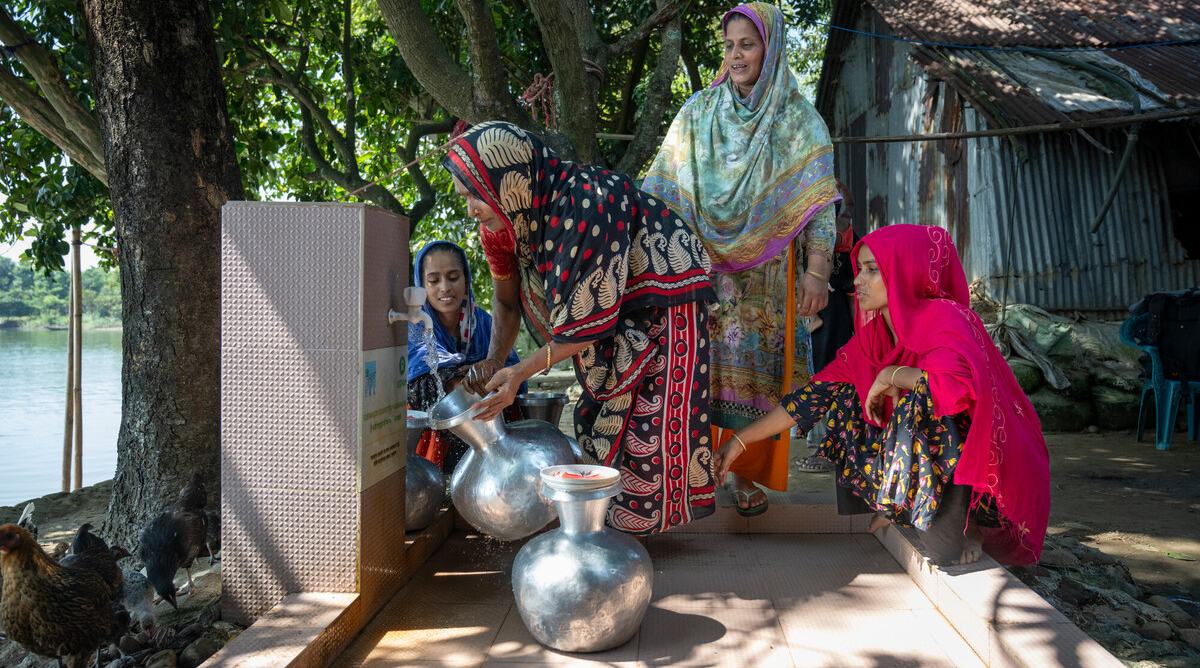
Tap stand water access in Ghagotia village
To address ongoing challenges around access to safe water, we have worked closely with the community to develop a sustainable solution. This project began with a survey of 110 households and active engagement with the union council, women’s WASH groups, and local residents to understand local needs and priorities.
Together with the community, we designed and built a solar-powered water supply system that meets local needs. Water is pumped from underground using solar-powered motors, stored in overhead tanks, and distributed through 11 tap stands located across the village. Powered entirely by renewable energy, the system provides clean, reliable water year-round for around 500 people in Ghagotia, ensuring uninterrupted access even during periods of severe flooding.
Now we have access to water all the time, the children can bathe on time, we can cook and eat properly, and it has greatly improved our health.”
Rafia (pictured on the left) lives in Ghagotia village
Salahuddin Ahmed / Oxfam
Underground toilet network for safer sanitation
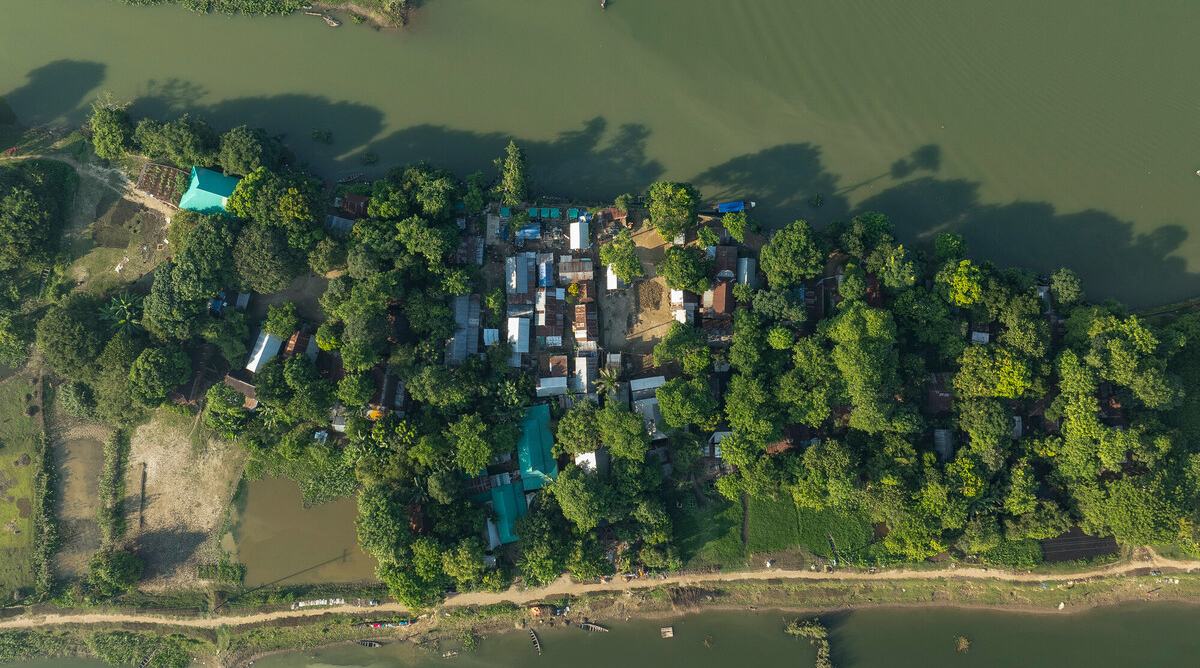
Before 2025, families in Khalachanpur village relied on “hanging toilets” – raised bamboo platforms that discharged waste directly into the river, contaminating local waterways. To create a safer alternative, ten private toilets with secure walls, locks, and hygienic plumbing were built.
The next challenge was sewage disposal. In response, we worked with ERA and introduced an innovative underground plumbing network, linking all ten toilets to a large central septic tank designed to be emptied only once every few years. Developed with the community, this pilot system is now being trialled in Khalachanpur, with the aim of adapting it for other flood-affected villages. Regular community meetings and a dedicated village system manager help ensure its long-term sustainability.
Before the project
Sanitation options were unsafe, especially during the monsoon season, with many communities relying on basic drop toilets or pit latrines that encouraged open defecation.
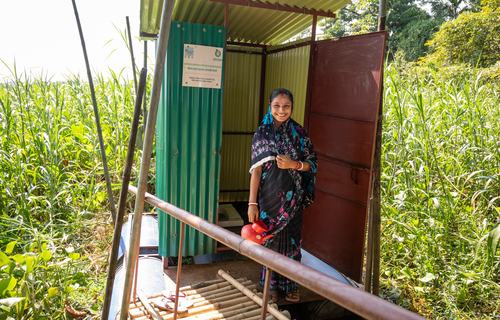
After the installations
Following the project, the floating latrine has become vital during the flood season. Designed to rise with floodwaters, it provides safe, continuous access to sanitation when traditional toilets are submerged. For users like Keya in flood-prone Khalachanpur, it also offers greater privacy and safety.
Water: the bigger picture
do not have access to clean water at home.
under 5, die from diarrhoea caused by dirty water, every day.
lack access to basic facilities like toilets.
Flooding is a constant challenge in parts of Bangladesh, but innovative solutions are making a difference. Floating toilets, solar-powered water systems, and community-led action are improving access to safe water and sanitation all year round. With continued support, solutions like these can reach many more communities that are facing similar challenges.
Oxfam's Summer Appeal
In Cox's Bazar, Bangladesh, ingenious solutions are also supporting communities in a decade-long disaster. More than one million Rohingya people live side by side with host communities in the world's largest refugee camp. But solutions are sprouting in even the smallest spaces. Ingenious vertical gardening means families can grow vegetables across their roofs, up their walls, and over the top of walkways in the tightly packed community.
Salahuddin Ahmed / Oxfam
Food security in crowded camps
One amazing example is the work of a farmer called Tahera (pictured), who lost her home and the plot of land she nurtured in Myanmar. Now, Tahera is growing enough to have a surplus, which she shares with relatives and neighbours who have lost their incomes.
Donate now
Your gift will be used to support Oxfam’s work wherever the need is greatest.