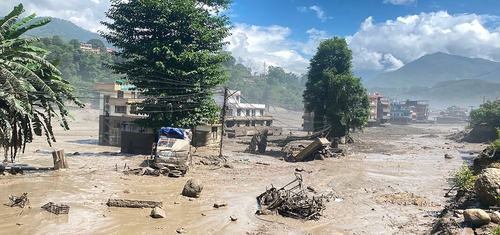
Photo: Azaria Muhongya / Oxfam
What is Oxfam doing to help?
-
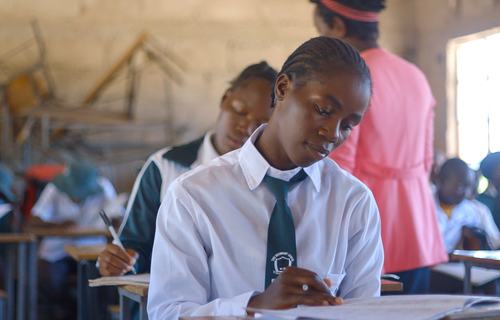
We help people build and equip schools
From bricks and mortar to books and management, helping schools get started is one of the first steps in ending poverty. Oxfam trains teachers, helps lobby local governments to get more children into school, and encourages communities to get girls into education.
-
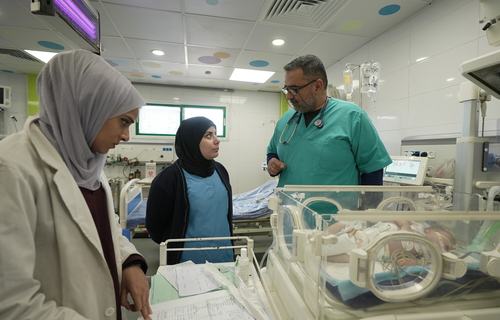
We work to improve standards of health care
Low-cost clinics mean people can get the treatment they need, even in remote communities; while campaigning can bring free healthcare to mothers and children.
-
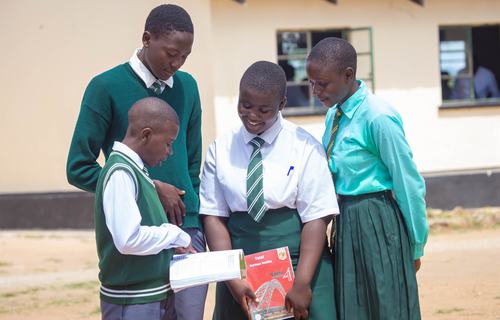
We campaign for health and education for all
We campaign internationally to make cheaper and better medicines available in developing countries. We also work with community leaders to lobby local governments to invest more in vital health services.
Promoting health and education: what we've achieved
-
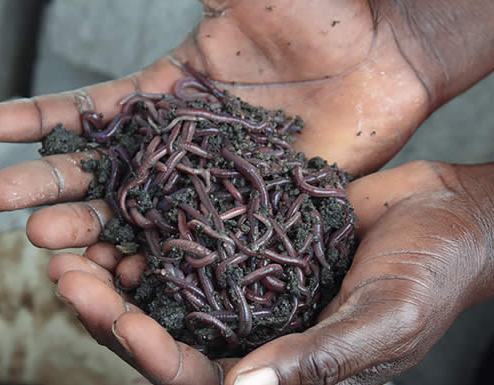
These worms save lives. Oxfam's Tiger Worm Toilets turn waste into fertiliser.
We first started developing our amazing Tiger Worm toilets in 2013. The worms decompose the waste and turn it into clean, safe fertiliser. Which means better sanitation and fewer health problems for poor communities and refugee camps around the world. It's just one of the ingenious ways Oxfam is helping people escape poverty, for good.
-
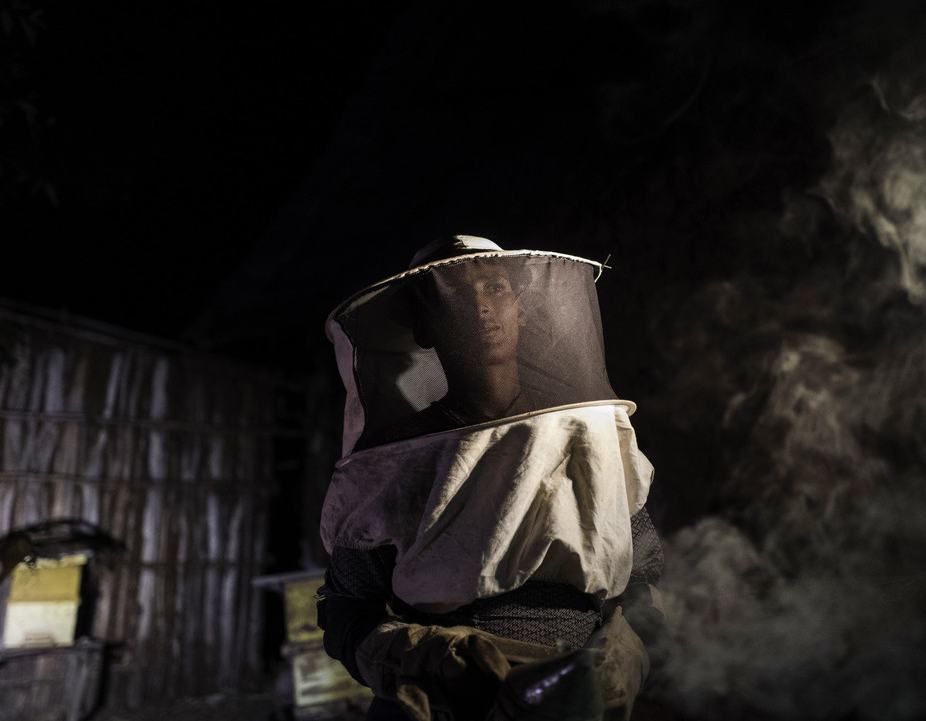
"I want [my children] to succeed. This adult education helped me..."
Our 'Honey Supply Chain Project' includes business training as well as basic reading and writing skills for women like Alem, a beekeeper in Ethiopia. Projects like this demonstrate how women smallholder farmers can get good returns for their work, and take on leadership roles in their communities.
-
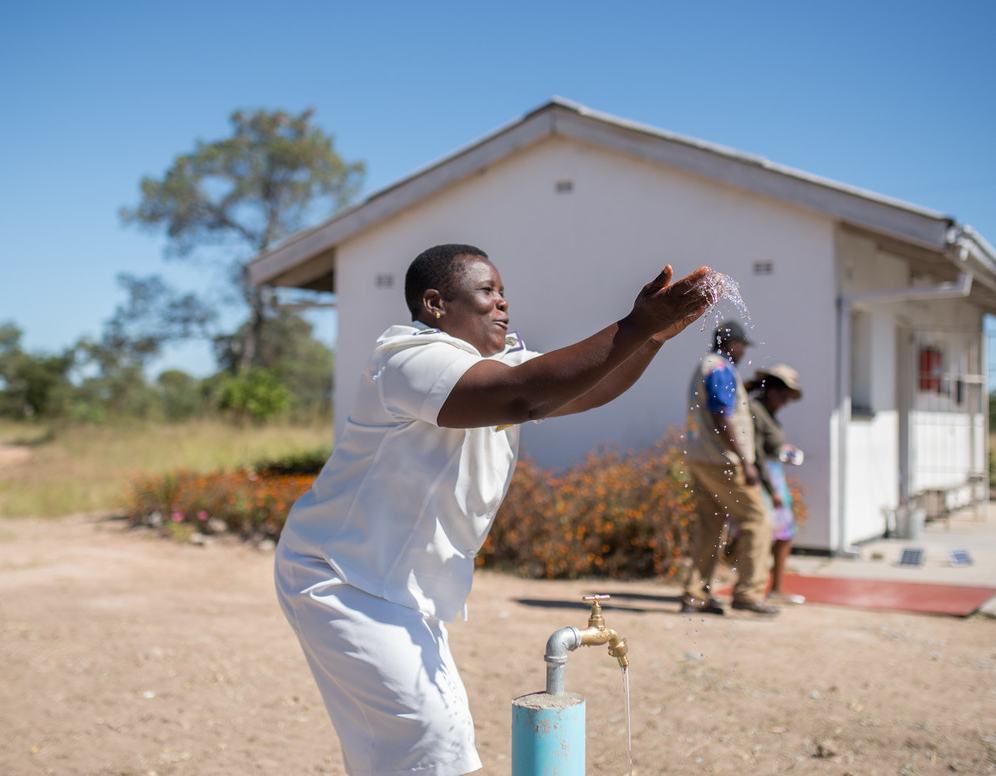
Oxfam provided clean running water for the first time at Nurse Tsitsi's clinic in Zimbabwe
Thanks to Oxfam's solar piped water system, the Somerton Clinic in Masvingo District, Zimbabwe now has access to clean, safe running water. Expectant mothers no longer have to bring their own water to the clinic.
-
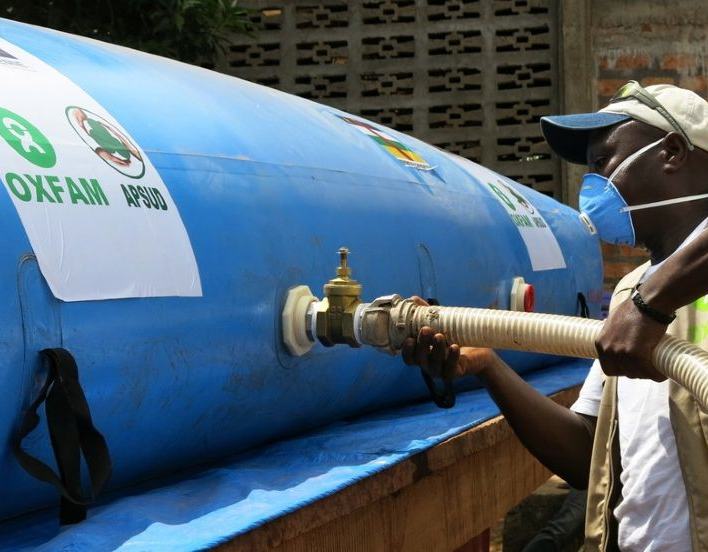
Water for 100,000 people in Central African Republic
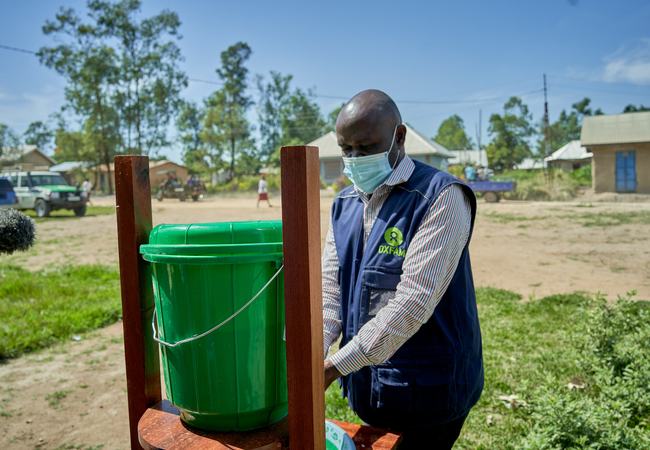
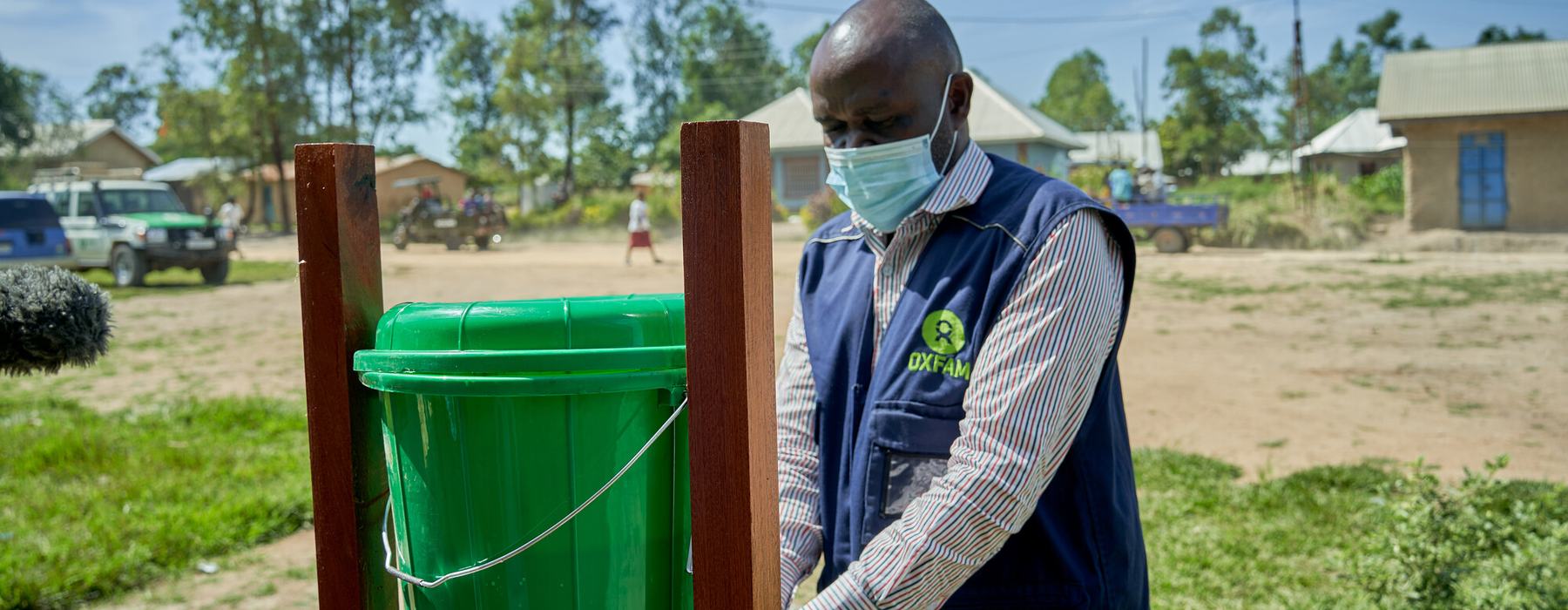
To help stop the spread of the coronavirus, our teams on the field are installing 20 temporary emergency water points in the Central African capital, which will be gradually replaced by 10 permanent boreholes, so that nearly 100,000 people will have access to clean water.