On the brink of famine

Yemen Crisis Appeal

Last updated: 08 October 2026

Families in Yemen urgently need your help. 10 years of terrifying conflict has destroyed lives, livelihoods and forced millions of people to flee their homes. As a result, more than 19 million people depend on aid to survive.

What's happening in Yemen?

The latest situation in Yemen

  • More than 184,000 people have been displaced since August. People have been forced to flee their homes as conflict escalates.
  • Lahj and Taiz have seen the largest population movements. More than 34,000 displaced people are now sheltering in Lahj, with people continuing to arrive after escaping fighting along Yemen's west coast and in parts of Taiz and Hudaydah.
  • Families are fleeing violence with few belongings. In Lahj, shelling, armed clashes and worsening security conditions are forcing people from their homes.
  • Many people need urgent humanitarian support. People are arriving in highly vulnerable conditions and require shelter, food, safe water, hygiene items, healthcare and protection services.
“

According to the World Food Programme, more than 18 million people nationwide face acute food insecurity, and some 2.2 million children under five are acutely malnourished.”

More than a decade of conflict

The decade of conflict has killed over 19,000 people and displaced nearly five million people, disproportionately women and children.

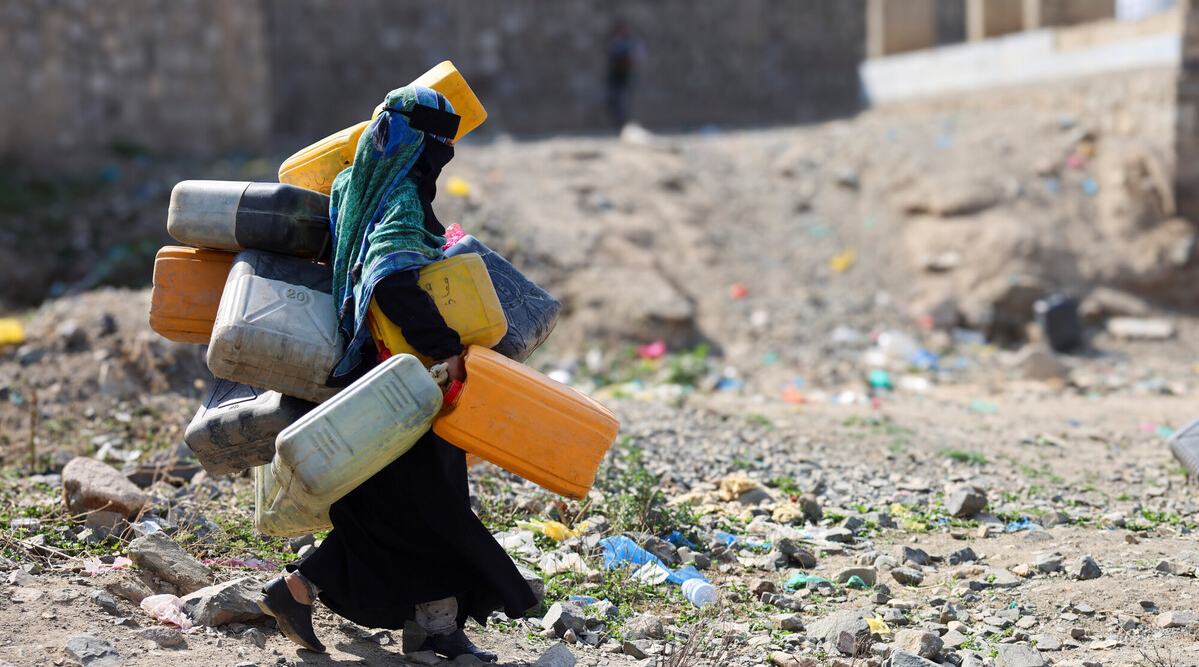
Yemen faces the worst famine the world has seen for decades. Over 19 million people rely on aid to survive, and more than half of those are children.

It is not only the poorest country in the world, but it is one of the world’s biggest humanitarian crises. Millions of people have fled their homes in search of safety. Yeminis face the triple threat of war, disease and hunger.

Much of Yemen’s critical infrastructure has been destroyed – the roads, bridges, markets, hospitals, schools, and private factories that powered Yemen’s economy. Education and healthcare services have been devastated, with millions of people unable to access critical support.

Aid cuts have had a devastating impact, leaving millions without the means to survive and without access to education and health services. Families are facing higher prices and reduced humanitarian assistance.

The country has struggled with cholera since the world’s worst outbreak began five years ago with more than 2.1 million reported cases.

The crisis in numbers

58% of people

are living in tents

81% of people

aren't able to reach a health facility

88% of people

report having no electricity

VFX Aden / Oxfam

These tents are designed to last for six months not for two or three years. Now the tents are damaged and the cold penetrates. The children got sick. It was an indescribable situation.”

Khalid and his daughters in Ammar bin Yasser camp, Yemen.

How is Oxfam responding in Yemen?

Together with our partners, Oxfam has supported over 7,000 people so far with safe, clean water, cash assistance, food vouchers and livelihood support.

Recently, Oxfam provided multi-purpose cash assistance to more than 1,000 households, while emergency water, sanitation and hygiene (WASH) support is being mobilised rapidly. This life-saving support includes new water points, family latrines, hygiene promotion and the distribution of hygiene kits.

Our partners have also rehabilitated water systems in rural communities across western Yemen, helping hundreds of thousands of vulnerable people access safe drinking water and reducing the risk of diseases such as cholera.

We are creating cash-for-work opportunities for women and supporting households with livelihood cash grants to strengthen economic resilience.

But humanitarian aid alone is not enough. The Yemeni people are asking for peace, so they can rebuild their lives and live without the fear and devastation caused by war.

How we spend your donation

For every £1 you donate to this emergency appeal, we will allocate 9p of your donation to cover general support and running costs.

There is a small chance that we will raise more money than is needed for this appeal. If this happens, we'll spend any additional funds on other Oxfam projects – wherever the need is greatest.