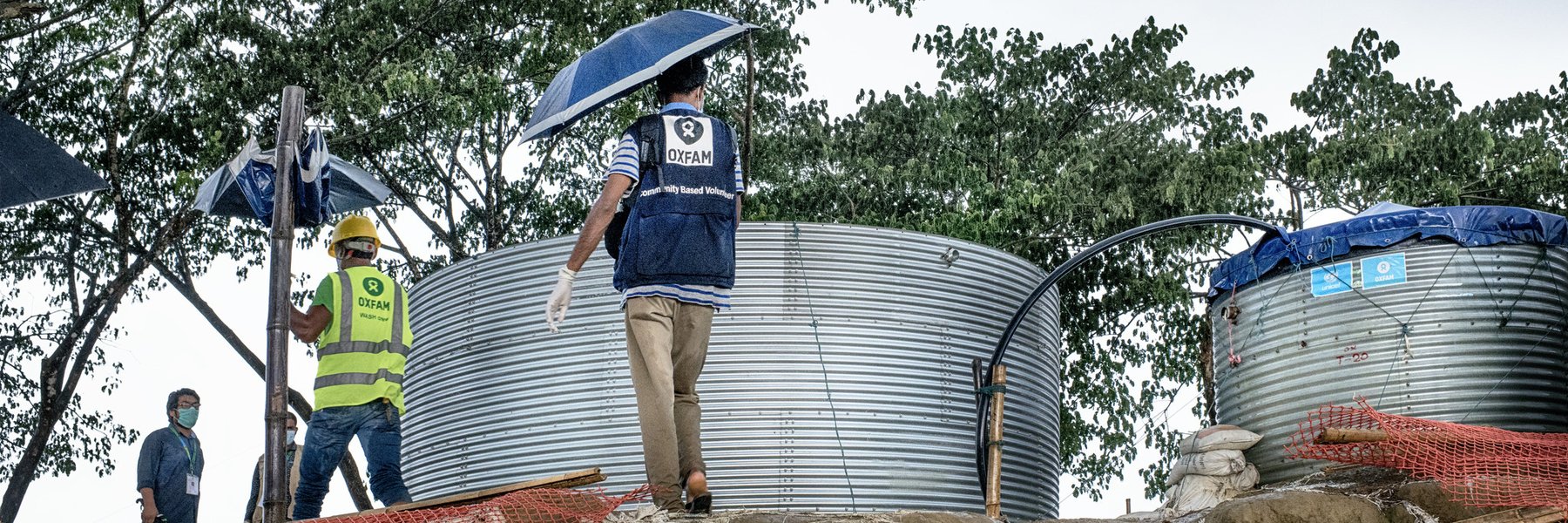
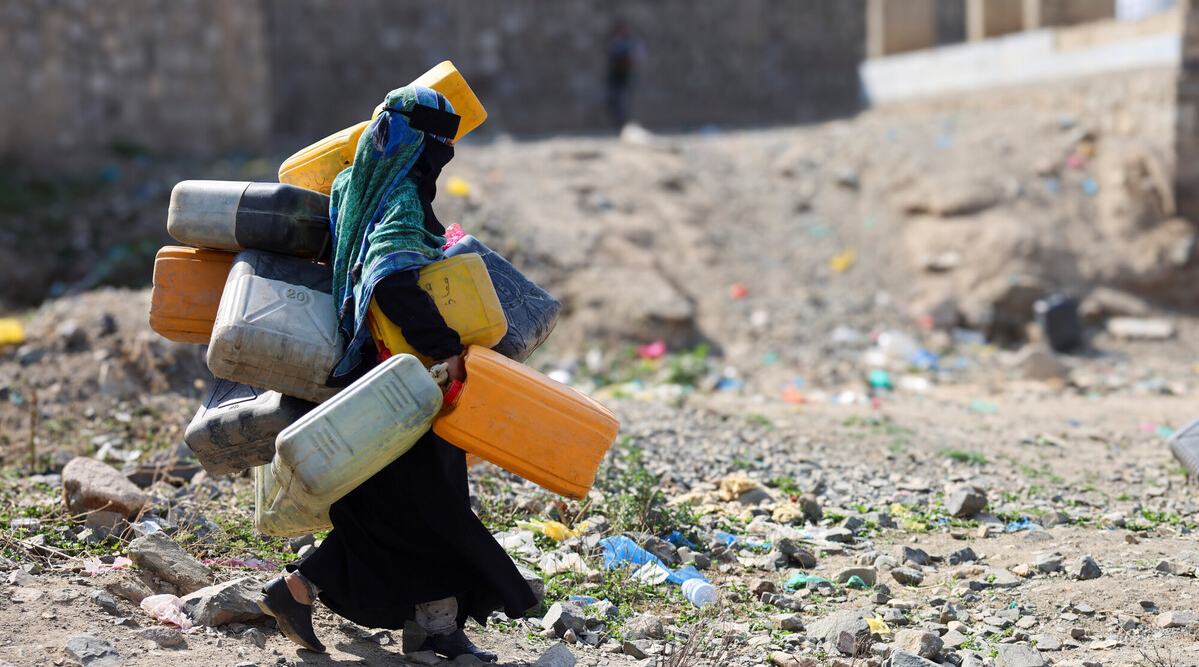
Photo: Ahmed Albasha/Oxfam
Emergencies
We help people caught up in disasters and conflicts across the world, giving life-saving support to those most in need and helping people rebuild their communities.
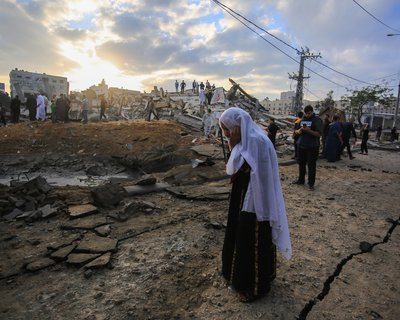
What's happening in Gaza and Palestine?
The situation in Gaza and Palestine is fast-moving and at times confusing. Here's what's happening, and what you can do to help.
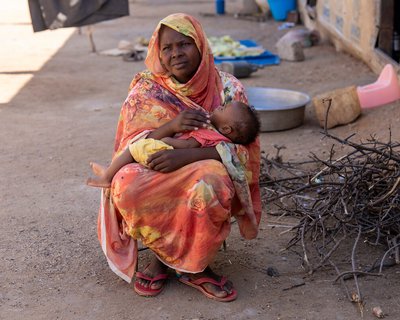
What's happening in Sudan?
Nearly 21 million people face violence and hunger in the world's largest humanitarian crisis.
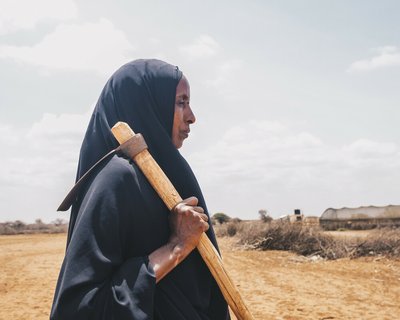
What's happening in East Africa?
More than 28 million people across South Sudan, Ethiopia, Somalia and Kenya are fighting for their lives. It’s the worst hunger crisis in living memory.
Donate to emergencies
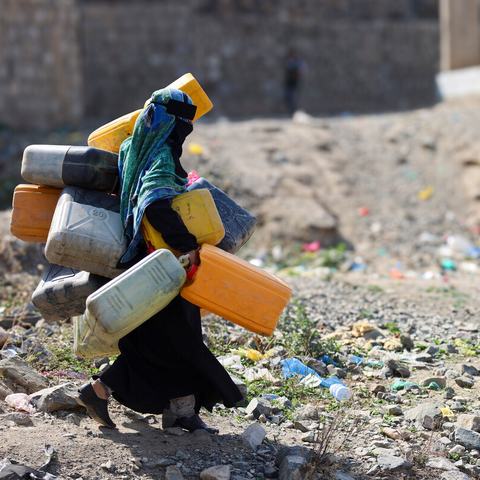
Years of war and conflict in Yemen has left widespread cholera and emergency numbers of people in need of clean water and other basics.
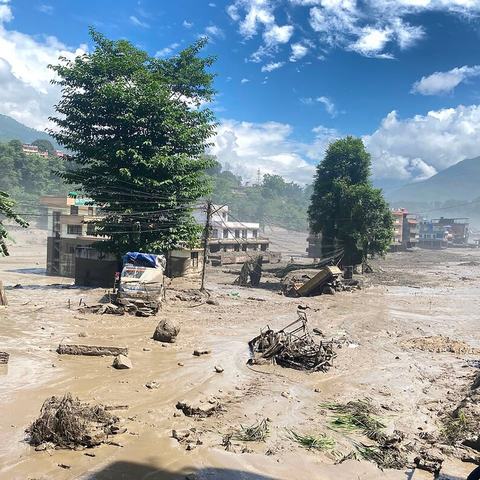
Donate now to help survivors in Nepal affected by August's devastating flash floods.
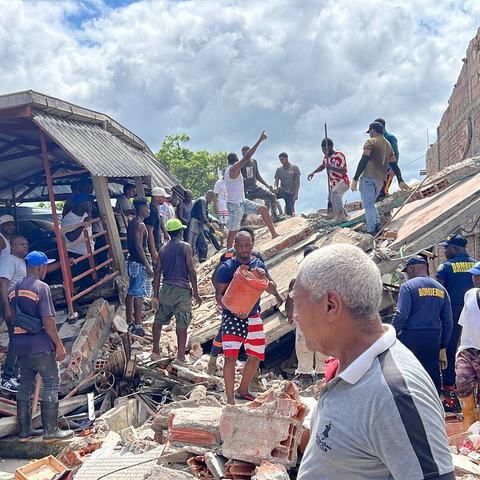
On 10th August 2026, a powerful 7.4 magnitude earthquake hit the Chocó region in Colombia causing buildings to collapse, the loss of life and thousands injured.
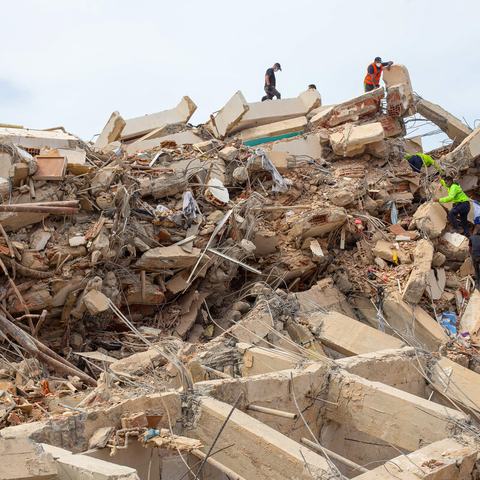
Two powerful earthquakes struck Venezuela in June 2026, causing widespread damage and loss of life. Donate to the Venezuela Earthquake Appeal to help provide vital support.
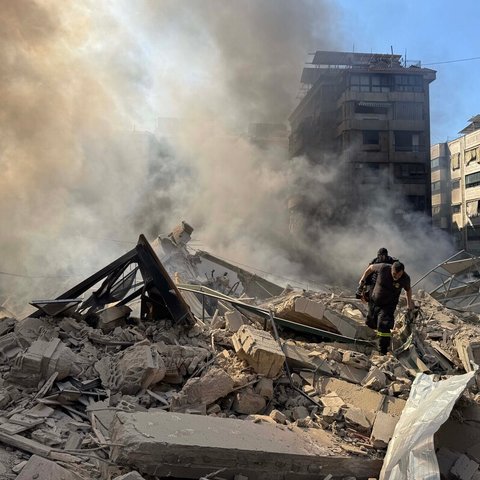
Millions of people across Lebanon and the wider Middle East region urgently need food, water, shelter and medical care.
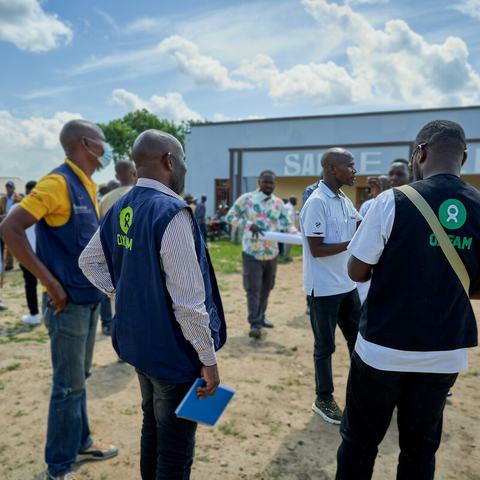
An Ebola outbreak has been declared amid ongoing conflict in the DRC. Donate to Oxfam to help provide essential healthcare services and support to those in need.
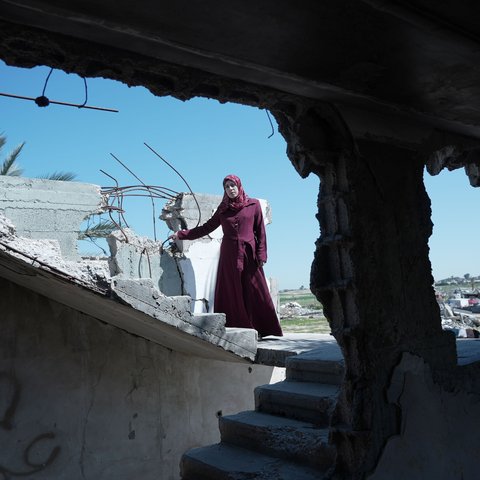
Despite a fragile ceasefire, people in Gaza are still struggling to access food, water, medicine, and shelter. Please donate now to help restore Palestinian rights and rebuild lives.
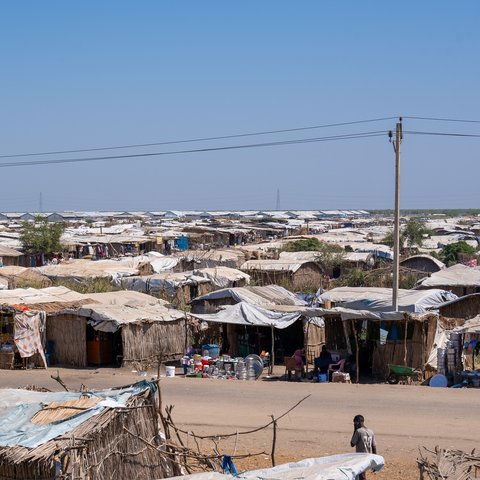
Donate to our Sudan Regional Crisis Appeal. Your donation can help Oxfam and local partners reach thousands of families with clean water, food and basic essentials.

Millions of people in East Africa countries South Sudan, Ethiopia, Somalia and Kenya are facing extreme hunger – many on the brink of famine. This tragedy can be averted if we act now.
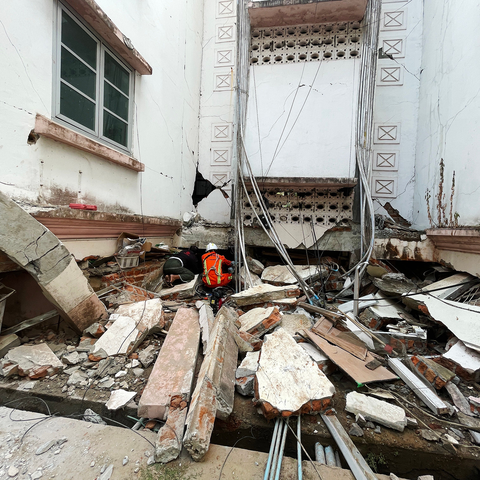
In March 2025, a powerful 7.7 magnitude earthquake hit central Myanmar with effects felt in neighbouring Thailand and China.

Droughts caused by The El Nino (climate pattern) have led to a food crisis in Southern Africa. Oxfam in Southern Africa are responding with partners and local networks. Please donate what you can today.

Homes, farms and infrastructure were swept away in devasting floods and lives were lost. You can support people in crisis by donating to Oxfam's Emergency Response Fund.