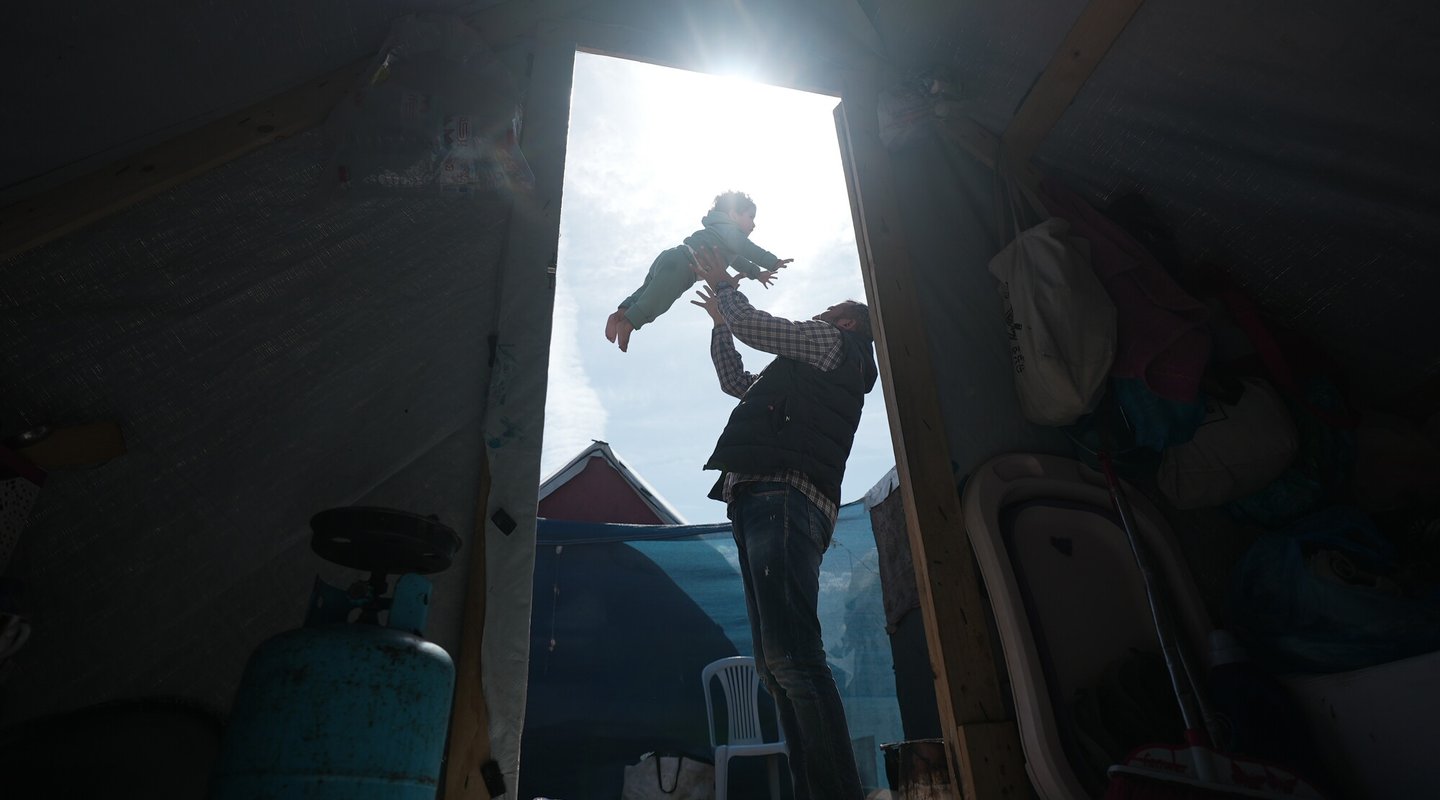
A father playfully throws his 3-year-old daughter in the air, outside the entrance to their tent in Gaza.

Fedaa and his 3-year-old daughter by their tent in Rafah. Fedaa lost his house and factory to the destruction in Gaza. Image: Alef Multimedia/Oxfam.

What’s happening in Gaza and Palestine?

The situation in Gaza is fast-moving and at times confusing. Here's what's happening, and what you can do to help.

Last updated: 14 May 2026

Latest updates from Gaza

  • The ‘ceasefire’ in Gaza is nothing of the sort. Hundreds of Palestinians have been killed since the latest ceasefire agreement began in October 2025.
  • Civilians in Gaza continue to face the horrors of a genocide. Indiscriminate attacks on homes, schools, hospitals, and refugee camps continue by the Israeli military. And life-saving aid is still being blocked.
  • The Israeli government has introduced punitive registration requirements that attempt to limit humanitarian organisations from operating in Gaza. Meanwhile people are still struggling to access basics like food, water, medicine and shelter.

Our staff and partners continue to deliver life-saving support in Gaza, despite the Israeli government’s systematic obstruction of aid.

Please donate now to help restore Palestinian rights and rebuild lives.

Donate to Gaza

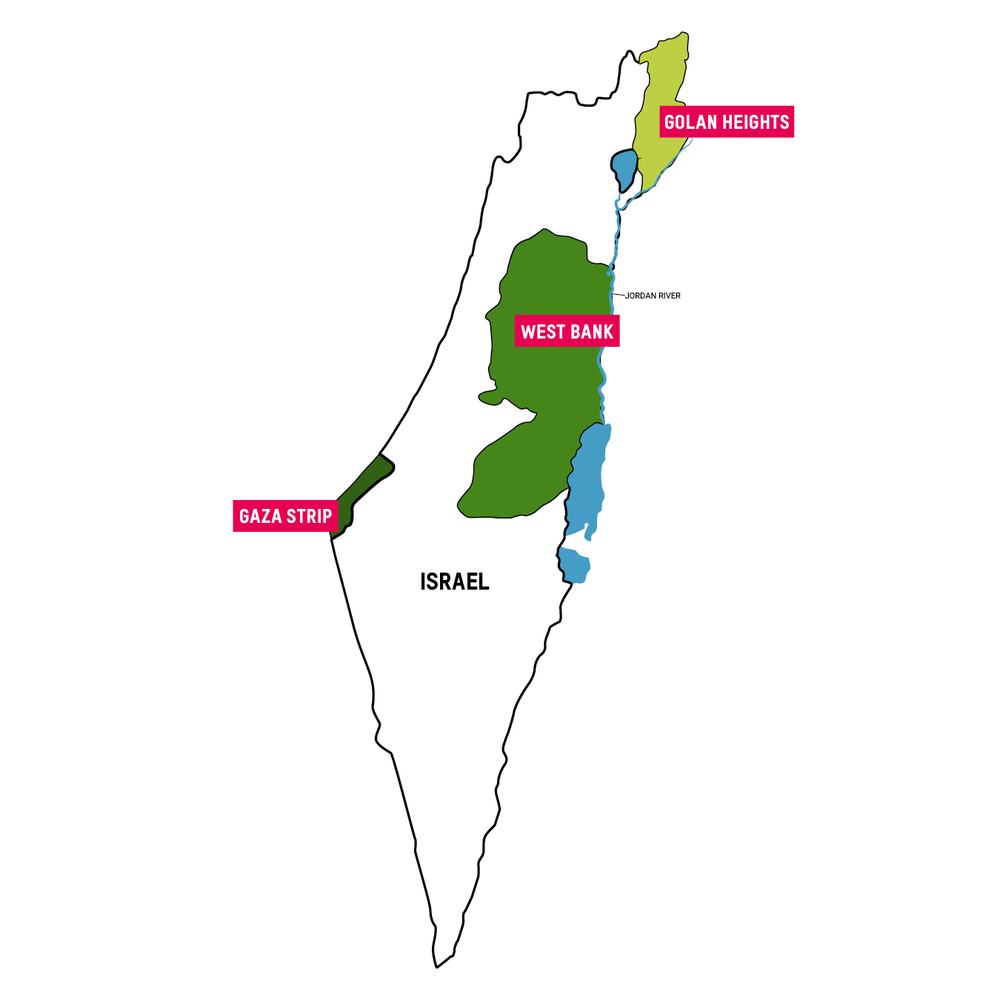
Where is Gaza?

Gaza is part of the occupied Palestinian territory, on the coast of the Mediterranean Sea.

It is roughly the same size as the Isle of Wight, and is home to around 2.1 million Palestinians.

After the six-day war in 1967, Israel occupied Gaza, the West Bank, including East Jerusalem, and additionally the Syrian Golan and Shebaa Farms. All remain under Israel's unlawful military occupation.

What's it like living in Gaza?

In addition to the decades-long occupation, Gaza has also been under Israeli blockade since 2007. This means the Israeli government controls all sea, air and land access to Gaza.

Under international law, Israel, as the occupying power, is obliged to ensure the basic needs, safety, and welfare of the Palestinian population in occupied territory. This includes providing essential supplies like food, water, medical supplies, and shelter.

Yet, the Israeli government is committing genocide against Palestinians in Gaza, who still face systematic violence and destruction, mass forced displacement, the blockade of life-saving aid, and the denial of their right to lead their own recovery and determine their future.

Alef Multimedia/Oxfam

Hiba is a mother of four and a workshop facilitator for displaced women in Gaza.

In the midst of war, she led sessions on International Humanitarian Law through the Together We Rise project, while wrestling with a painful question: “International law is not applied in real life, how do I explain it to women when in reality it doesn't protect us?"

How many people have died in Gaza?

  • The Israeli military has killed over 72,000 Palestinians in Gaza during this crisis, including over 20,000 children.
  • Some estimates suggest that the Gaza death toll is much higher than the reported figures.
  • Thousands of people are reportedly missing under the rubble.
  • Around 4,000 to 4,500 children are estimated to have lost limbs due to the ongoing crisis. This constitutes the largest cohort of amputee children in modern history, with over 10 children losing one or both legs daily.

Can aid get into Gaza?

The Israeli government has implemented a number of policies to systematically destroy aid infrastructure and response in Gaza, including:

Despite these huge obstacles, our colleagues and partners are working relentlessly to support people in their communities, often risking their lives.

Since October 2023 our teams and partners have reached over 1.3 million people with life-saving aid.

Donate to Gaza

How much food is getting into Gaza?

The Israeli government has been using starvation as a weapon of war against Palestinians in Gaza.

  • Man-made famine has hit areas of Gaza, and children have died from malnutrition.
  • Crops, farms and fishing fleets have been destroyed.
  • Many livestock have died of starvation.
  • The price of food has increased dramatically. More than half the households in Gaza have been forced to sell their clothes to afford food.

How much clean water is available in Gaza?

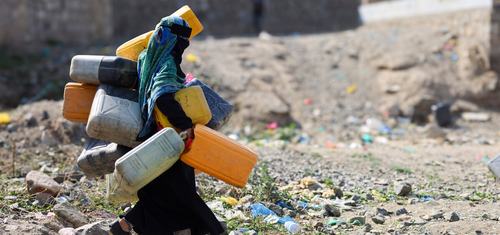
Over 2 million people are currently struggling to survive without access to clean water. The Israeli government has used water as a weapon of war in Gaza.

  • Almost 90% of water and sanitation infrastructure has been damaged or destroyed by the Israeli military, including Oxfam and partner infrastructure.
  • This is having a dire impact on health. People are falling severely ill from easily preventable diseases like diarrhoea and jaundice.

Are there any hospitals left in Gaza?

The health system has been decimated across Gaza.

  • All hospitals have been damaged. The small number of hospitals that are partly operational are struggling to cope with the number of casualties and are critically low on supplies.
  • Over 1,700 health workers have been killed by the Israeli military.
  • Those most at risk are people with disabilities, pregnant women or new mothers, those recovering from injuries, and people with chronic illnesses or weakened immune systems.

Where are people living in Gaza?

  • Israeli military airstrikes and bombardment have forced nearly 2 million people – over 90% of the population – to flee their homes.
  • Over 90% of residential buildings have been destroyed or damaged.
  • People are sheltering in overcrowded schools, mosques, tents, and makeshift shelters – without power and with limited access to water, food, hygiene, and health services.
  • Mice and rats are infesting camps, attacking children and spreading disease.

What needs to happen now?

Palestinians and Israelis need and deserve a lasting peace, with justice and accountability.

The International Court of Justice (ICJ) ruled in 2024 that states must not aid or assist Israel in its unlawful occupation of Palestinian territory.

Our government must act beyond the symbolic recognition of Palestine and towards true, meaningful statehood for Palestinians: full self-determination, economic sovereignty and an end to brutal occupation.

This means complying with international law and using its influence and leverage with the Israeli government, including ending all arms sales and military support to Israel.

Additionally, the government must continue to push for a permanent and meaningful ceasefire, and unimpeded humanitarian access in Gaza so aid can reach people in desperate need.

Photo credit: Andy Aitchison / Oxfam

Join the Red Line for Palestine

Day after day we have watched atrocities in Palestine unfold on our screens, as the Israeli government crosses red line after red line with impunity.

Yet, the UK government remains complicit by its continued military, economic and diplomatic support of Israel.

We must continue to call for accountability, justice and peace. Now is the time to fight for a fair and just future for Palestine.

Join the campaign

What is Oxfam doing in Gaza?

Oxfam has worked in the occupied Palestinian territory and Israel since the 1950s.

We have supported communities in Gaza, the West Bank and East Jerusalem, to tackle the root causes of conflict, build resilience, and protect people’s rights.

Oxfam staff and our partners have worked under unimaginable conditions to deliver life-saving aid in Gaza.

Despite huge obstacles we’ve managed to reach more than 1.3 million people with essential support since October 2023. This includes emergency food parcels, cash and vouchers, clean water and sanitation, protection services, and psychosocial support.

But these efforts, while vital, have been a fraction of what is needed and what we are capable of delivering.

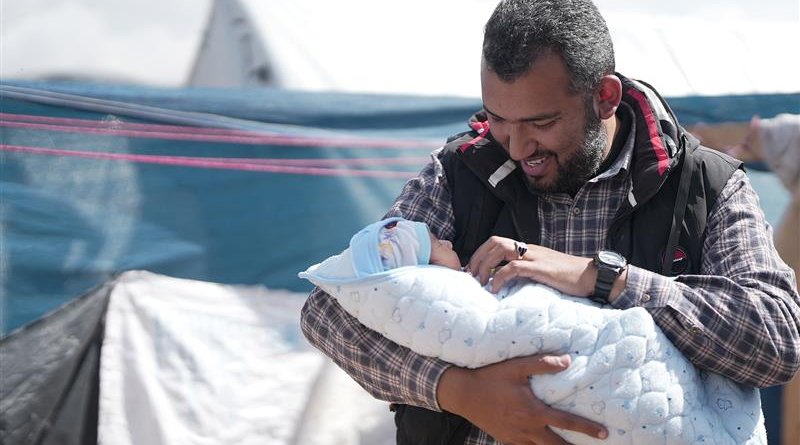
Fedaa  is smiling warmly while holding a newborn baby wrapped in a light blue blanket with a subtle pattern. The baby is also wearing a small blue cap. The background consists of a refugee or

Credit: Alef Multimedia/Oxfam

Donate to the Gaza Crisis Appeal

* Funds raised from this appeal will support people in Gaza, and may also be used to support communities in the West Bank and Lebanon.