
Poverty in the UK

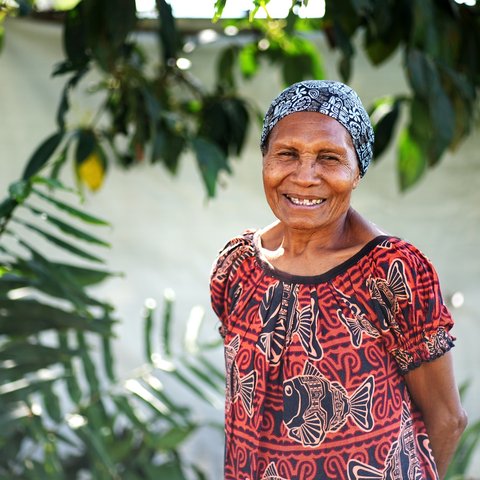
Caroline Mockford who has taken part in Oxfam programmes. [Photo credit: Andy Hall]

In the UK over 13 million of us live in poverty. That’s one in five without enough to live on. One in five discriminated against and stereotyped. One in five forgotten by the government with far fewer opportunities than the rest.

Take Caroline (pictured above). Caroline has Crohn’s Disease, a chronic inflammatory condition, which forced her to give up working. Depressed and struggling to cope, she would rarely leave her house. Oxfam is supporting people like Caroline to overcome their difficulties, learn new skills and find new opportunities. Caroline is now campaigning for change in the community: “The more I do, the more confidence I get!”

Poverty in the UK isn’t about disease, drought or war. But it’s every bit as real. Here are some of the issues and examples of what Oxfam is doing about it.

The benefits myth

Whether it’s in the national press or in the local pub, people living on benefits are often seen as scroungers and freeloaders. But the reality is children throughout the UK going to school hungry. It’s pensioners going without heating in winter. It’s people trapped by circumstances beyond their control. It’s poverty that takes away the choices and opportunities most of us can take for granted.

The UK benefits system is outdated and inflexible. Designed in the 1960s, it’s not able to cope with the temporary contracts and part-time jobs of today’s workplace. Often the amount of support offered is too low, leaving many people struggling to get by. The government can and must change things for the better to ensure people get the support they need when they need it.

Recession poverty: Getting the government to take notice

Oxfam’s Close to Home report called on the UK government to take action to help those most affected by the recession – the UK’s poorest people. The launch of this paper generated press coverage on a national level, and sparked a debate across radio, TV and online about the realities of UK poverty.

People with jobs are poor too

You’d be forgiven for thinking a decent job is a sure route out of poverty. But there are hundreds and thousands of people in paid work – many of them women – struggling to get by on low incomes. Care workers, classroom assistants, cleaners. People who make a huge contribution to society. Who deserve dignity and respect, but end up juggling two or three jobs just to make ends meet.

At Oxfam, this seems pretty unfair to us. And we're working hard for change.

Speaking out

In Stockton-upon-Tees, Oxfam is working with Thrive Thornaby, a community project that brings local people together to speak out about the issues they face. They’ve even produced a toolkit to help other communities learn from their success and start similar projects for themselves.

Migrant workers

You’re promised a decent job in the UK. You arrive to discover it’s anything but. Exploited by an employer who controls your accommodation, your rent and your cash-in-hand pay packet. Trapped with no way out. This is the story of thousands of migrant workers in the UK.

As well as helping migrant workers to understand their rights, we support workshops that offer practical advice to women seeking asylum. In Cardiff, drop-in sessions run by local volunteers offer women who’ve fled war or violence the chance to make new friends and sort out the problems they face.

Oxfam's Turning the Tide report looks at the exploitation faced by migrant workers working for gangmasters in the UK, and calls for the strengthening of the Gangmasters Licensing Authority.

The bigger picture

We’ve been working to end poverty in the UK since 1996. Today, together with our partners, Oxfam is: