Digital collage featuring climate activists Jessy and Isaac created for Oxfam by Nigerian visual artist Alexis Chivir-Ter Tsegba.
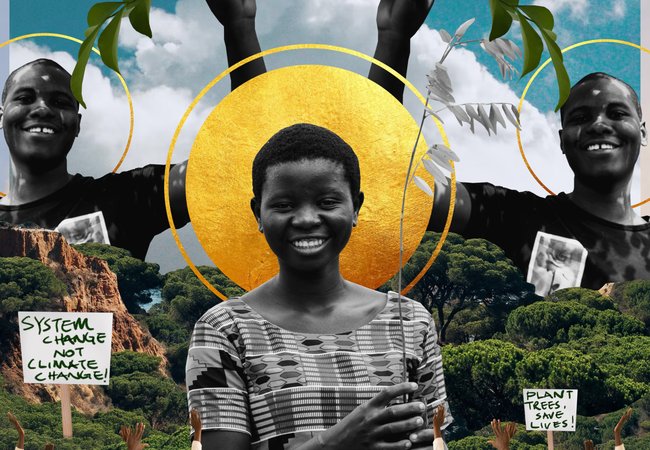
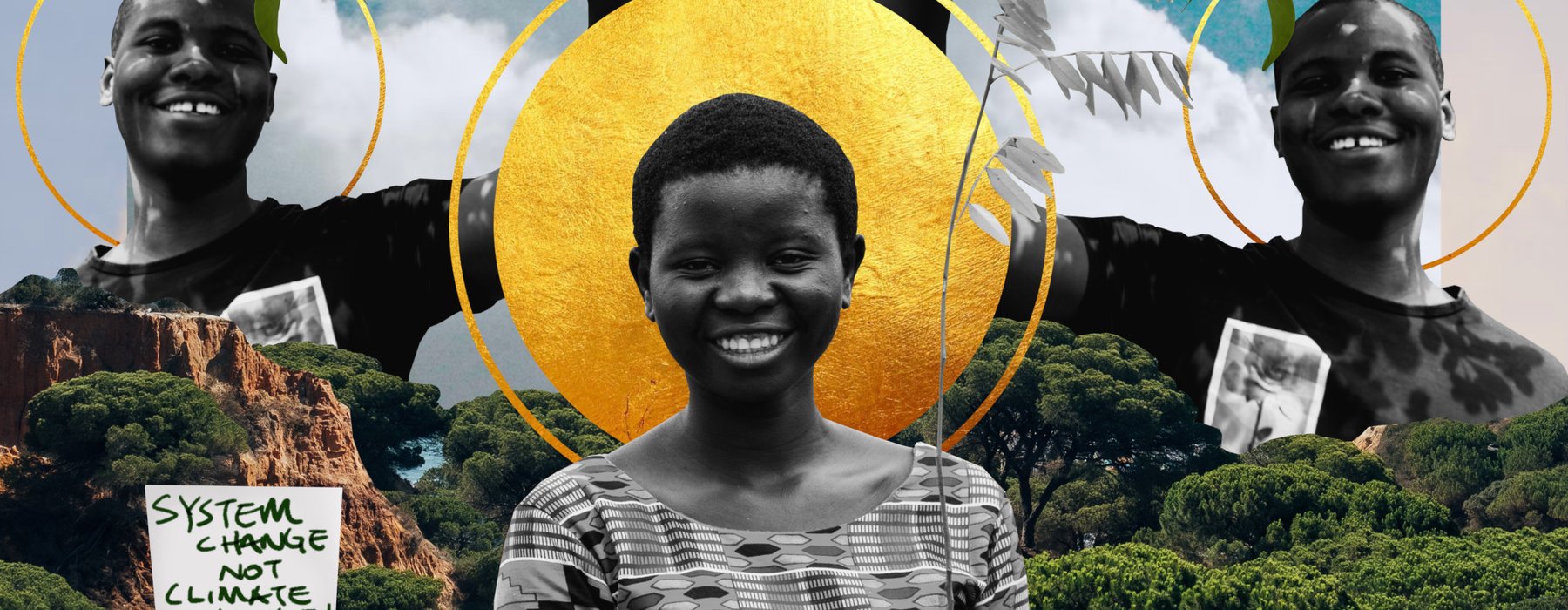
Communities calling for system change not climate change
-

Community led response to climate change
“We expect that things will be good for us in future. It will be better. “ Tikeshwori Malla is part of a women’s groups that helps smallholder farmers deal with the impacts of climate change in Doti district, Nepal.
-

Communities are adapting to climate change, today and tomorrow
"I personally believe it is a win for the community." Ali Shire Omar is growing food in Somalia with support from Oxfam.
-

Together we are holding the most powerful to account over climate change
"The change we need in our world begins with you and me, I feel like if I contribute the little I can, someone else will take the step and continue." Nimotallahi Lawal, a volunteer at the caravan climate change walk in Nigeria.
The front page Image: Max van Woerkom/ Oxfam
Ever wondered how inequality and the climate crisis cross over with each other?
2023: The richest 1% emit as much planet-heating pollution as two-thirds of humanity.
2024: Billionaires emit more carbon pollution in under 3 hours than the average Brit does in a lifetime.
2025: The UK's super-rich are polluting 56 times more than those on the lowest incomes.
What are the effects of climate change?
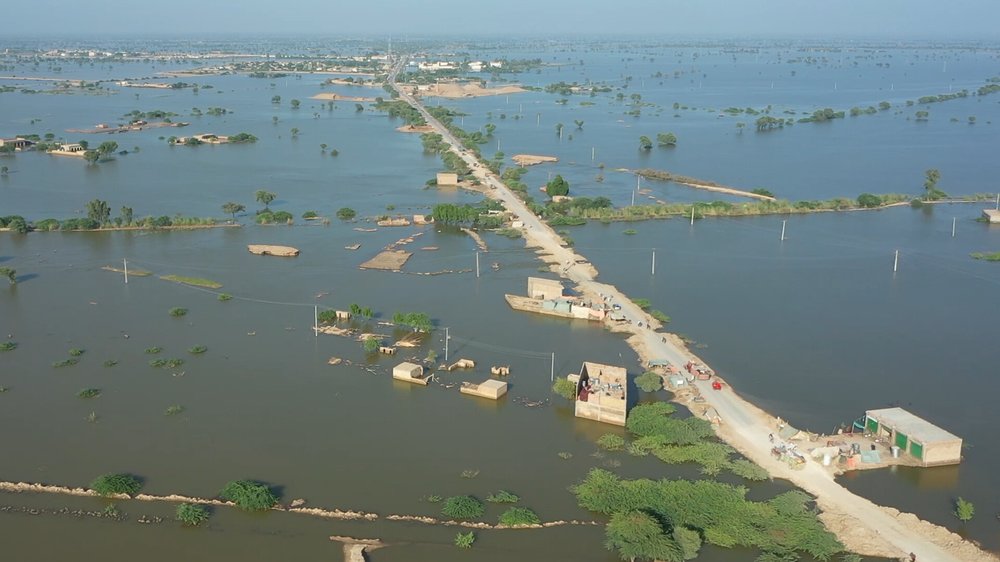
A view from above of flooding in Balochistan in Pakistan. Image: Arif Shah/Oxfam
How can we respond to climate change together?
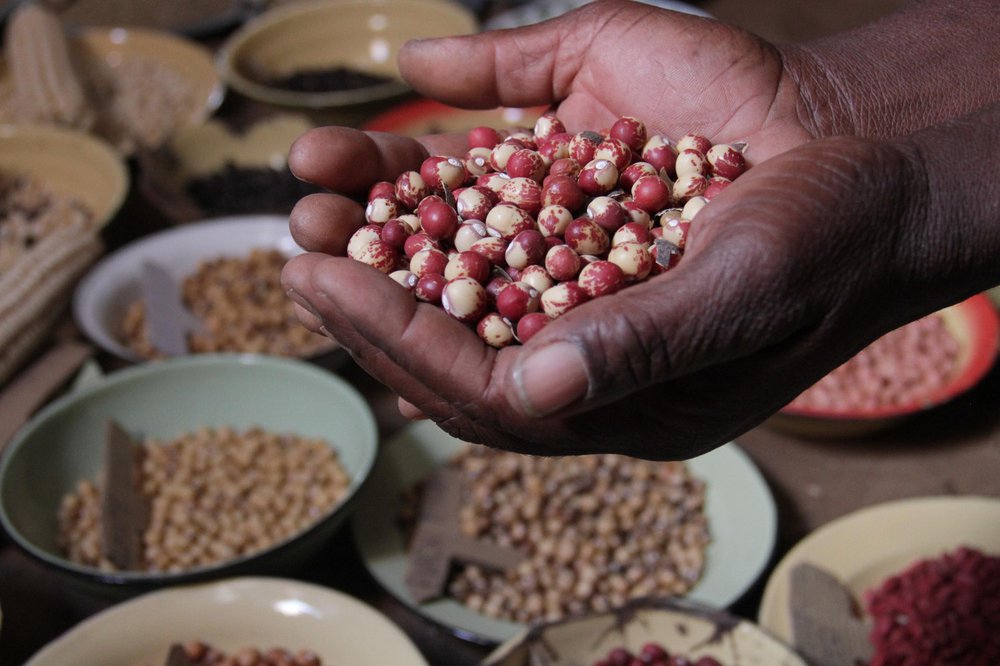
Seeds at a seedbank in Zimbabwe. Image: Shepherd Tozvireva/ Oxfam Novib
How do we call for climate action together?
Image: based on photos by Emmanuel Museruka/Oxfam, Fadrach Nirere/Fridays For Future Uganda, AlessandroBiasciolo/Shutterstock, Leslie Searles/Oxfam, Rob Rickman/Oxfam
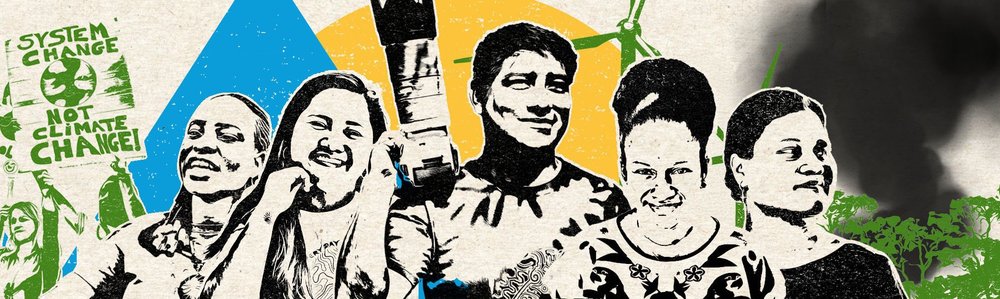
Image: Rob Rickman/Oxfam
With the Make the Polluter Pay campaign – I hope to be able to hold rich, industrialised countries and companies accountable... to see funds flow to frontline communities so they can reshape their present and future.”
Lagi Seru, a climate activist based in Fiji and co-founder of the Alliance for Future Generations.
The right to a fairer, liveable future
Irrigation for the future
In Zimbabwe, the changing climate means farmers' crops are threatened by floods and droughts.
In Nyanyadzi, Oxfam and its partners have helped the farmers build gabions, which act as silt traps, to restore the irrigation system and protect their harvest.
How your donations have helped support people impacted by climate change
Khadija Farah/Oxfam
The drought has ravaged the lives of many people... we have lost almost all our livestock that was the backbone of each and every community living here.”
Sowda, near Wajir, Kenya
A Changing Climate
of global emissions are produced by Kenya, Ethiopia, Somalia and South Sudan.
The richest 10 percent of the world's population accounted for over half of the emissions added to the atmosphere between 1990 and 2015.
The money needed to help people affected by extreme weather-related emergencies like floods or drought is eight times higher than 20 years ago.
Climate change statistics sources
Climate Justice charity gifts
Extreme weather destroys homes and lives, often hitting hardest those least responsible for the climate crisis. Oxfam's Climate Justice work helps communities handle sudden impacts of climate change, push for fairness, and create a clean, renewable energy system for future generations.
“Over-relying on planting trees and as-yet-unproven technology instead of genuinely shifting away from fossil fuel-dependent economies is a dangerous folly. We are already seeing the devastating consequences of climate delay.”
Nafkote Dabi, Climate Change Lead, Oxfam International
Fighting for climate justice
-
An early signal on climate change
Oxfam publishes Weather Alert! - a report establishing a connection between unusual weather patterns and the negative impacts of a hidden climate crisis on the world’s poorest people.
-
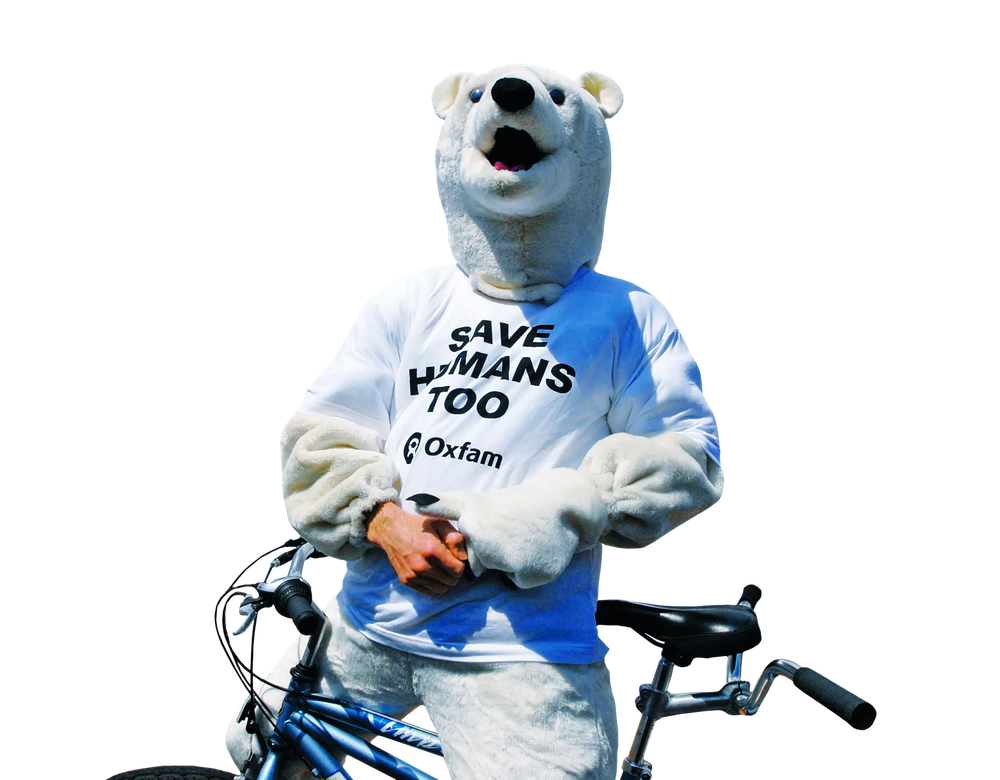
People and polar bears
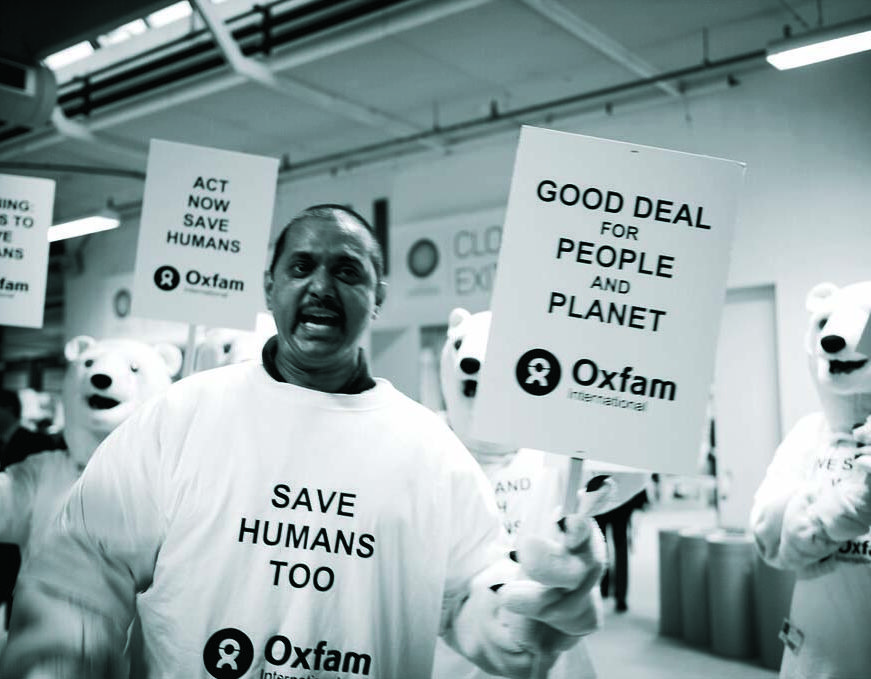
Oxfam campaigners from around the world come together at the United Nations Climate Change Conference in Bali. Dressed as polar bears and carrying ‘Save the humans’ placards, they highlight the impact of climate change on humans as well as the natural world.
-
Global Climate Hearings
In the run up to climate conference COP15 in Copenhagen, Oxfam convenes ‘climate hearings’ where people from around the world come together to testify to the impact of climate change on their lives. Thousands of people participate globally, sending a unified, urgent message on climate change to the world.
-

Challenging food companies
Together with farmers, consumers and investors, Oxfam launches the Behind the Brands/ Behind the Barcodes campaign, calling on the world’s biggest food producers to cut emissions. 238,000 people support the campaign and Kellogg's and General Mills commit to significant reductions. Other food production companies follow.
-
Funding for Climate Adaptation
Oxfam plays a key role in securing a commitment for 50% of the Green Climate Fund to be allocated to much-needed climate adaptation. The UK is the first country in the world to commit 50% of its climate finance to adaptation.
-
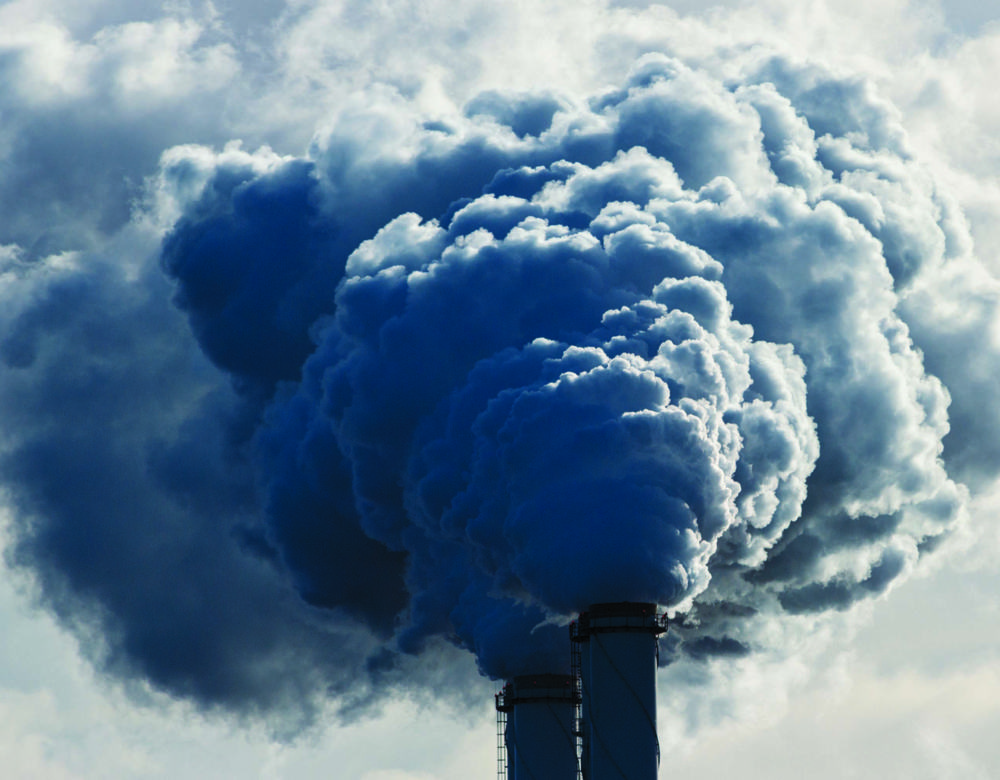
Calling time on coal
Oxfam's campaigning helps secure the UK’s commitment to phase out coal by 2025 and the historic decision by the European Investment Bank to end all fossil fuel lending.
-
Thousands march during COP26 in Glasgow
During COP26 in Glasgow, hundreds of thousands of people marched through cities, signed petitions, and took action, to persuade world leaders that we must prevent catastrophic global temperature rise, now.
-
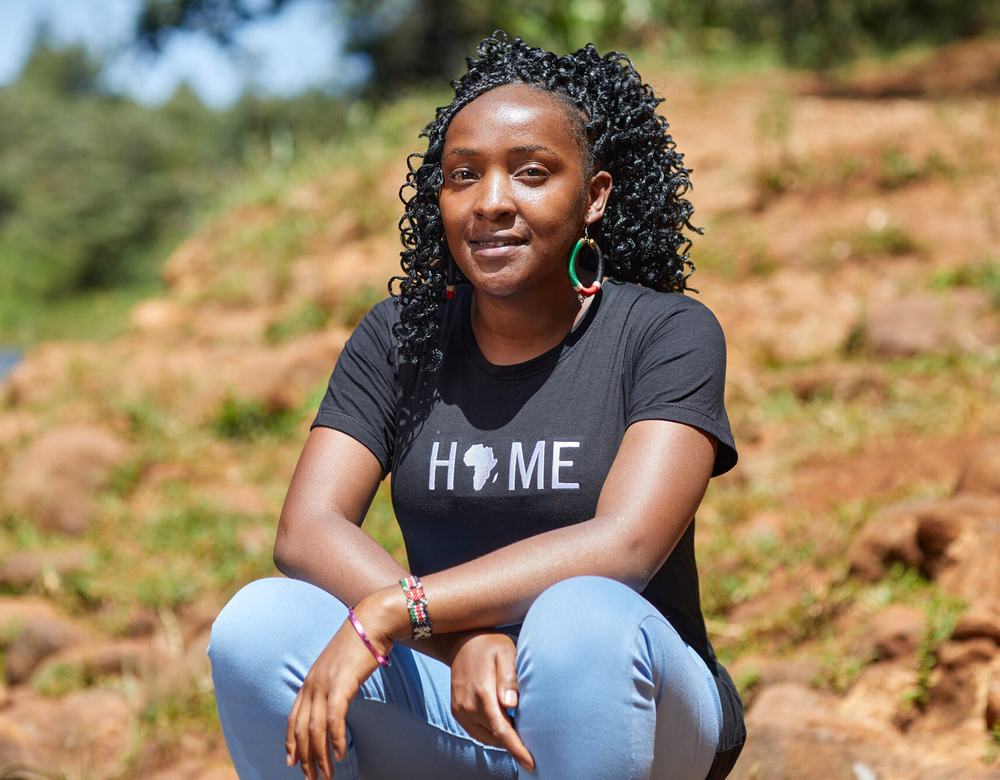
Calling for a Loss & Damage fund
Elizabeth Wathuti and Oxfam campaign together to call for a Loss & Damage fund.