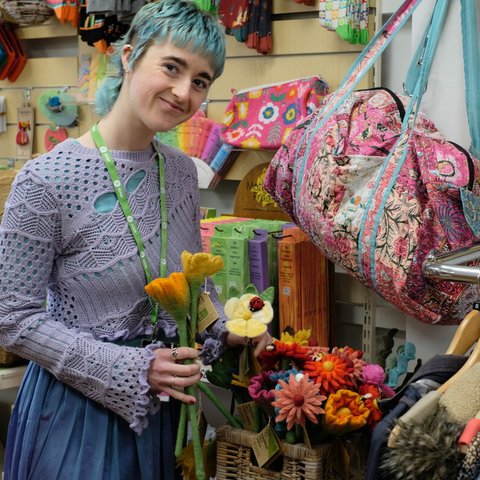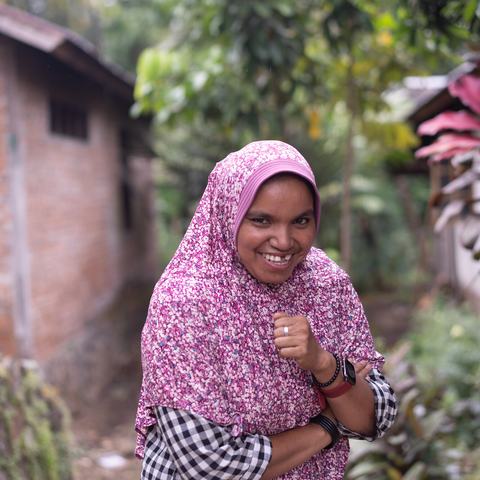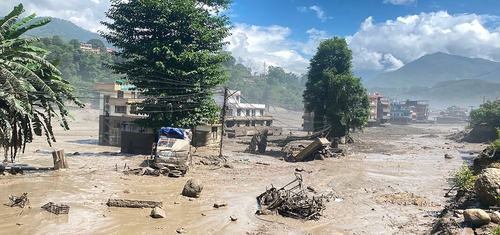

Francis Longoli (name has been changed), 51, reports that he was evicted from his land in Uganda. Photo: Simon Rawles / Oxfam

The System's bust

GROW

It's not just drought. Or famine. Or a bad harvest. A whole host of interlinked factors are stopping Akiru – and nearly 1 billion people worldwide – from having enough to eat. The global food system is bust. It's time to fix it. Click on an image to see who the System is letting down – and how.

Akiru's story Yasmik's story Florence's story Yema's story
Join the GROW campaign

The System. Sussed.

There are lots of reasons why 1 in 7 of us will go hungry tonight. Click on the diagrams below to find out about some of the big factors.

Land grabs

Climate change

Food price hike

Intensive farming

Climate change

climate change

As temperatures rise, crop yields will fall – possibly to half of their current levels in some African countries. At the same time, extreme weather events like heat waves, droughts and floods will get worse and happen more often, and the seasons that people rely on to grow crops will get even more unpredictable. The world’s governments have dragged their feet for too long. It's time to stop listening to industrial lobbies – and start dealing with a situation that’s only going to get more urgent.

Find out what is happening right now at the UN Climate Change Conference in Durban, South Africa.

Climate change

Land

Land grabs

Since the food price spikes of 2008, wealthy companies have invested heavily in cheap agricultural land in poor countries, often for commercial use. But in many cases, the land sold is actually being used by poor families to grow food. These families are often forcibly evicted with little or no warning or compensation, and in many cases the land is either left idle by investors who know it will only grow in value, or used in ways that reduce food production. So it's time for effective global rules to get land grabs under control – rules which ensure local communities see the benefits of investments and which help make sure that governments provide secure access to land for smallholder farmers, and especially women.

Find out more about land grabs and what we are calling for.

Land grabs

Food

Food prices

After decades of progress, the number of people without enough to eat is actually increasing, and food price spikes are a big part of the problem. That's because, when you spend up to 75% of your weekly income on food – as many poor families are forced to do – sudden rises have an especially destructive effect. Price spikes have many causes – the changing climate, oil prices, dysfunctional commodities markets, biofuels policies that mean crops end up in cars and not on plates – but what's clear is that we are facing a whole new challenge. It's time for governments to work together to deal with food price crises effectively – and to tackle the problems that mean millions of people can't afford enough to eat.

Rising food prices

Farming

Intensive farming

Following a century of increases, crop yields are flatlining – because intensive farming can only go so far. So it's time to focus on the huge untapped potential of small-scale farmers in developing countries – and especially on women, who often do most of the work for little reward. Already, 500 million small farms help to put food on the plates of two billion people – or one in three people on earth. And with effective government support and a focus on sustainable techniques, productivity can soar. In Vietnam, for instance, the number of hungry people has halved in just 12 years – a transformation kick-started by government investment in small farmers. It's time to change the way the world thinks about growing food.

Intensive farming

Akiru Lotege & complacent politicians

Akiru Lotege

Akiru The rural arid and semi-arid districts of Northern Kenya have no political representation at a national level and suffer from a continued lack of Government investment, in spite of the fact that the rains and crops have failed for 7 consecutive years. For Akiru, this means the longest she and her children have gone without food is 4 days.

Yasmik Josephyan & food price spikes

IYasmik Josephyan & food price spikes

YasmikPeople in Armenia typically spend up to half of their income on food anyway, so 2010’s 17% rise in food prices hit families like Yasmik’s particularly hard. “I buy rice, I buy macaroni, but the prices get higher and higher. Rice is now 800 drams (£1.30) a kilo; it was 250 drams. Sugar goes higher and higher.”

Florence Madamu & a changing climate

Florence Madamu & a changing climate

FlorenceWhen the climate changes, so do people's lives. Florence Madamu from Uganda can no longer produce cassava or beans "Because of the current weather changes the yields have completely gone down... whenever it rains it rains so heavily it destroys all the crops in our fields."

Yema Gharti & intensive farming

Yema Gharti  & intensive farming

YemaNepal's hill districts have always lacked the proper investment in irrigation and seeds to produce their own food, and the cost of transporting food up from the lowlands means the price of food in Dola, Yema's isolated, poor village, has always been high. "Because we don't have water our land becomes dry and we are not able to produce what we need."

A few details please

A few details please

Joining the movement to fix the System only takes a second or two, but it could change a billion lives forever. By giving us your name, email, and postal address, we can let you know about all the opportunities to get involved – without getting spammy.

*

:

*


: *


*


By submitting your details, you are agreeing to receive information about Oxfam's projects and activities, including via email. Oxfam will not share your details with any other organisations, and you can unsubscribe from these at any time.


(* UK only)
Load address

Address:


*


*


*