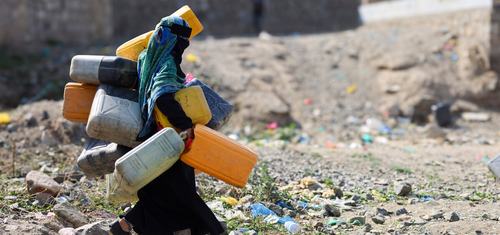
Kitty Norwell/Oxfam
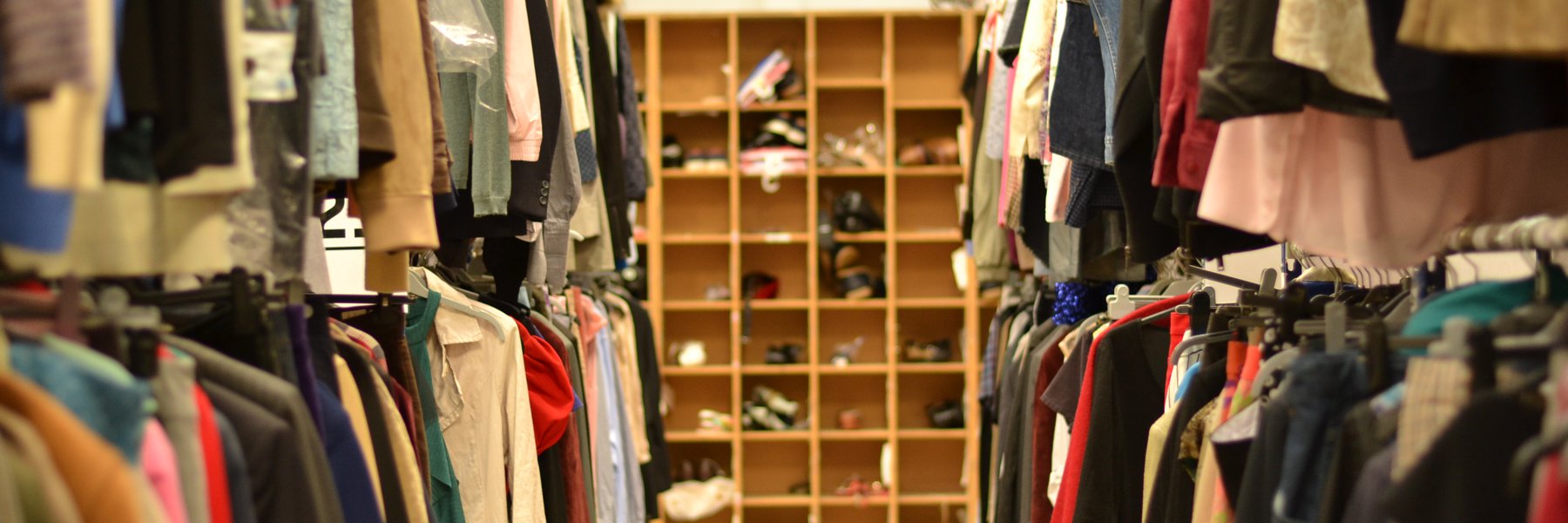
Where your donation goes
Drop that coat, pair of jeans or top off at your nearby Oxfam shop and there's a good chance it will sell there. But what if it doesn't?
At Oxfam, we work hard to find a new use for every item of clothing you generously donate to us – all thanks to our specialist teams and volunteers, partners, and our busy sorting warehouse in Batley, West Yorkshire.
What happens if your donations don't sell in your local Oxfam shop?
Photo: Gabi Torres / Oxfam
1. Another Oxfam shop
If you donate something unique or special, like a vintage dress, we'll make sure it goes to the Oxfam shop where it's most likely to sell.
Kitty Norwell/Oxfam
2. Oxfam's Online Shop
You might see your pre-loved clothing listed on our online shop or on an online marketplace like eBay, opening up your donation to a wider audience.
Photo: Sam Baggette / Oxfam
3. Oxfam's Festival Shops
Your clothes could end up at Glastonbury, or one of our many pop-up shops that we run throughout the summer in the UK.
Photo: Amber Ahmad / Oxfam
4. Oxfam's recycling partners
Our recycling partners collect clothes, textiles, books and bric-a-brac from across the country and give new life to unsold stock.
Photo: Natalie Argent / Oxfam GB
5. Oxfam's Batley Recycling Centre
Your clothes and textiles are taken to Oxfam's recycling plant in Batley, where our experts sort them by hand to maximise reuse and minimise textiles sent to landfill.
Damaged or low-grade items can be sold to recycling traders and transformed into new products, such as car soundproofing or mattress stuffing.
The first permanent Oxfam shop opens on Broad Street in Oxford six years after the Oxford Committee for Famine Relief was established.
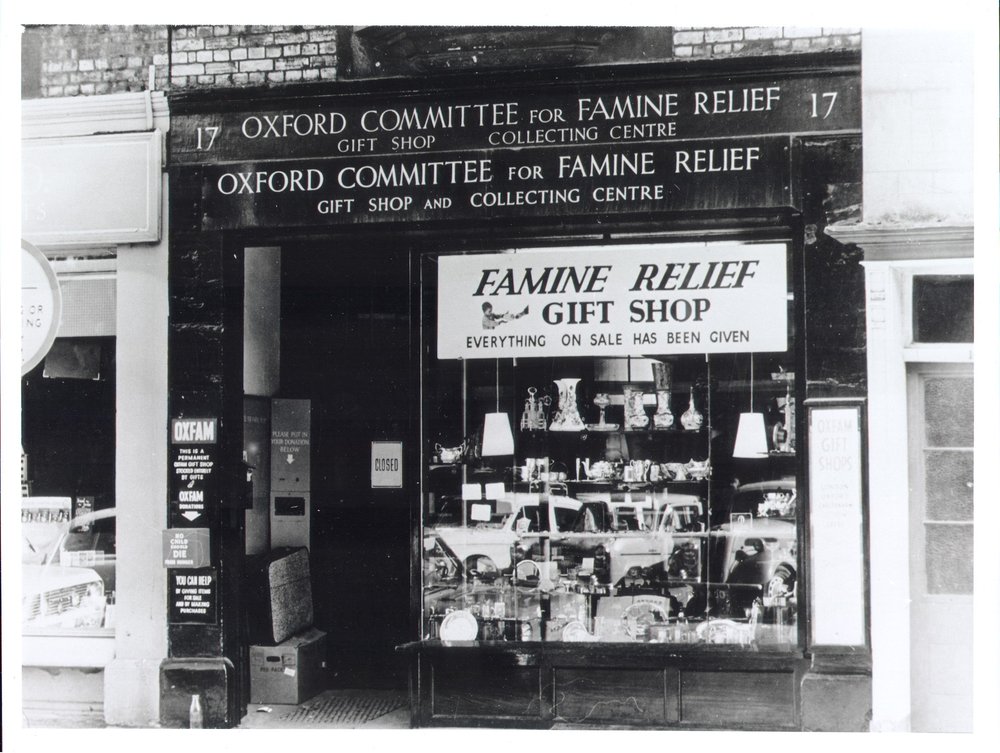
A long history of giving clothes a second life
Why is Oxfam raising awareness about sustainable fashion?
Mannequin with jacket including words 'Actions speak louder than words", on display during visit of upcycling students from Leeds Beckett university at Batley on 12th June 2025. Photo: Natalie Argent/Oxfam GB
How can buying clothes from Oxfam help the environment?
By buying and wearing second-hand clothes, we can help reduce demand for new clothing and lower the fashion industry's impact on the environment.
- Manufacturing a new pair of jeans has the same impact in terms of emissions as driving 60 miles in a petrol car.
- If every adult in the UK bought one pair of second-hand jeans instead of a new pair each year, it could save the equivalent of more than 3 billion car miles' worth of emissions from jeans manufacturing. That's the same as flying around the world more than 365 times.
Let’s make reusing clothes the new normal.