RobinHood Tax

Robin Hood Tax

Click to play video
Click to play video

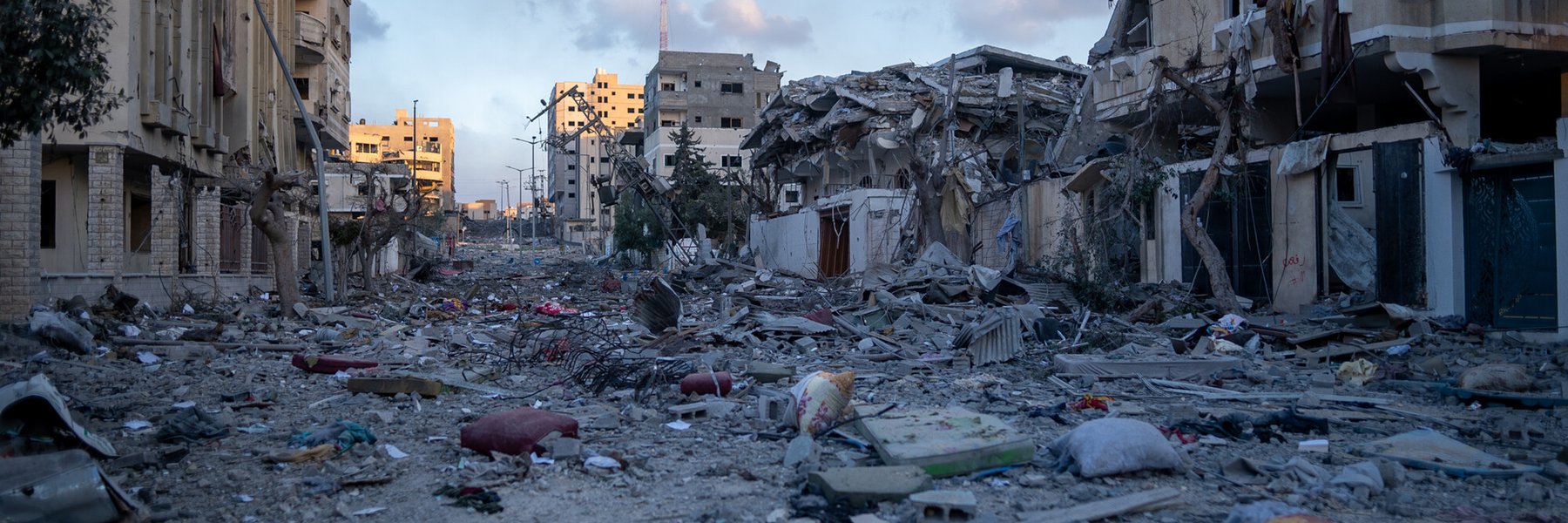
The global economic crisis has pushed 50 million more people worldwide into extreme poverty. It’s simply not fair for poor people to pay the price of mistakes made by rich bankers, to die for lack of medicines or for their children to be forced out of school because of an economic crisis they did nothing to cause. That’s why Oxfam is campaigning for a financial transaction tax on banks.

The 'Robin Hood Tax' is a tiny tax that would have a massive impact. It would raise enough money to help poor people, protect public services and tackle climate change at home and abroad.

Oxfam, along with many partners, is working to make this tax happen. Politicians around the world are already beginning to consider it as a serious possibility, but we need to make sure the possibility becomes a reality. Find out what you can do to support the tax.

Find out more

How does Robin Hood Tax work?

The tax would apply to speculative trade on financial products: stocks, bonds commodities and currency transactions. The Robin Hood Tax is a tiny tax of 0.05% on banks’ financial transactions. Introduced globally, it would raise hundreds of billions of pounds every year for good causes.

Is this a tax on my finances?

The Robin Hood Tax is designed to hit only speculative, "casino" trading and not the high street banks used by the public. At the tiny rate of 0.05% or 50p in every £1,000, there is no excuse for banks to pass this onto the public. They caused the economic crisis and they should pay to clean up the mess it caused. This tax will come from bank profits and bankers’ bonuses, not from ordinary people.

Is this an easy way to raise lots of money?

Yes. 0.05% of £20,000 is only £10 so even when large transactions take place the amount of money lost by the banks is very small. The total raised, however, would be huge. If all of the relevant transactions were taxed then between $300 and $400 billion would be raised each year. All of this money would be spent on making the world a better place. In the UK alone it could raise £20 billion a year.

Why is this important?

Those who caused the economic crisis should pay to clean up the mess – financial collapse caused the recession. Banks should do more than just pay back the cash spent on bailouts. They should repair the damage done to wider society.

For example, the Millennium Development Goals need between $34 and $45 billion to be met, and the banks have received a $1 trillion bailout. So this is a great way to tackle poverty and ensure that banks make a socially useful contribution.

What needs to happen?

Politicians around the world are beginning to consider this tax as a serious possibility. David Cameron and other European heads of state have already spoken favourably about the tax, and America is also exploring similar avenues.

Is it possible?

Yes. The technology currently employed by the global banking system would allow the tax to be gathered very simply so there’s no barrier there. Even if some countries don’t agree to it, it can still be levied in the countries that do. If only the UK and the eurozone agree to the tax we can still raise $100 billion.

What next?

We believe that this tax is an entirely realistic proposition and that the time is right to ensure financial institutions make a contribution to the world they work in. You can help make this happen.

Oxfam is working with a range of partners and over the year ahead we would like you to be one of those partners. There’s a lot you can do. The time is right. Let’s make it count.

Find out what you can do to support the tax.

Public first

Help overcome poverty and suffering.

Climate Change costs lives. Here and Now.

Make a promise and tell world leaders to do the same.

Latest news

Latest news

More
View RSS feed