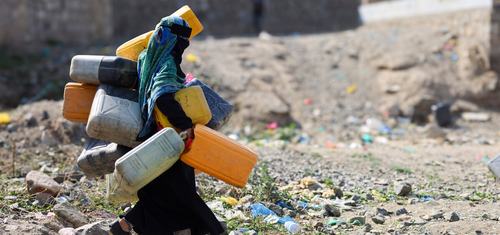
Campaign with us
Together we can challenge unjust systems, and fight for a fairer, more equal world.
Our campaigns
Explore our key campaigns and find out how you can get involved.
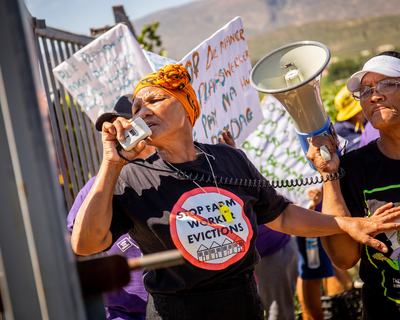
Fighting inequality
We are living in an inequality crisis, in the UK and around the world.
We need a fair economic system that works for everyone, and prioritises the health of our planet and its people over profit and power for a privileged few.
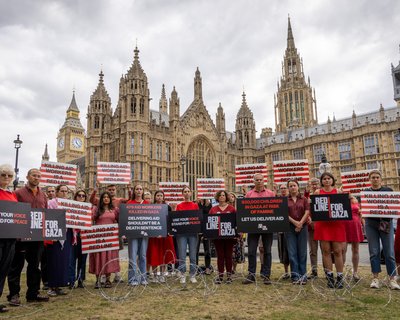
Red Line for Palestine
Day after day we have watched atrocities in Palestine unfold on our screens, as the Israeli government crosses red line after red line with impunity.
We must stand together in solidarity and fight for a fair and just future for Palestine.
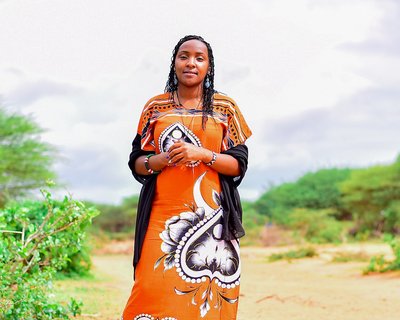
Climate justice
The climate crisis isn't in the future, it's here now – pushing people deeper into poverty.
We fight for climate justice, and a world in which we can all thrive. So, those who have done the least to cause climate change, aren't paying the highest price.
Campaign in your community
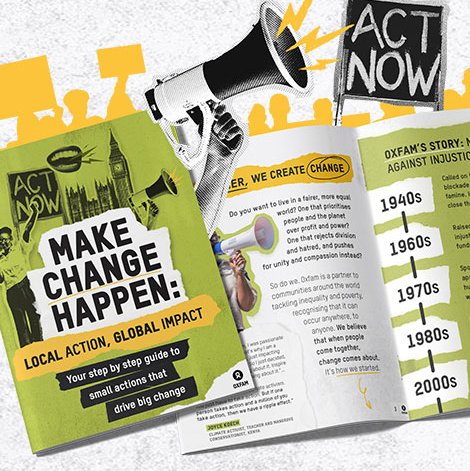
Download this free guide on how to build an effective campaign in your community. Tools, tips and templates included!
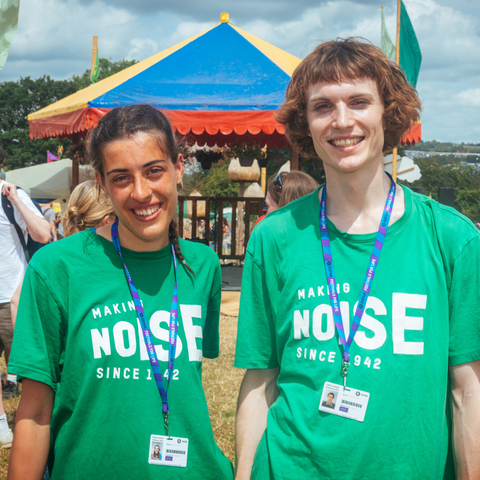
Campaigning at festivals is an opportunity to come along to your favourite festivals while making a real difference in the world.
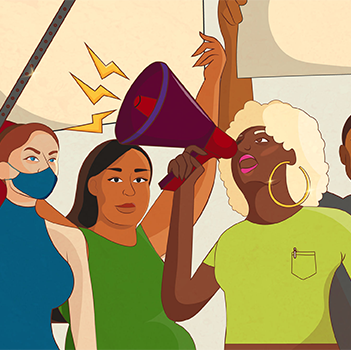
Join this online course to learn what drives positive social change, and your role as a changemaker. Strengthen your skills to tackle injustice.
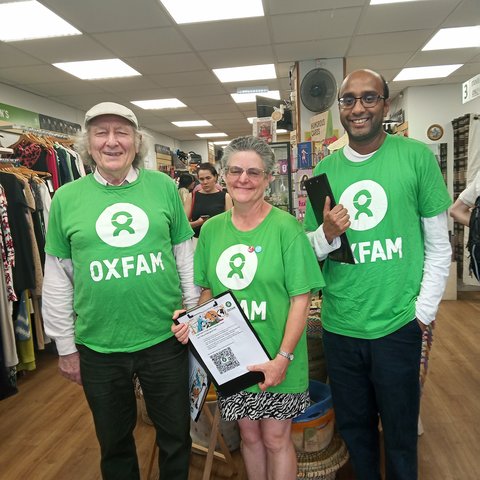
There are amazing people making a difference across the UK, and taking action on the issues they care about. Join an existing group or start your own!
History of Oxfam Campaigns
-
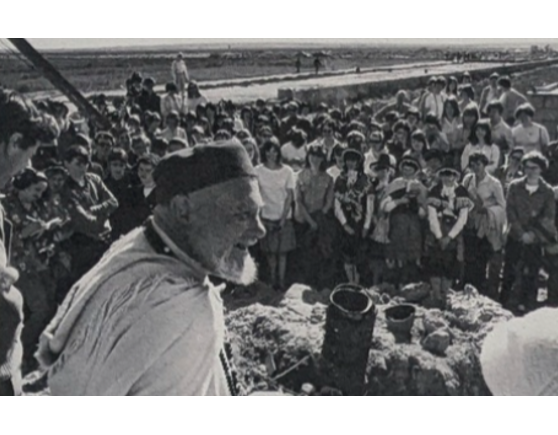
Oxfam starts working with schools
1959
Oxfam creates a team to help schools teach children about poverty and inequality, building the beginnings of a huge youth movement against injustice. In the 60s, the team arranges for nearly 800 school children to visit one of our programmes in Algeria.
-
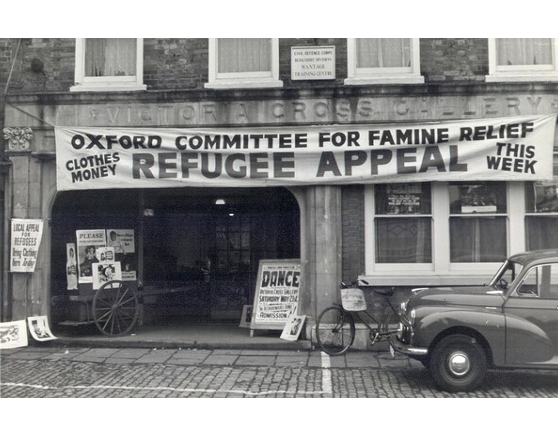
World Refugee Year
1959
World Refugee Year sees a huge push by Oxfam to raise awareness of the refugee crisis still affecting many people after the second world war. Oxfam takes part in a campaign to ‘close the camps’.
-
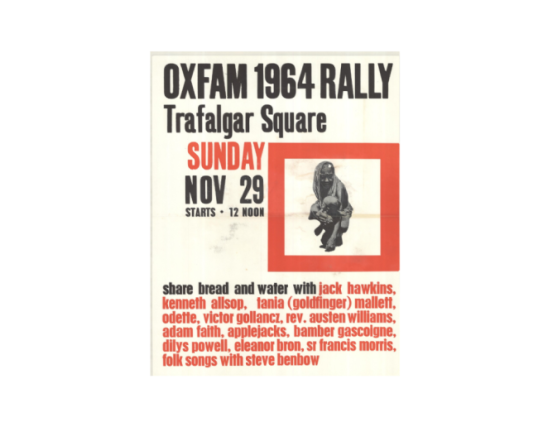
Hunger Million appeal
1964
Oxfam holds a rally in Trafalgar Square in support of our Hunger Million appeal. The drive to tackle the root causes of hunger inspires thousands of people to take action.
-
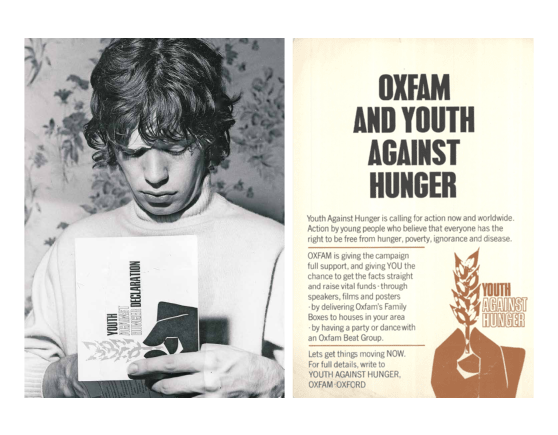
Youth Against Hunger
1965
Mick Jagger signs our Youth Against Hunger declaration. The campaign calls for action by young people worldwide against hunger and poverty.
-
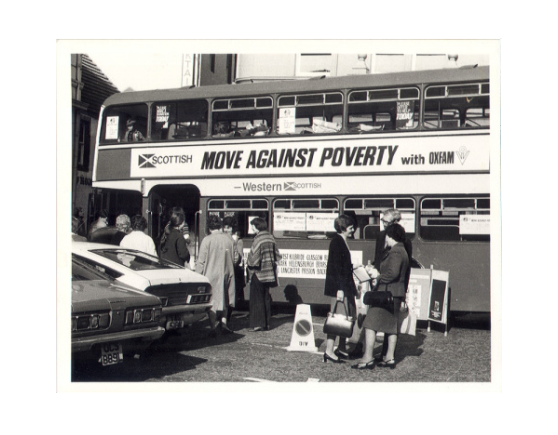
Move Against Poverty
1978
The Move Against Poverty campaign is launched, inspiring a generation of young people to take part in fasts, collect signatures and stage ‘happenings’ outside town halls.
-
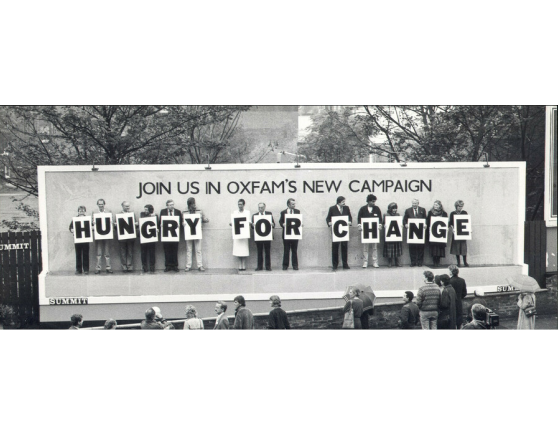
Hungry for Change
1984
After the shocking report of famine in Ethiopia, we launch the Hungry for Change campaign to change policies on debt, trade and aid.
-
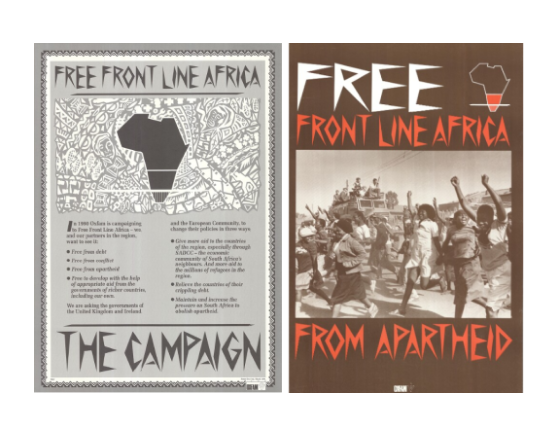
Free Front Line Africa
1985
The Free Front Line Africa campaign calls on the UK government to cancel debts of southern African states and push the South African government to abolish apartheid.
Oxfam announces it will stop using Barclays Bank because of their support to apartheid South Africa. Student organisations across Britain take similar action. A year later Barclays pulls out of South Africa – a major victory.
-
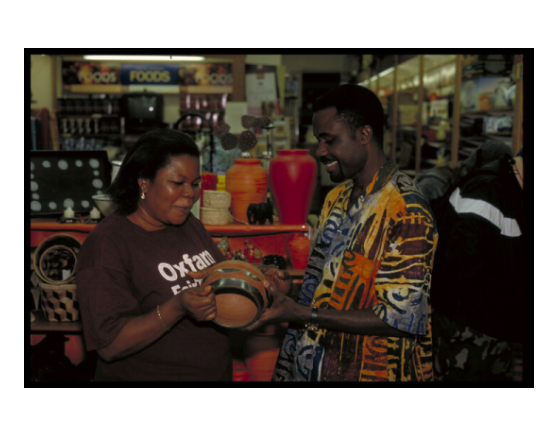
Fairtrade
1992
Oxfam campaigns for fair trade, and is a founding member of the Fairtrade Foundation, which focuses on promoting and certifying fair trade products to ensure producers get a better deal.
-
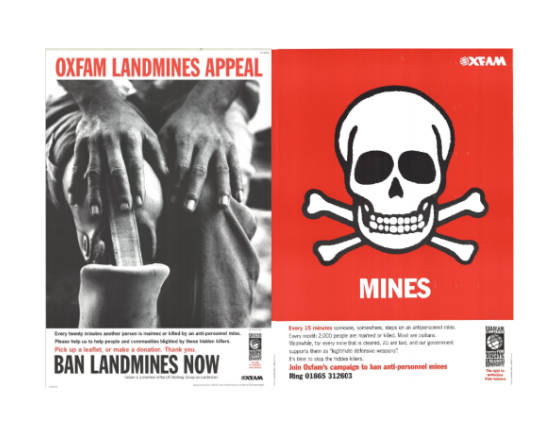
Landmines appeal
1992
Our Landmines Appeal calls for a global ban of the use of landmines, helping to lead to the Ottawa Landmines Ban Treaty. The annual death toll from landmines has fallen by about 75% since.
-
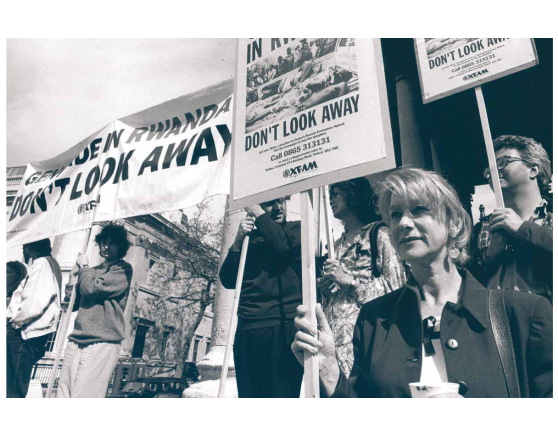
Genocide in Rwanda
1994
Oxfam is one of the few organisations to name the horrific genocide in Rwanda for what it is. We urge the UN Security Council to take action to prevent the killing of thousands of civilians.
-
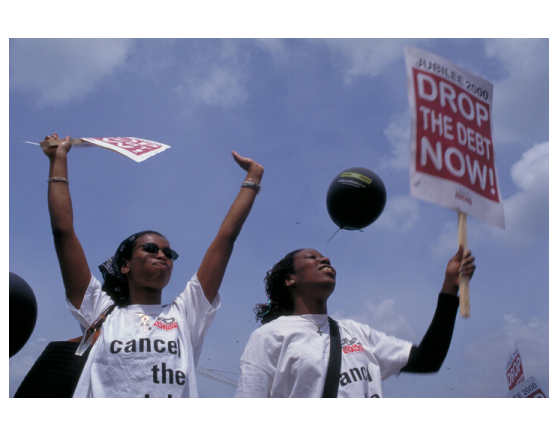
Drop the Debt
1998
Over 400,000 people sign our Drop the Debt petition, and in the years that follow many countries have around $130 billion of unaffordable debts wiped.
-
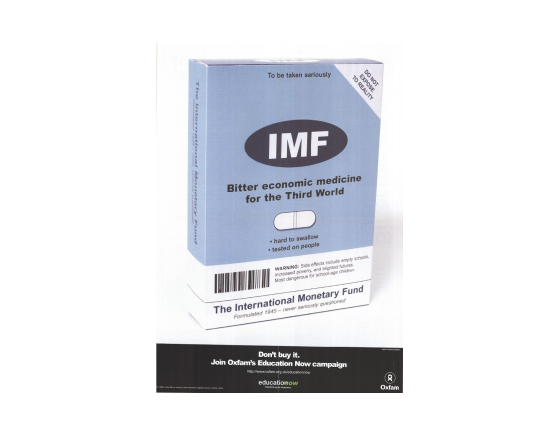
Oxfam takes on the World Bank and IMF
1999
Oxfam takes on the World Bank and International Monetary Fund (IMF), challenging their economic policies and demands on developing countries. We campaign to warn that the world’s poorest countries are suffering terrible side effects from IMF programmes.
-
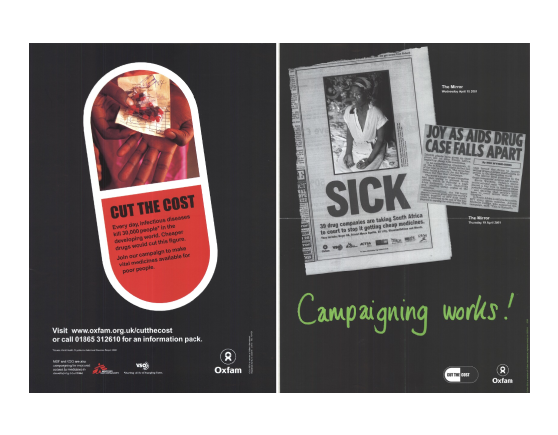
Cut the Cost
2000
Oxfam launches the Cut the Cost campaign, working with others such as the Treatment Action Campaign, to make life-saving medicines more affordable by taking on pharmaceutical companies – and challenging high drug prices and patent laws.
189 governments promise to deliver universal access to HIV and AIDS treatment by 2010 – a huge victory which has led directly to 8 million people being alive today on free treatment.
-
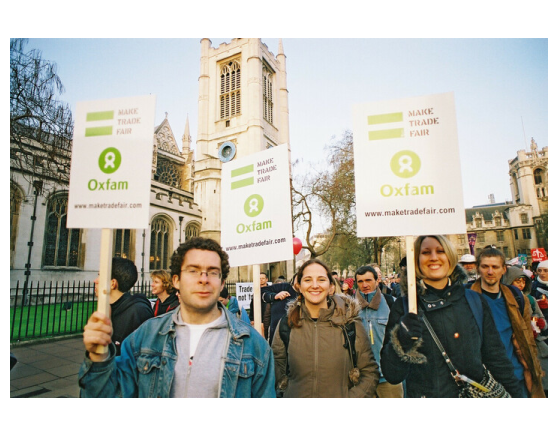
Make Trade Fair
2002
Make Trade Fair draws massive support from the public and celebrities, with Coldplay headlining concerts in support of the campaign and 17.8 million people signing a global petition.
-
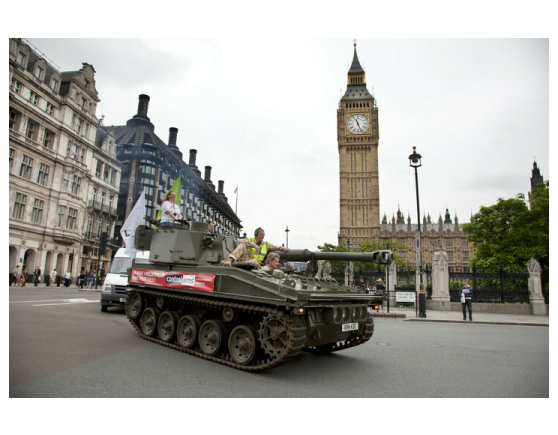
Control Arms
2003
The Control Arms campaign sparks a 10-year-long move to put the world's first global Arms Trade Treaty in place. The Treaty will prevent human suffering, and put people’s lives and safety before the profits of arms companies. Our Million Faces petition is shared with UN Secretary Kofi Annan.
The treaty comes into force in December 2014, controlling the illegal sale of weapons.
-
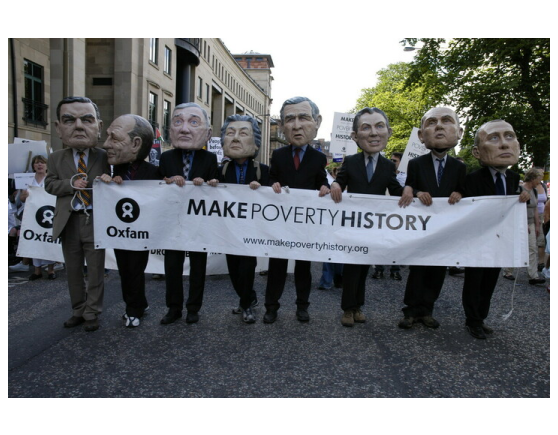
Make Poverty History
2005
The Make Poverty History campaign sees Oxfam working in coalition with hundreds of organisations, individuals, religious groups and more to call for an end to poverty. 225,000 people march in Edinburgh, calling for better aid, fair trade, and debt cancellation.
G7 leaders pledge to eradicate poverty by 2030.
-
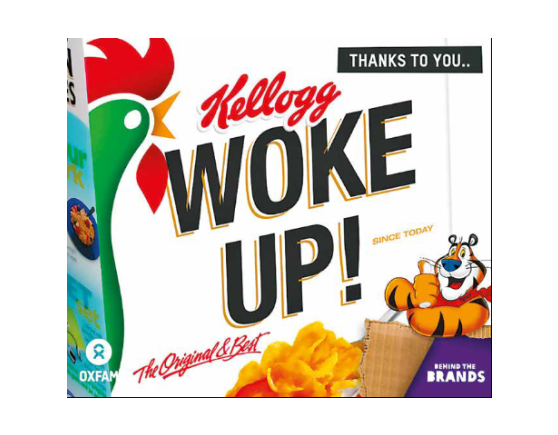
Behind the Brands
2013
Farmers, consumers and investors challenge the ‘Big 10’ food and drinks companies to change practices that keep people in poverty, through our Behind the Brands campaign.
Companies like Kellogg’s and Pepsi make significant social and environmental improvements to their supply chains.
-
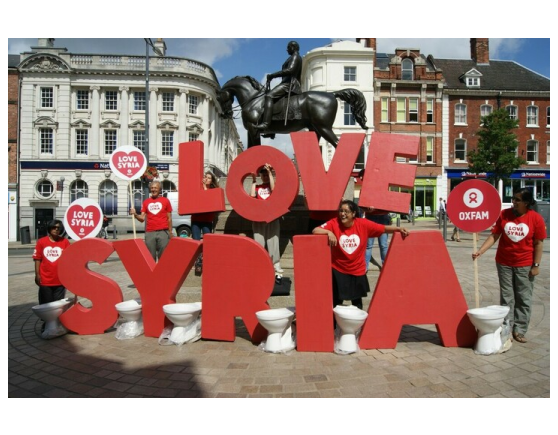
Love Syria
2013
Oxfam launches the Love Syria campaign, in response to escalating violence.
The UK government commits to giving £500 million in aid to the Syrian people – the most it has ever given in response to a humanitarian crisis. Politicians also vote against military action in Syria, and agree to stop sending arms to the region.
-
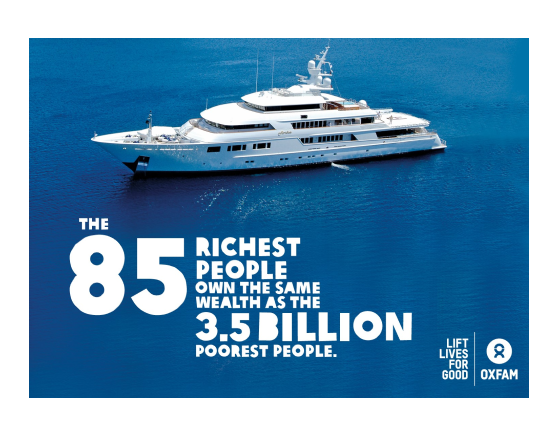
Fighting inequality at Davos
2014
Oxfam reveals shocking figures on inequality, ahead of the World Economic Forum in Davos. A year later, the UN sets a global goal to reduce inequality – and extreme poverty – by 2030.
-
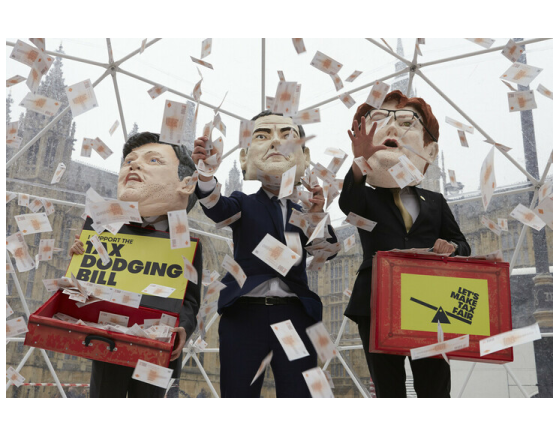
#MakeTaxFair
2015
In the lead up to the 2015 General Election, thousands of campaigners push politicians to #MakeTaxFair as part of our Even it Up campaign - in order to raise funds to fight poverty in the UK and other countries.
Together we put tax at the top of the agenda, including via our award-winning campaign film highlighting the very real impacts of tax avoidance. All parties promise in their manifestos to crack down on tax dodging.
-
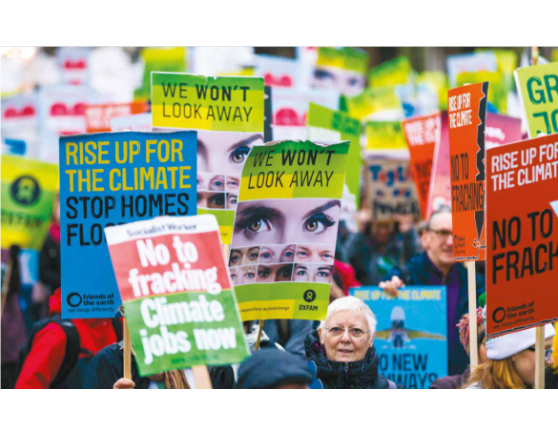
#EyesOnParis for climate talks
2015
As world leaders meet in Paris to discuss a global climate deal, hundreds of thousands take to the streets and social media to join the #EyesOnParis campaign and demand a fair deal for people living on the front lines of the climate crisis worldwide.
After decades of campaigning, at this summit 196 countries agree to an historic, and legally binding treaty to combat climate change and its impacts.
-
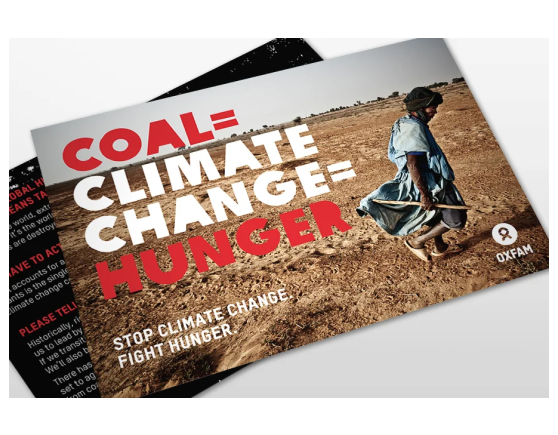
Coal pollution
2015
Thousands of Oxfam supporters push the UK government to end its reliance on coal energy by signing our petition and sharing our campaign video fronted by Simon Pegg.
Later that year, the government announces it will phase out coal power by 2026.
-
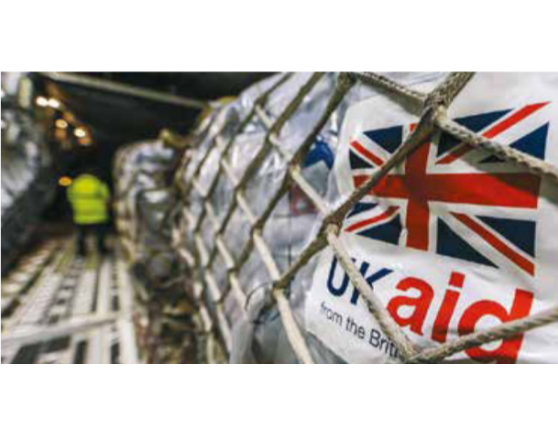
0.7% of GDP pledged for overseas aid
2015
After decades of tireless campaigning, parliament passes a law the UK will spend 0.7% of national income on life-saving aid. This supports millions of people worldwide in the following years.
-
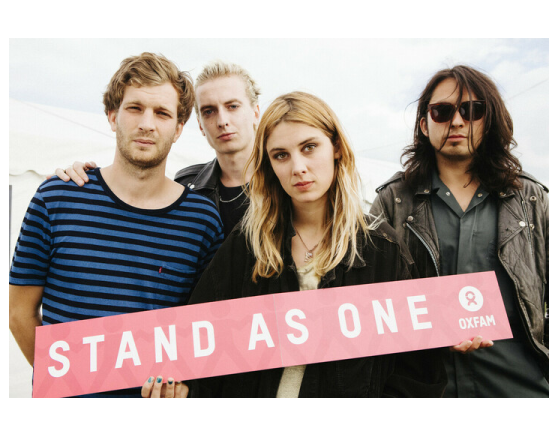
Stand as One
2016
Our Stand As One campaign calls for refugees to be kept safe, together and protected from poverty. Over 250,000 people worldwide call on world leaders to take action.
-
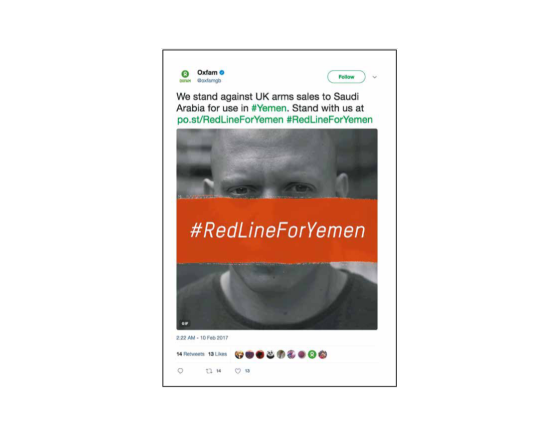
Red Line for Yemen
2016
As violence escalates and millions are pushed to the brink of famine, Oxfam launches its Red Line for Yemen campaign. Thousands of Oxfam campaigners write to their MPs demanding that the UK government stops fuelling the crisis through arms sales to Saudi Arabia.
The UK government is forced to pause arms sales after a legal challenge from campaign groups.
-
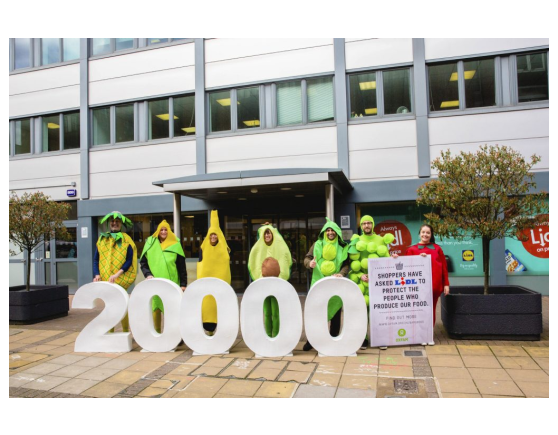
Behind the Barcodes
2018
As part of Oxfam’s Behind the Barcodes campaign, 20,000 signatures are presented to Lidl headquarters urging them to do more to protect the workers behind their food.
Oxfam assesses the six major UK supermarkets and scores their policies and practices on human rights in their supply chains. Lidl is targeted because it’s bottom of Oxfam’s scorecard.
-
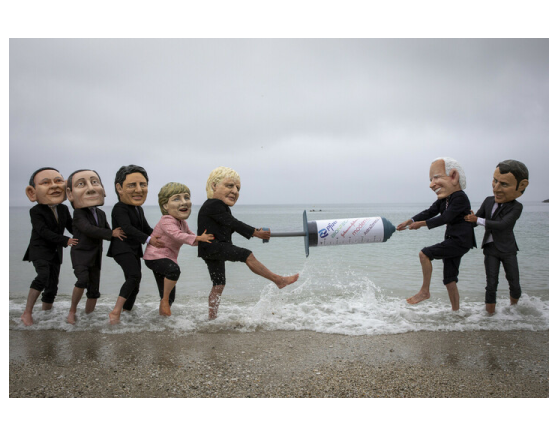
The People's Vaccine
2020
Oxfam joins the People’s Vaccine alliance, pushing world leaders and pharmaceutical companies to make the Covid vaccine affordable for lower income countries. Campaigners take the demand to world leaders at the G8 summit in Cornwall in 2021.
-
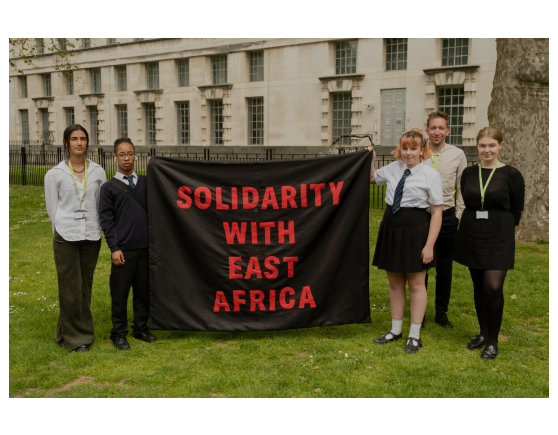
F for Famine
2022
Millions of people in Ethiopia, Somalia, Kenya and South Sudan face the worst hunger crisis in living memory. Oxfam launches the F for Famine campaign, calling on the UK government to take timely action and increase aid funding to avert widespread famine.
-
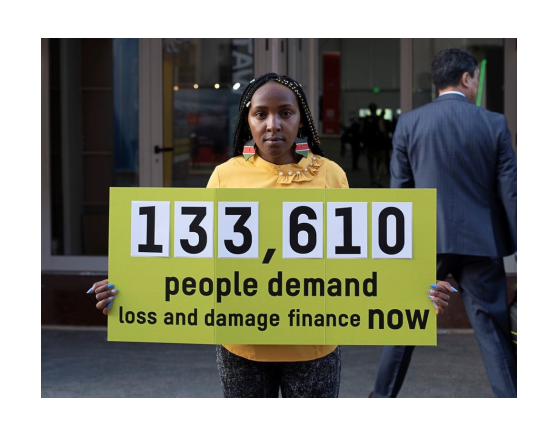
Climate Loss and Damage
2022
People across the world join climate activist Elizabeth Wathuti and Oxfam to call for world leaders at COP27 to call for finance for people facing loss and damage because of the climate crisis.
A specific fund for Loss and Damage is agreed at the summit – a huge win for activists and communities on the front lines of the climate crisis who have been calling for this for over 30 years!
-
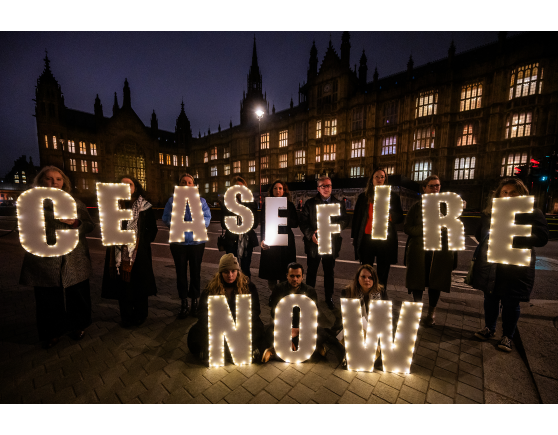
#CeasefireNOW in Gaza
2023
With thousands of people killed in Gaza and humanitarian aid blocked by the Israeli government, Oxfam joins with others to launch the global #CeasefireNOW campaign, calling on governments to push for a permanent ceasefire and unrestricted humanitarian access.
-
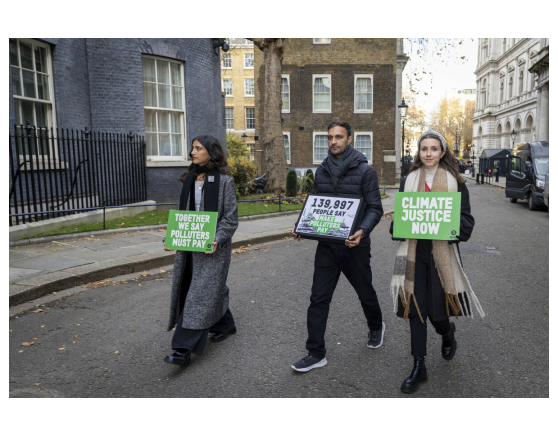
Make Rich Polluters Pay
2024
As part of the Make Rich Polluters Pay campaign – pushing the UK government to make the biggest polluters pay into the climate Loss and Damage fund – Oxfam campaigns for a luxury travel tax on private jets and superyachts.
At the Autumn Budget, the UK Chancellor announces a 50% increase in air passenger duty for private jets.
-
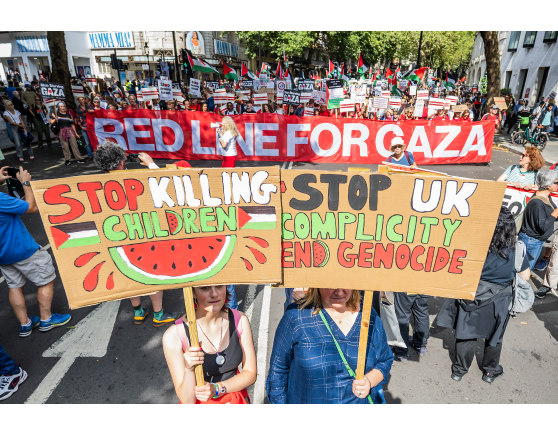
Red Line for Palestine
2025
Oxfam and other organisations in the UK join together to demand an end to UK complicity in the Israeli governments atrocities in Palestine.
Hundreds of thousands of campaigners take action, by signing petitions, writing to their MP, marching, and organising red line actions in their communities.
The UK government formally recognises Palestine, and suspends some arms exports to Israel.
How and why Oxfam campaigns
Why does Oxfam campaign?
Oxfam exists to prevent and relieve poverty, to offer support to people facing extreme vulnerability, and to advocate for their rights alongside them.
Right now, governments, institutions, and corporations are making choices that make inequality, climate change and conflict worse, in the UK and across the world. Those choices mean more people have to go without food, clean water, medicine, shelter or education. They mean people are denied rights, dignity, and choices about their own lives. It’s pushing millions of people deeper and deeper into poverty.
Oxfam has always campaigned alongside its other humanitarian activities – to challenge the root causes and unjust systems that cause and keep people trapped in poverty and continue to make life so much harder for many. Without systemic change, we would only ever treat the symptoms of poverty. We work towards a fairer world and lasting change for everyone.
What issues does Oxfam campaign on?
We campaign on issues that aim to prevent and relieve poverty, including promoting human rights and equality. This includes:
A fair economic system that means everyone can thrive, and prioritises the health of our planet and its people, instead of profit and power for a privileged few.
Climate justice, so that the people who have done the least to cause the climate crisis aren’t paying the highest price.
Protecting people's rights and dignity, including during crises and conflicts, and prioritising human life over economic and political interests.
Where does Oxfam campaign?
Oxfam GB often campaigns alongside local partners and other Oxfams across the world.
In the UK, we tend to focus on influencing our government, and British institutions and corporations, and the role they play in the global systems that trap people in poverty.
Oxfam also has teams that specialise in influencing the devolved governments in Scotland and Wales. Learn more about how that works here.
How does Oxfam campaign?
We use different tactics in our influencing work, depending on the issue and who has the power to create change. Approaches might include:
Speaking truth to power: We hold powerful decision makers to account and make the human impact of their policies clearly visible. Through the media, stunts, open letters, social media and other kinds of public communications, we make sure people’s collective voice is heard by those in power.
Building people power: We help raise awareness and turn people’s passion into action. That might mean signing petitions, joining marches, or deeper, long-term activity like supporting community networks. We can create change together when we're all empowered to participate and shape the world we live in.
Direct advocacy: Sometimes the most effective approach is to build relationships with people in power, such as politicians and people who work for the government, other institutions, and corporations. They can often influence decision makers directly, or may have the power to change things themselves.
Legal challenges: We may support legal challenges that help ensure people can access their right to live in freedom, dignity and peace.
What values are important for campaigning?
We believe that how we campaign is just as important as what we do. These principles are important to us:
Working together: We are strongest when we stand together, united against inequality and injustice. We work strategically with other organisations, coalitions, alliances and partners in the UK and across the world.
Amplifying lived experience: Our campaigns are led and informed by people with direct experience of the issue. It is our responsibility to bear witness to people’s stories, to share their experiences in their own words, and to give a platform to people already doing vital work in their communities.
Building solidarity: Our struggles and experiences can look different on the surface. But often they're deeply connected. Our collective wellbeing lies in our ability to recognise our common humanity and support each other – so we can build a fairer world for all, together.
Does campaigning really work?
Yes, campaigning makes a difference. And even small actions we take together can add up to make big changes.
Over the years, our campaigning work has helped to create real change in the UK and across the world.
How to campaign with Oxfam
Ready to take action for a fairer world? Join our community of almost a million campaigners in the UK.
Explore our key campaigns (at the top of this page) to find out how you can get involved in the campaign you feel passionate about. We’ll then share regular email updates on the progress of our campaigns and other ways that you can get involved. That might include petitions you can sign, resources to support your own campaigns in your community, opportunities to engage directly with politicians, or helping us shape our plans.
You will be part of a huge movement working together to bring about vital change all over the world. Thank you!
If you’d like to contact us directly about our campaigning work, please email campaigning@oxfam.org.uk