After three years of conflict, millions in Sudan face catastrophic hunger

• Published:
• Short URL: https://www.oxfam.org.uk/mc/yvu2bd/

Nearly three years of relentless conflict in Sudan have pushed the country into one of the world’s fastest‑growing humanitarian emergencies. With violence continuing across Khartoum, Darfur and Kordofan, and humanitarian access severely restricted, the scale of need is accelerating at an alarming pace.

According to IPC (Integrated Food Security Phase Classification) famine thresholds for acute malnutrition have now been surpassed in two additional areas of North Darfur: Um Baru, where the Global Acute Malnutrition (GAM) rate has reached 52.9%, nearly double the famine threshold, and Kernoi, where the GAM rate stands at 34%.

These figures show a worrying increase in the risk of deaths and raise fears that neighbouring communities may be facing similarly catastrophic conditions.

We express solidarity with the people of Sudan and remain committed to supporting those seeking refuge in neighbouring countries.”

Fati N’Zi‑Hassane, Oxfam in Africa Director

In the last IPC analysis released in November 2025, famine (IPC Phase 5) was detected in El Fasher and Kadugli towns, with 20 areas across Greater Darfur and Greater Kordofan at risk of famine.

Acute malnutrition is expected to worsen further in 2026, with 4.2 million cases projected, up from 3.7 million the previous year. Prolonged displacement, ongoing conflict, and the collapse of health, water and food systems are driving this dangerous trend.

Zinab Alzaki Mohammed Alnur, 20, a Sudan refugee displaced by the war at an NFI distribution at the transit centre in Renk. Credit: Peter Caton/Oxfam.
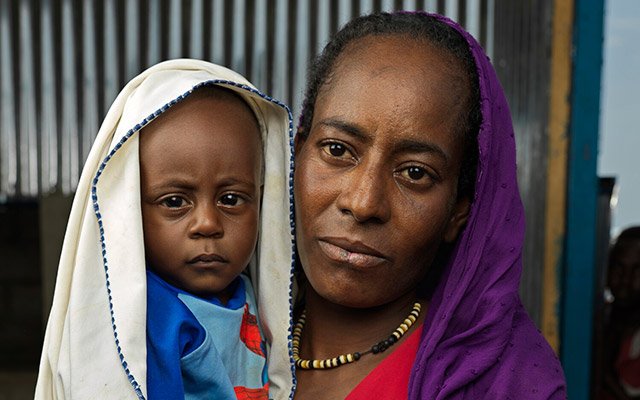
Zinab Alzaki Mohammed Alnur, 20, a Sudan refugee displaced by the war at an NFI distribution at the transit centre in Renk.

IPC is warning that 33.7 million people - two thirds of Sudan’s population - will require aid in 2026. The conflict has already forced 9.6 million people from their homes, shattering communities and overwhelming neighbouring countries as families flee with little more than the clothes they are wearing.

Photo credit: Herison Philip Osfaldo/Oxfam
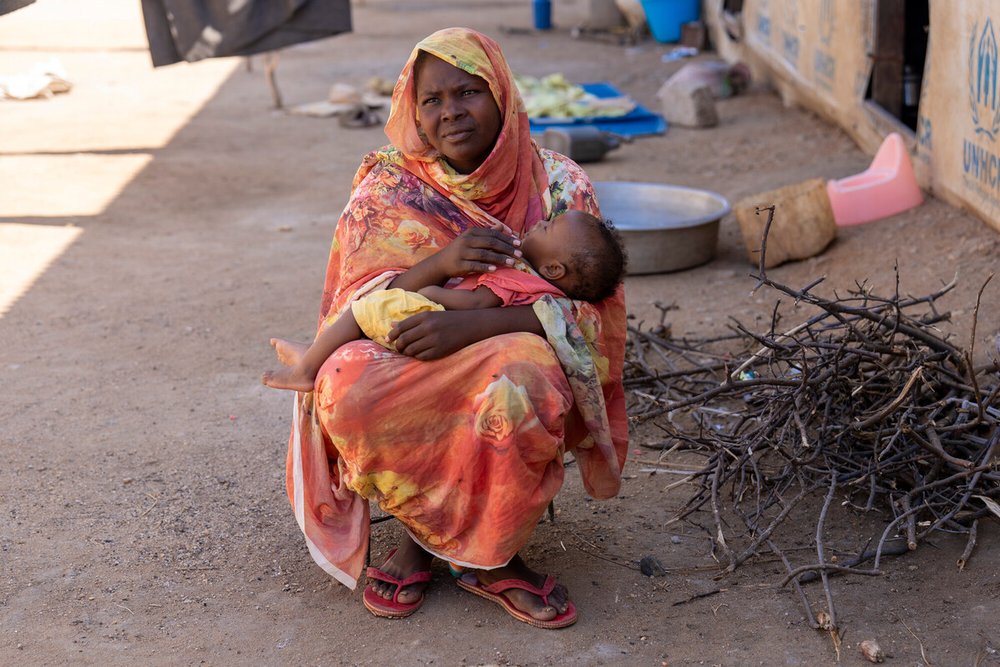
A woman sits outside holding a young child in her arms, wrapped in bright patterned fabric. Nearby are cooking pots, collected firewood, and household items on the ground.

Thousands continue to cross into Chad and South Sudan every week. Many arrive exhausted, traumatised and without basic necessities. Food, clean water and hygiene support are urgently needed to prevent further loss of life.

The consequences of the conflict are now being felt heavily in South Sudan, where renewed violence and deepening hunger are colliding, stretching an already fragile country to breaking point – a direct result of global failure to act. Oxfam is supporting refugees and returnees in Chad and South Sudan, providing life‑saving assistance such as water, food, cash and hygiene support, but deep funding cuts to humanitarian action are stripping away lifelines, leaving families with nothing and driving millions closer to the edge.”

Fati N’Zi‑Hassane, Oxfam in Africa Director
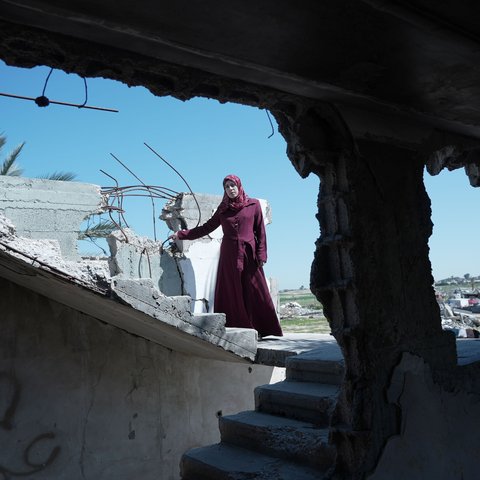
As UN Security Council penholder, the UK has a unique opportunity to lead. With over two million people having fled to South Sudan and Chad, this is no longer just Sudan’s crisis, it’s a regional emergency. The UK Government must act now by restoring aid and mobilising international support to protect lives.

Support our Sudan regional crisis appeal.

Press contact

For comments, interviews, or information please contact the Oxfam GB Media Team: