IMF tax guidance benefiting the rich by ignoring wealth

• Published:
• Short URL: https://www.oxfam.org.uk/mc/oauhpm/

Taxing wealth has been almost completely missing from tax advice given by the International Monetary Fund (IMF) to governments in recent years, according to new analysis by Oxfam ahead of the IMF and World Bank Spring Meetings in Washington, D.C.

Janet Fuentes, health activist, Peru. Image: Miguel Villalobos
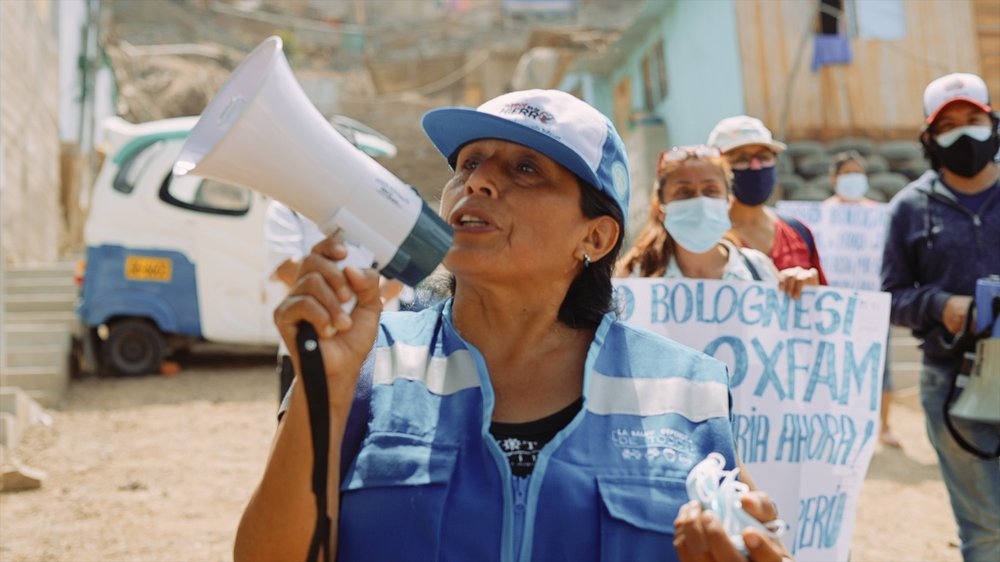
Janet wears a blue hi-vis jacket and a blue cap and carries a megaphone. Protesters stand behind her with signs.

Oxfam’s analysis found that only 3 percent of the more than 1,000 tax recommendations made by the IMF between 2022 and 2024 focus on taxing wealth and income from wealth.

“As billionaire fortunes grow at extraordinary speed, the IMF’s silence on taxing extreme wealth is increasingly untenable. The Fund is reinforcing a system in which ordinary people —already strangled by rising prices— are forced to shoulder the brunt of taxes. Meanwhile, vast concentrations of obscene wealth remain largely untaxed. Serious fiscal reform should start with those most able to contribute.”

Kate Donald, Head of Oxfam International’s Washington DC Office

Photo: Alexi Rosenfeld/Shutterstock
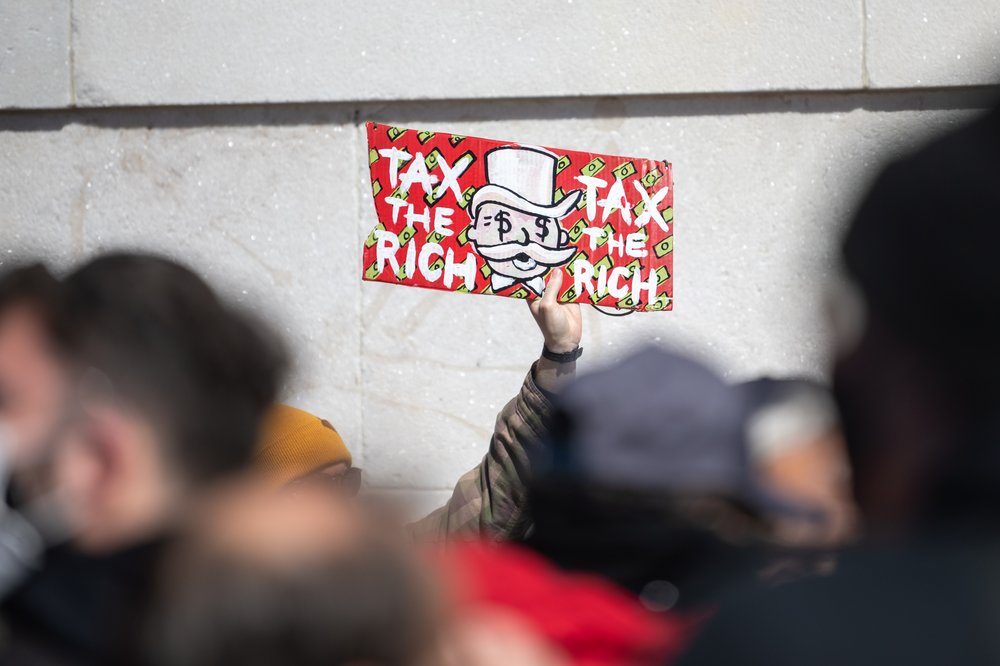
The analysis adds weight to Oxfam calls for the UK Government to implement a wealth tax to help tackle the biggest global challenges like poverty and the climate crisis. 

Tackling inequality starts with ensuring those at the top pay their fair share. We should be taxing the super-rich to tackle inequality and fight the climate crisis. If the wealthiest paid a little more in taxes, that money could go to where it is really needed: to fund healthcare, education, fair wages, and protection from the devastating impacts of climate breakdown.”

Beth John, Climate Justice Adviser at Oxfam GB
Oxfam calls on the UK government to:

  • Introduce a permanent, progressive wealth tax on the super‑rich, which would generate revenue to tackle poverty, strengthen public services and support a support the transition to a greener, fairer economy. A tax of 2% on assets over £10million would raise £24 billion a year.
  • Demonstrate leadership on the world stage by supporting the UN Tax Convention to end tax havens, make polluters pay and tax the super-rich.

Analysis of IMF advice

Oxfam examined the IMF’s tax advice to 125 countries between 2022 and 2024. Despite the rapid growth of extreme wealth ―billionaire wealth has surged by 81 percent since 2020― just 30 of 1,049 tax recommendations focus on net wealth taxes and the taxation of income from wealth, namely capital gains.

Oxfam’s analysis exposes two striking discrepancies in IMF guidance depending on a country’s income level.

52 percent of tax advice to high-income countries was progressive, while 59 percent of tax advice to low- and lower-middle-income countries was regressive. A progressive tax system ensures those who have higher income and more wealth pay proportionally more taxes than those who have less.

While the IMF publicly acknowledges that tax policy is a critical tool for addressing inequality, it links its tax advice to inequality far more often for high-income countries (34 percent) than low- and lower-middle-income countries (8 percent). Nearly 90 percent of low- and lower-middle-income countries have medium or high inequality.

Oxfam’s analysis also found that 10 percent of the IMF’s recommended tax reforms address gender inequality, and most of these references amount to just a few sentences. Overall, more than 90 percent of all IMF tax guidance focuses on tweaking existing measures.

Oxfam urges the IMF to:

  • seize the opportunity presented by its ongoing comprehensive review to fundamentally reform how tax policy is integrated into its economic surveillance;
  • systematically place inequality at the heart of all fiscal advice, defaulting to revenue-raising policies that enhance the progressivity of national tax systems;
  • discourage over-reliance on consumption taxes and other regressive measures that disproportionately burden low-income households.

Press contact

For comments, interviews, or information please contact the Oxfam GB Media Team: