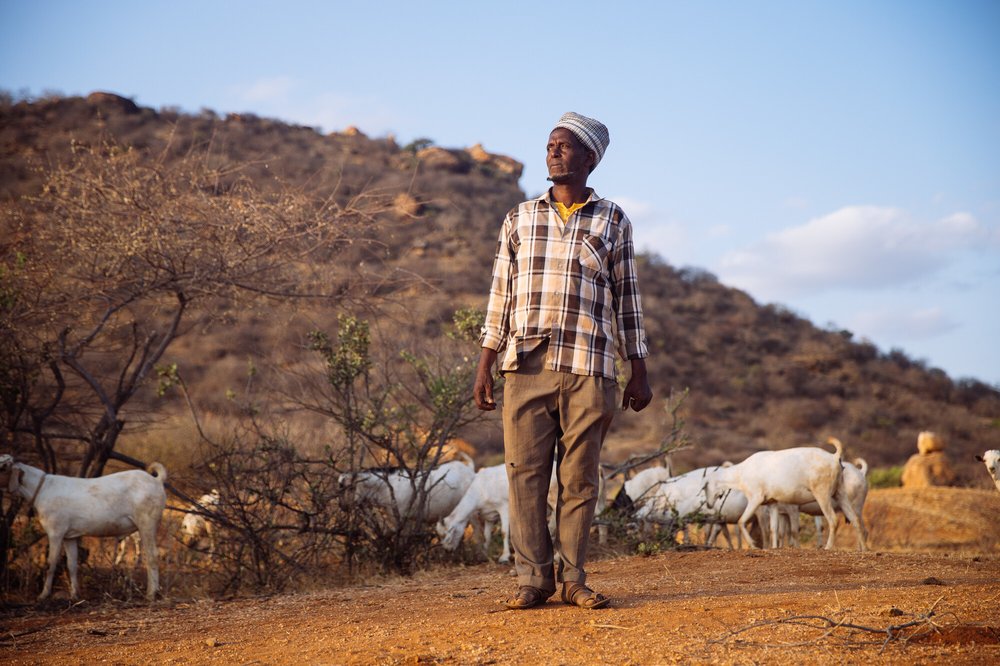
In Somalia, a new Integrated Food Security Classification (IPC) alert revealed that the number of people facing hunger has nearly doubled since early 2025, rising to 6.5 million people. One in three people in the country are expected to be in crisis level hunger between February and March 2026. Levels of acute malnutrition have more than doubled, with communities struggling to survive as the climate crisis deepens.
In Kenya’s arid and semi-arid areas, communities are reporting reduced harvests while in Ethiopia, some areas are reporting crop losses due to the failure of the last two rainy seasons, leaving households empty-handed. FEWSNET estimated that some regions had suffered production losses of 34 to 54 percent due to a severe rainfall deficit.
The deepening crisis is unfolding amid severe humanitarian funding gaps. While needs have surged across East Africa, funding has declined sharply leaving millions of families to fend for themselves. In 2021, Somalia, Kenya and Ethiopia required $2.65 billion in humanitarian aid, with just under 61 percent funded. In 2025, less than one-third of overall humanitarian requirements were met. In Somalia, the 2025 Humanitarian Response Plan received only 29 percent of the required funding while the 2026 has secured barely 13.4 percent so far.
“The upcoming dry season will not just be difficult – it could be the final blow pushing communities beyond the point of recovery. Urgent funding is needed now to save lives across the region. Communities here have contributed almost nothing to global climate crisis, yet they are paying the highest price. Families are fighting every day to survive its consequences. We can’t fail them,” said N’Zi-Hassane.
Across Somalia, Kenya and Ethiopia, Oxfam is working with local partners to deliver life- saving water, hygiene kits, cash assistance and protection support to hard-to-reach and most severely affected communities. People can donate to Oxfam emergency response to provide vital support to those most in need.