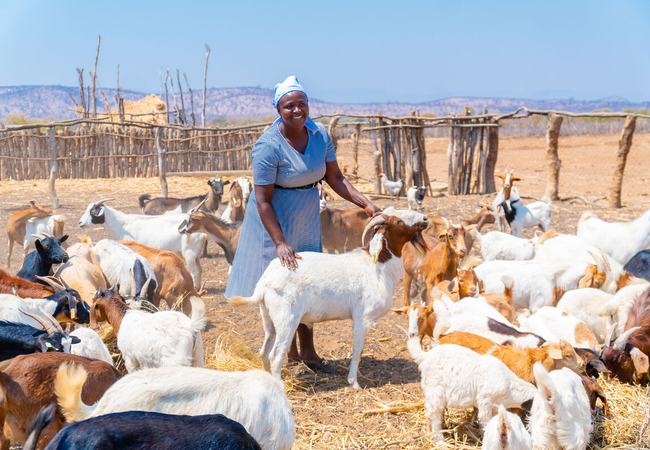
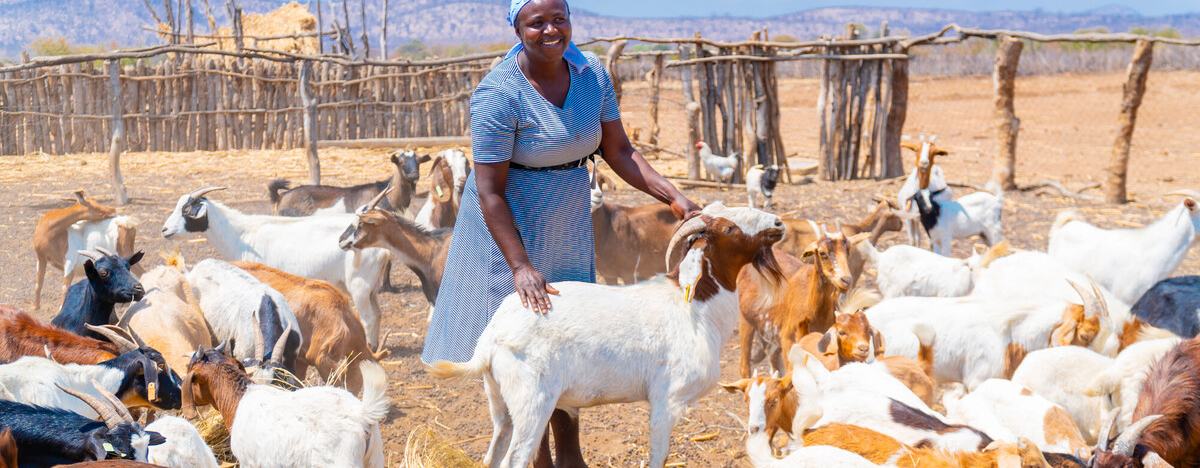
Oxfam GB was supported with grants from SIDA to implement the second phase of the Climate Adaptation for Rural Livelihoods (CARL) in Zimbabwe project. Credit: Collin Moyo-Nduna/Oxfam
How INGOs can fund local partners fairly: six key actions
Local organisations play a vital role in meeting people’s needs and leading long‑term change, yet many are still denied the indirect cost funding they need to survive. When donors and INGOs do not share these essential costs, local partners are left without the stability, staff and systems required to deliver their work safely and effectively.
A webinar that brought together SIDA, UNHCR, Oxfam and Development Initiatives looked at why this gap persists and what can be done to fix it.
This blog shares six practical actions that INGOs and donors can take to fund partners more fairly.

Why fair funding for local partners matters
“People often describe ICR as the money that enables organisations to pay the rent and keep the lights on, and that’s true. But it represents so much more… Organisations that are limping from grant to grant without money for overhead expenses must lay off key staff after every project is complete.”
Hero Anwar, Deputy General Director of REACH and an advocate for local humanitarian leadership. REACH is an Oxfam partner in Iraq.
Six key actions
Kishor Sharma / Oxfam
Supporting rural communities in their own development
The Sowing Diversity = Harvesting Security (SD=HS) project supports smallholder farmers in responding to climate change by developing climate‑resilient seeds and improving food and nutrition security. With grant funding from SIDA, local partner LI-BIRD helped to establish Farmer Field Schools where farmers try out and learn about new crop varieties on their own farms.
Tikeshwori Malla is the Secretary of Progressive Seed Producers Farmers Field School and grows kiwi trees on her farm in Doti District, Nepal.
Dagmawi Tadesse/Oxfam
Providing safe, clean water and sanitation to displaced people
Oxfam leads the provision of water, sanitation, and hygiene (WASH) services in seven refugee camps and host communities in the western Ethiopian region of Gambella. Four projects were funded by UNHCR, UNICEF, Oxfam America, and ECHO related to latrine and bathing shelter construction, hygiene promotion, protection, and supporting groups.
Nyakhot Lul Deng, 29, and her family were displaced by the war in South Sudan and have lived in the Tierkidi camp for over seven years. She built her own simple pit latrine to provide safe and clean water for her family.
“We don’t want charity: we want a just share of the ICR to which we are entitled.”
Representatives from local partners.