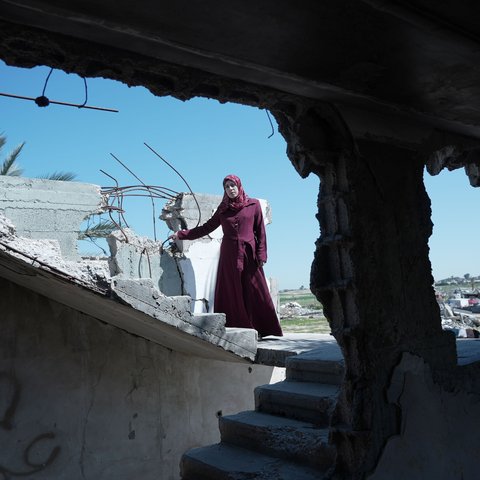
Gaza still deliberately deprived of water under illegal blockade
Alef Multimedia/Oxfam
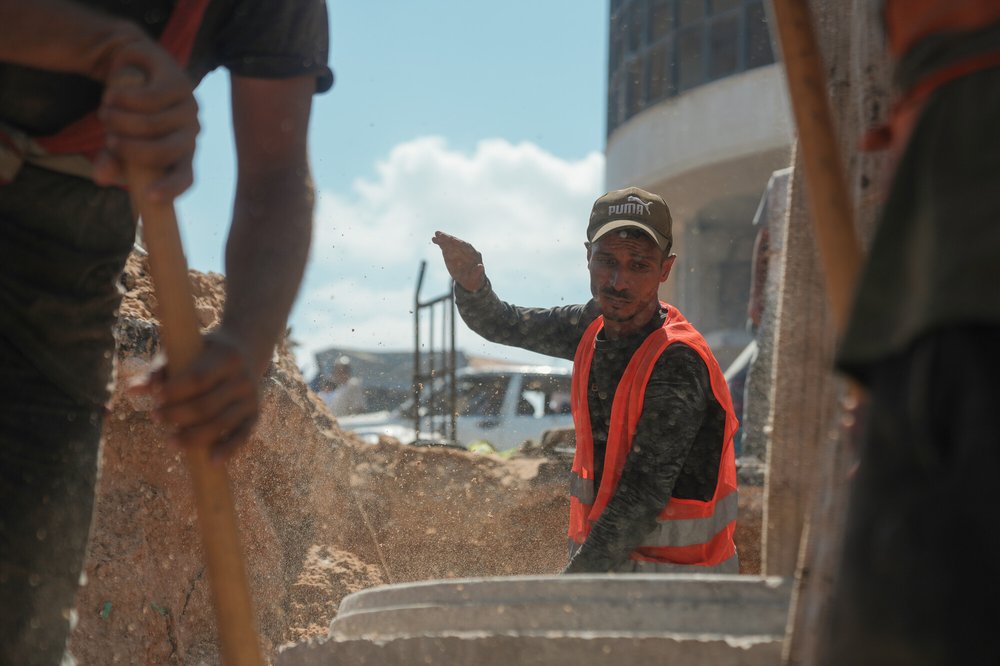
““We did not just re-open these wells. We have been solving a moving puzzle under the siege and restrictions to make the wells operational – salvaging parts, repurposing equipment, and paying inflated prices to get critical components, all while trying to keep our teams safe. “For as long as systematic policies and practices preventing aid agencies from getting essential supplies into Gaza persist, we will have to keep finding a way to reach people in need. It’s not an acceptable situation, but as humanitarians, we can never give up trying to save lives. “So much more could have been achieved if our efforts had not been undermined at every turn – which continues to this day. Oxfam alone has over 2 million dollars’ worth of aid and water and sanitation equipment ready to enter Gaza, but these supplies have been repeatedly rejected since March 2025.””
Wassem Mushtaha, Oxfam Gaza Response
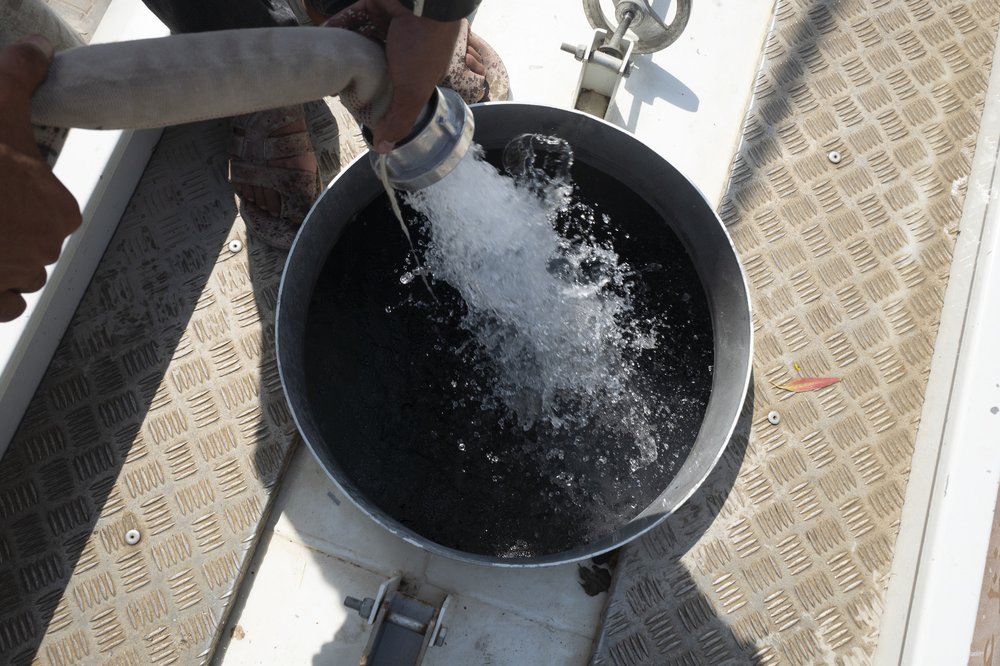
A water truck is filled from Oxfam's desalination plant. Kieran Doherty/Oxfam
“Aid agencies should not have to operate in a way that is needlessly time consuming and exhausting:. While it’s commendable that dedicated staff are going to such lengths to bring water access to those who need it so desperately, the equipment needed is just across the border, blocked from entry. Agencies are having to resort to salvaging materials from the rubble of bombed water infrastructure and the remains of people’s homes, repurposing parts, and paying inflated prices. This is the direct result of Israeli restrictions, last-resort measures forced by siege conditions.”
Monther Shoblaq, Director General of CMWU,