Escalation of conflict in South Sudan threatens to push a million into extreme food crisis
• Published:
• Short URL: https://www.oxfam.org.uk/mc/ez7b3h/

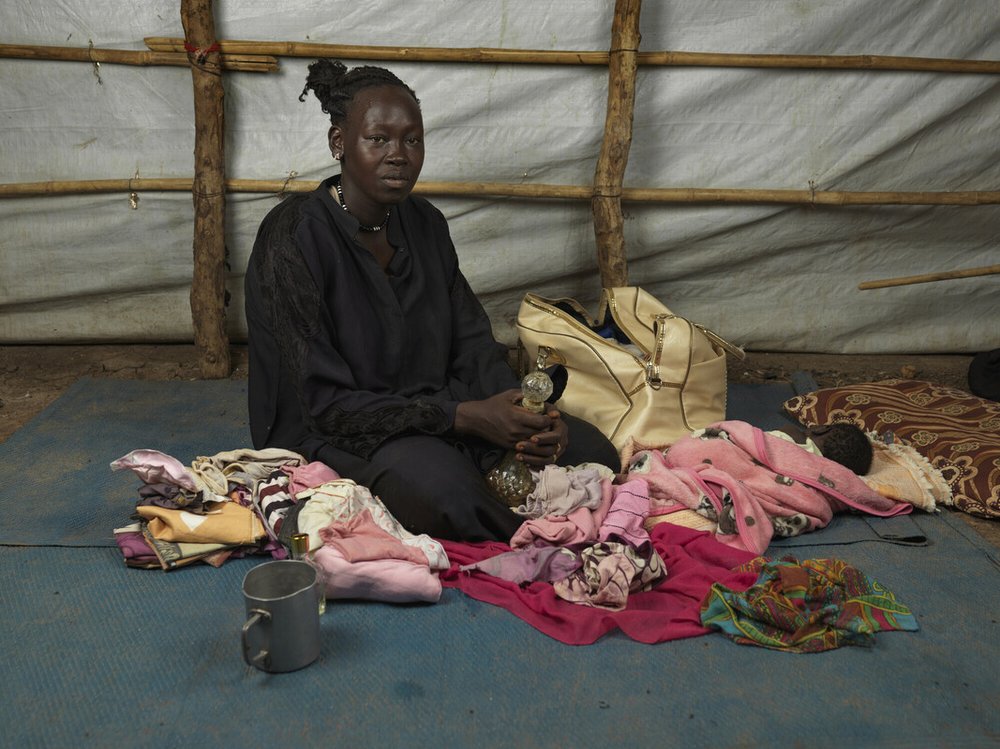
Families in South Sudan are once again having to flee for their lives due to escalating conflict at a time when hunger is already at catastrophic levels, Oxfam warned.

Renewed fighting, which has spread across Jonglei state and into the neighbouring area of Walgak, 100 kilometres from the capital Juba, is deepening an already dire situation, cutting families off from food, clean water and urgent humanitarian support.

Multiple health facilities and aid agencies including Oxfam were looted and staff beaten and forced to flee leading to service suspension and humanitarian staff displacement. Prior to the suspension of life-saving assistance, Oxfam was supporting more than 400,000 people in Jonglei through food security and resilience programmes.

A frightening number of people in South Sudan are already severely hungry as conflict intensifies; families have abandoned farms at harvest and their cattle are either looted or lost while the fishing grounds remain inaccessible preventing them from planting food crops and feeding their families.  The people of South Sudan desperately need an immediate end to this conflict so that they can get food. We strongly appeal to all parties of the conflict to allow people to safely reach humanitarian assistance.”

Shabnam Baloch, Oxfam’s South Sudan Country Director
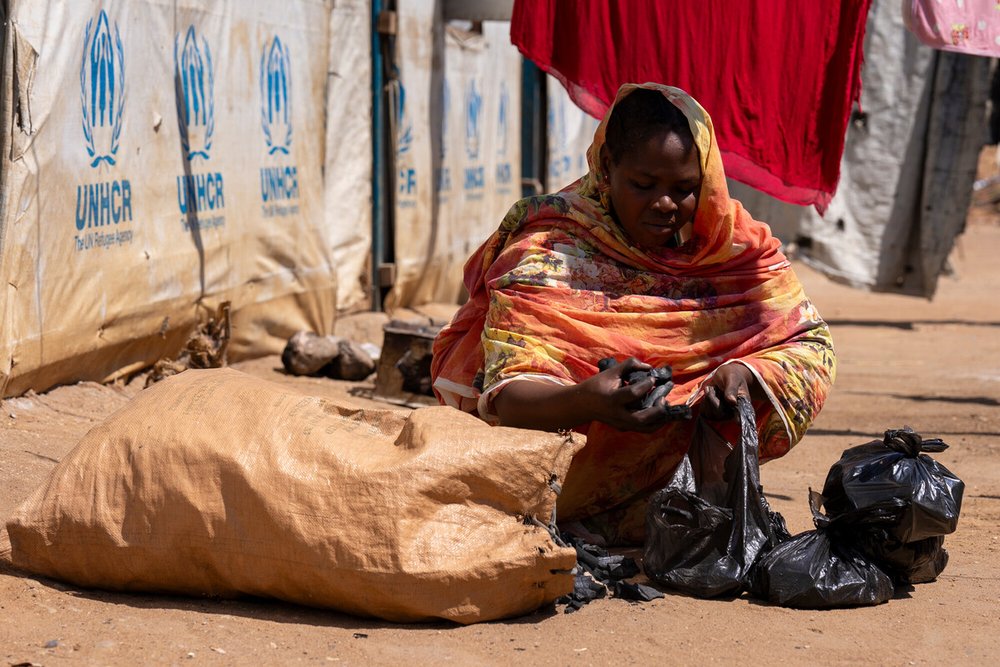
Since December, more than 280,000 people have been forced to flee their homes and are now sheltering in bushes, overcrowded schools and churches where services are minimal to nothing. 75% of those displaced are women and children.

One group of women, who had to walk for three days with their children to Akobo, told Oxfam:

There is a silence that walks beside us on these long roads - a heavy, wordless grief for the things we saw, the things we endured, and the parts of ourselves we had to leave behind just to keep our children moving.  We live in a state of constant fear - not for our own lives, but for the small ones who look to us for a safety we are still trying to find for ourselves.”

South Sudanese women
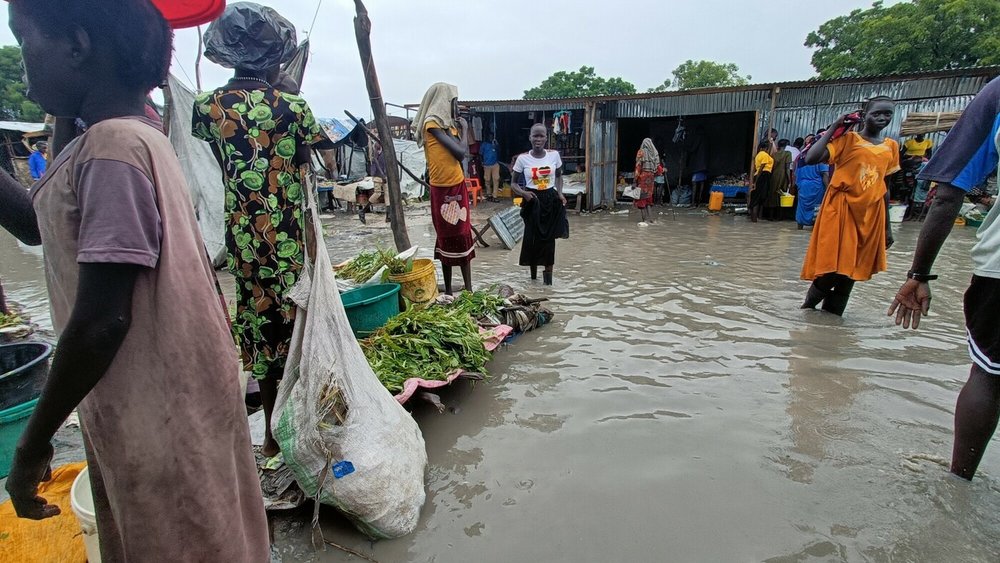
According to Baloch, many of the displaced population are ‘at risk of starvation and have to drink water from contaminated rivers and swamps’. Oxfam assessments found that, in some areas, 100% of the population are having to rely on unsafe water, with many forced into open defecation, creating a breeding ground for diseases. In January alone there were more than 400 cases of cholera, and the situation is only set to get worse as more people are forced to move.

With the rainy season approaching in March, humanitarian access would shrink even further as road access becomes impassable pushing already affected communities to the edge.

In 2026, the UN humanitarian response plan for South Sudan highlighted that over 10 million people - two-thirds of the population are projected to require some humanitarian assistance including 7.5 million people who are at risk of starvation.

People can donate to Oxfam Emergency Response to provide vital support to those most at need.

Press contact

For comments, interviews, or information please contact the Oxfam GB Media Team: