South Sudan evacuation order removes humanitarian support for over 200,000 people and deepens catastrophic conditions

• Published:
• Short URL: https://www.oxfam.org.uk/mc/q7ujuh/

The evacuation order for the northern border town of Akobo East in South Sudan, which forced tens of thousands of people - including all aid agency staff – to leave at the weekend, has closed critical humanitarian programmes for over 200,000 people and deepened catastrophic conditions, Oxfam said today.

Evacuated Oxfam staff are reporting that even before the latest escalation, the humanitarian situation was already dire. Communities were under immense pressure, with many families surviving on wild fruits and leaves from the bushes. Akobo East has more than 188,000 residents and was sheltering an additional 82,000 people displaced by conflict from other parts of Jonglei State.

With the evacuation order, thousands of families are facing secondary displacement. More than half of the displaced people are women and children.

This evacuation order has forced the closure of all humanitarian support. It is outrageous. Living conditions were already extremely bad and now exhausted people, many of whom were already displaced, have been forced to move yet again because of the spiralling conflict.”

Shabnam Baloch, Oxfam’s South Sudan Country Director

On Friday 6 March the order was given by the South Sudan People's Defence Forces for everyone - including hundreds of UN and aid agency staff - to evacuate within four days.

I was struck by the crushing sight of families being forced into the wilderness yet again. These were the same people who had arrived from Walgak only weeks ago, weary but hopeful that they could finally set down their heavy bundles and rest. Watching them walk into the haze of uncertainty was heartbreaking; I saw women, the true face of this crisis, balancing their entire lives in their hands. With infants on their backs and toddlers clutching their dresses, they moved toward a horizon where neither the next meal nor the safety of the path is guaranteed. They only know they must keep walking. The world cannot afford to look away.”

Alfred Chandonga, Oxfam Project Manager
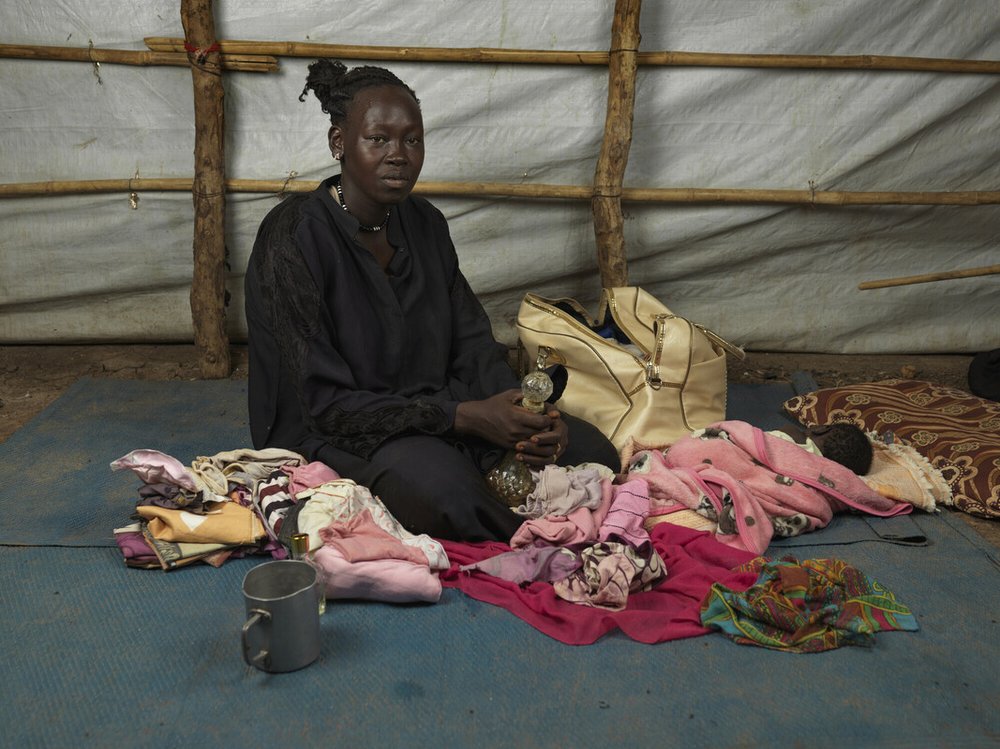
Most of the displaced population have fled to Tergol, a key border crossing point for South Sudanese refugees while 37,000 people have crossed into the Gambella region of Ethiopia, on top of around 78,000 people who had already arrived there in January, according to UNOCHA in South Sudan.

This additional population movement is placing even more strain on Gambella which hosts over 450,000 South Sudanese refugees.

Support to new asylum seekers from South Sudan has become increasingly difficult in Ethiopia due to funding cuts as several organisations have had to reduce essential services.

Oxfam, which leads on providing clean water and sanitation services, has been forced to scale down its operations reaching even fewer people at a time when needs are increasing.

The South Sudan 2026 humanitarian response plan projects that over 10 million people - two-thirds of the population – will require some humanitarian assistance including 7.5 million people who are at risk of starvation.

Oxfam is calling on all parties in South Sudan to de-escalate the conflict and prioritise the protection of civilians and guarantee safety of humanitarian access to populations in Akobo county, including at the border with Ethiopia.

People can donate to Oxfam Emergency Response Fund to help Oxfam provide vital support to those most at need.

Press contact

For comments, interviews, or information please contact the Oxfam GB Media Team: