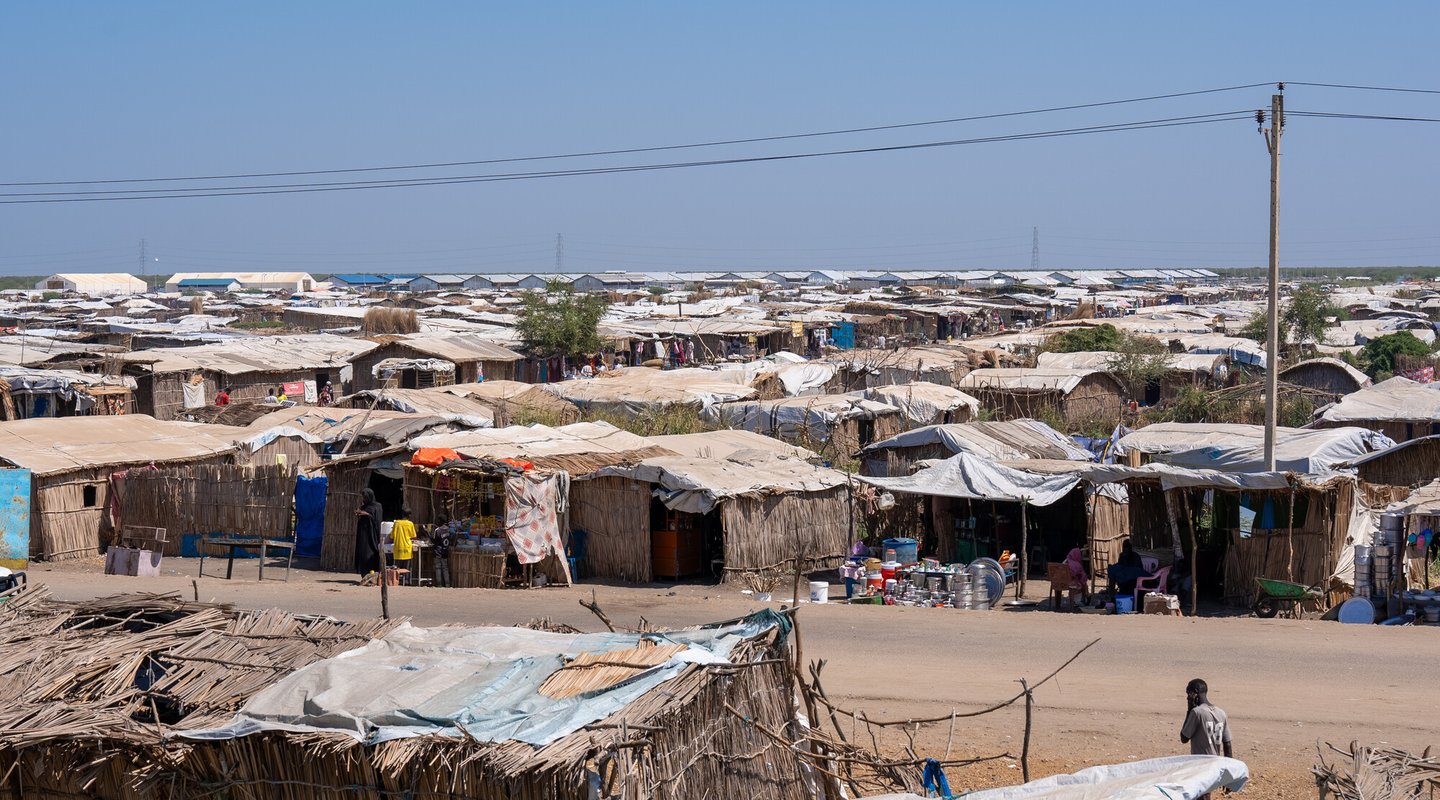
Overview of the Renk transit centre that is hosting hundreds of thousand of people fleeing the conflict in Sudan. Credit: Herison Philip Osfaldo/Oxfam.
What’s happening in Sudan – and why you’re not hearing about it
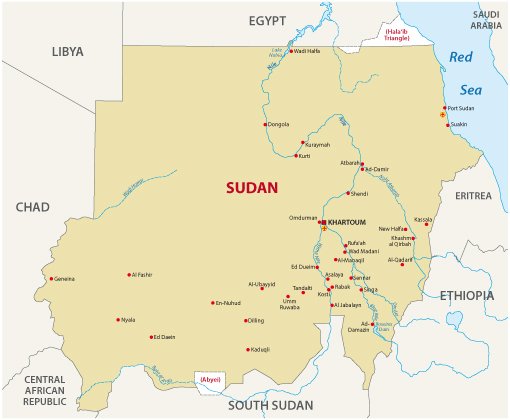
A devastating crisis is unfolding in Sudan and across the wider Central and East African region.
Nearly 21 million people are facing violence and severe hunger, and 12 million have been forced to flee their homes. It's become the largest humanitarian crisis in the world. Yet in the UK, it’s barely making the news.
Here’s what’s happening, why it’s a hidden crisis, and what you can do to help.
Last updated: 24 February 2026
What’s causing the crisis in Sudan?
“An artillery shell hit my house, killing my nursing infant. My eldest daughter was injured. I am also suffering.”
Aluel, Renk Transit Centre, South Sudan
How is the Sudan crisis affecting people?
Aluel fled conflict in Sudan after experiencing deep personal loss. She is now living in Renk Transit Centre in South Sudan.
She shares what it was like to leave her home and the conditions she faces in the camp.
“For the past four years, it is either flood, drought, famine or violence. This is too much. I am tired of living. If it continues like this I doubt whether my girls will become adults."”
Nyadang Martha, South Sudan
How to help people affected by the crisis in Sudan
The crisis is spreading across the wider Central and East African region
“Families are being forcibly displaced into areas where conditions are already dire. Some are injured and barely able to move. Many are at risk of starvation and having to drink water from contaminated rivers and swamps. The situation is beyond desperate.”
Shabnam Baloch, Oxfam’s South Sudan Country Director
Oxfam’s response to the Sudan Regional Crisis
Where Oxfam is responding
South Sudan
Oxfam is responding to the urgent needs of people arriving in South Sudan from Sudan’s conflict. Hundreds reach transit centres in Renk every day, while around 10 million people – mostly women, children, and older adults – urgently need assistance.
Despite severe funding cuts, Oxfam remains committed to providing the essential services people depend on, including:
- Clean water, cash, and hygiene kits to help families get the essentials they need
- Safe water systems, hygiene facilities, and latrines to keep communities healthy
- Help to earn a living and provide for their families, such as access to cash, resources, or small-scale work opportunities
- Support for women’s safety through cash, menstrual items, dignity kits, and solar-powered flashlights
Elsewhere in South Sudan
In Jonglei, a remote state in eastern South Sudan, conflict, flooding, and poor roads leave many people cut off from food and basic services. Oxfam and local partners are providing emergency food to local communities.
Chad
In Chad, Oxfam is supporting people who have fled violence in Sudan, including many women, children, and older people. Around 7 million people need humanitarian help – nearly 40% of the population. This includes:
- Emergency cash so families can buy food and cover other basic needs
- Clean water, hygiene promotion, and building toilets to help prevent diseases like cholera
- Protecting women and girls by raising awareness of their rights, checking on cases of gender-based violence (GBV), and connecting survivors to support services
- Financial support to GBV survivors so they can pay for things they need to stay safe, get medical care, or rebuild their lives
Why you’re not hearing about the conflict in Sudan
What are the solutions to the Sudan humanitarian crisis?
“The people of South Sudan desperately need an immediate end to this conflict so that they can get food. We strongly appeal to all parties to the conflict to allow people to safely reach humanitarian assistance.”
Shabnam Baloch, Oxfam’s South Sudan Country Director.