Kaff Media/ Oxfam
Why GDP fails women: the hidden value of unpaid care work
Women carry out billions of hours of unpaid care work every day, yet GDP ignores it. Professor Naila Kabeer of the London School of Economics explains why this makes the GDP a flawed metric and explores the growing interest in alternatives to measuring progress and economic health.

Why GDP is a flawed measure of progress
“Almost two-thirds of women’s weekly working hours – and 45 percent of the total for all adults – do not enter estimates of GDP because they do not enter the market.”
Professor Naila Kabeer, London School of Economics
How GDP erases women's contributions to economic growth
Ahmed Al-Basha / Oxfam Intermón
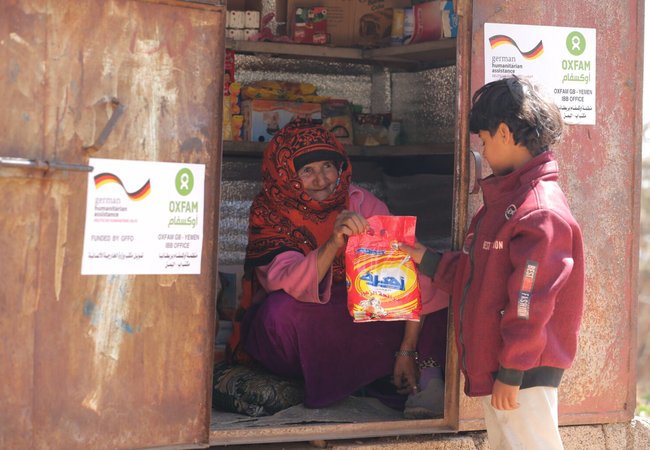
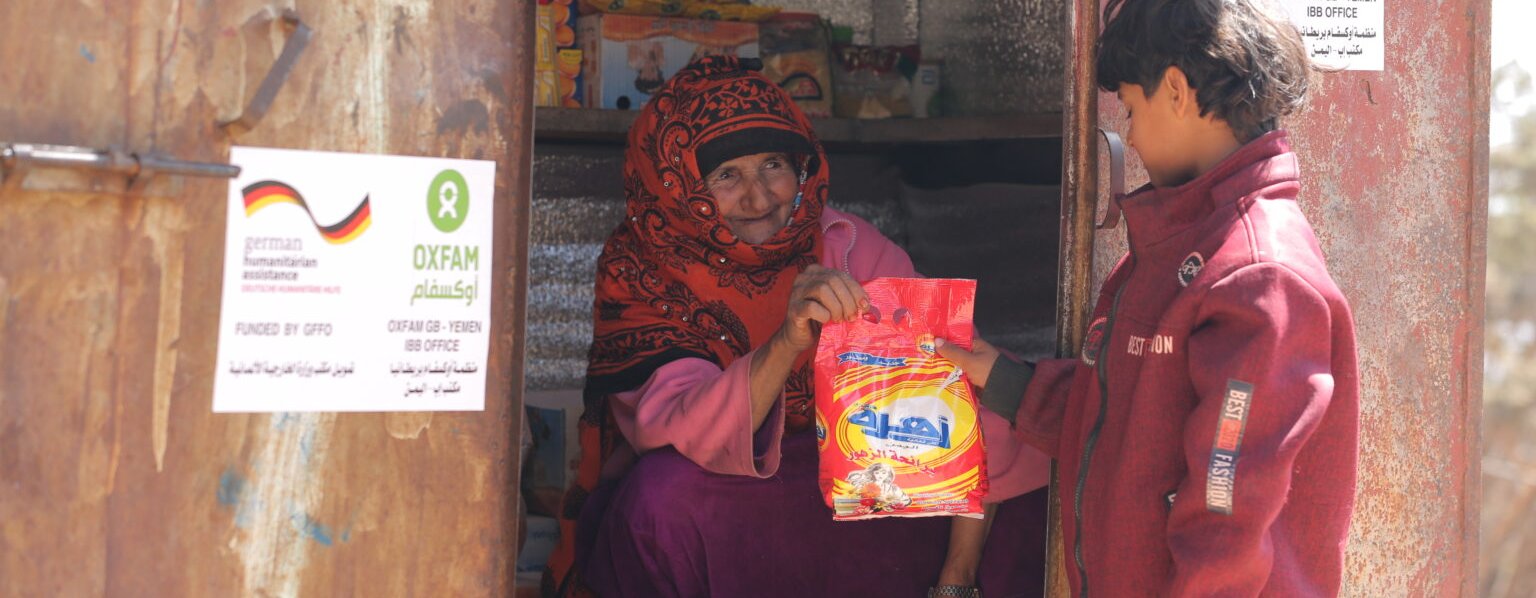
I am the breadwinner of the family because my eldest son and my husband are both sick.”
Warda Abdo's family lives in Al Shamayatain district, Taiz, Yemen and faces severe hardships after her husband's stroke and illness, leaving Warda as the sole caregiver.
Better ways to measure wellbeing and progress
About the author
More posts like this
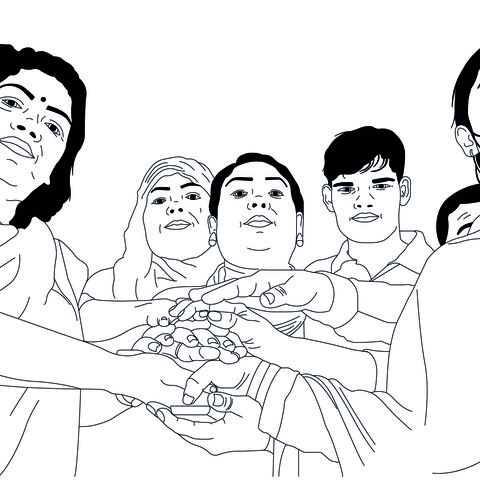
– Oxfam discusses calls for new economic measures that moves beyond GDP and centres people, equity and the planet.
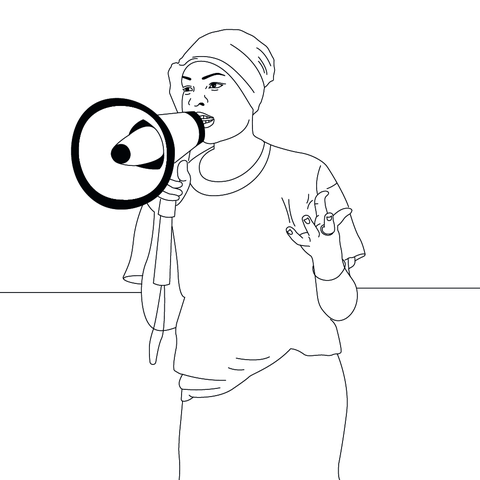
To value all women's work, we must redefine what 'work' means so it includes all the work women do – paid and unpaid.