Gaza still faces acute food insecurity

• Published:
• Short URL: https://www.oxfam.org.uk/mc/pmqo6n/

International report shows gains since ceasefire but situation remains highly fragile.

Mosab Al-Borno/ Alef Multimedia/ Oxfam
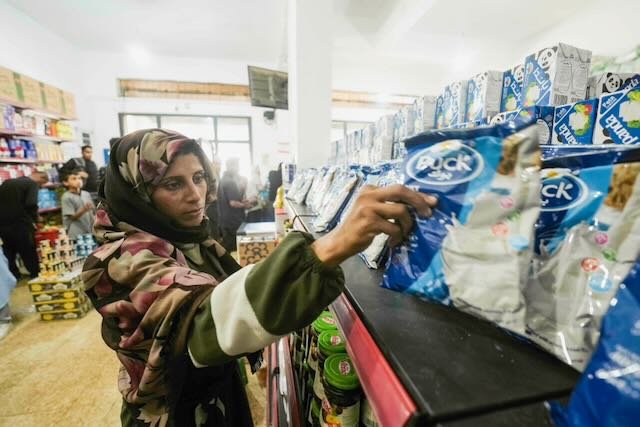
Close-up of a woman reaching for packets of dairy product from a well-stocked shelf as other shoppers queue in the background.

Food prices remain high in Gaza

There remain appalling and preventable levels of hunger in Gaza. Israel is allowing far too little aid to enter even as it continues to actively block aid requests from dozens of well-established humanitarian agencies. Oxfam alone has $2.5m worth of aid including 4000 food parcels, sitting in warehouses just across the border. Israeli authorities refuse it all.”

Marta Valdes García, Humanitarian Director, Oxfam

Devastation in Gaza. Photo: Fady Hanona
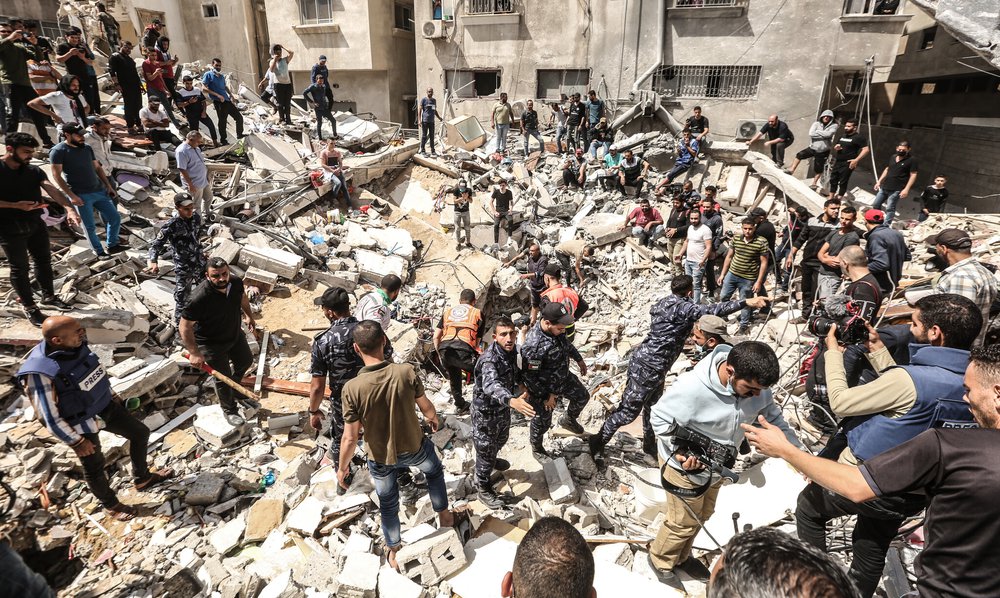
Devastation in Gaza. Photo: Fady Hanona

Devastation in Gaza

Marta Valdes García added: “With 1.6 million people found to be facing acute food insecurity, including 100,000 in Catastrophe (IPC level 5), we are incredibly concerned that winter is already bringing flooding and more misery to thousands of hungry people with little or no money, who are now exposed in terrible living conditions. Israel’s control and ongoing illegal blockade has created a humanitarian response that is restricted, unpredictable and totally inadequate to the human crisis at hand.” 

Following the ceasefire declared on 10 October 2025, the latest Integrated Food Security Classification (IPC) indicates notable improvements in food security and nutrition compared to the August 2025 analysis, which detected famine.

Despite these gains, in October-November 2025, most people in Gaza faced high levels of acute food insecurity. This includes over 500,000 people facing Emergency (IPC Phase 4) and more than 100,000 still experiencing catastrophic conditions (IPC Phase 5).

The Integrated Food Security Phase Classification (IPC)is an innovative multi-partner initiative for improving food security and nutrition analysis and decision-making. By using the IPC classification and analytical approach, governments, UN agencies, NGOs, civil society and others, work together to determine the severity and magnitude of acute food insecurity and acute malnutrition situations according to internationally recognised scientific standards.

Press contact

For comments, interviews, or information please contact the Oxfam GB Media Team: