The demand to transfer personal data raises acute security and legal risks. It exposes national staff to potential retaliation and undermines established data protection and confidentiality safeguards. For European organisations in particular, compliance would create serious legal and contractual liabilities. More broadly, such requirements set a precedent that could chill principled humanitarian engagement in highly politicised contexts.
International NGOs have proposed practical alternatives, including independent sanctions screening and donor-audited vetting systems, that preserve both compliance and staff protection without disclosing personal data. No substantive response has been provided. Enforcement has meanwhile begun in practice, including blocked supplies and denial of visas and access for foreign staff.
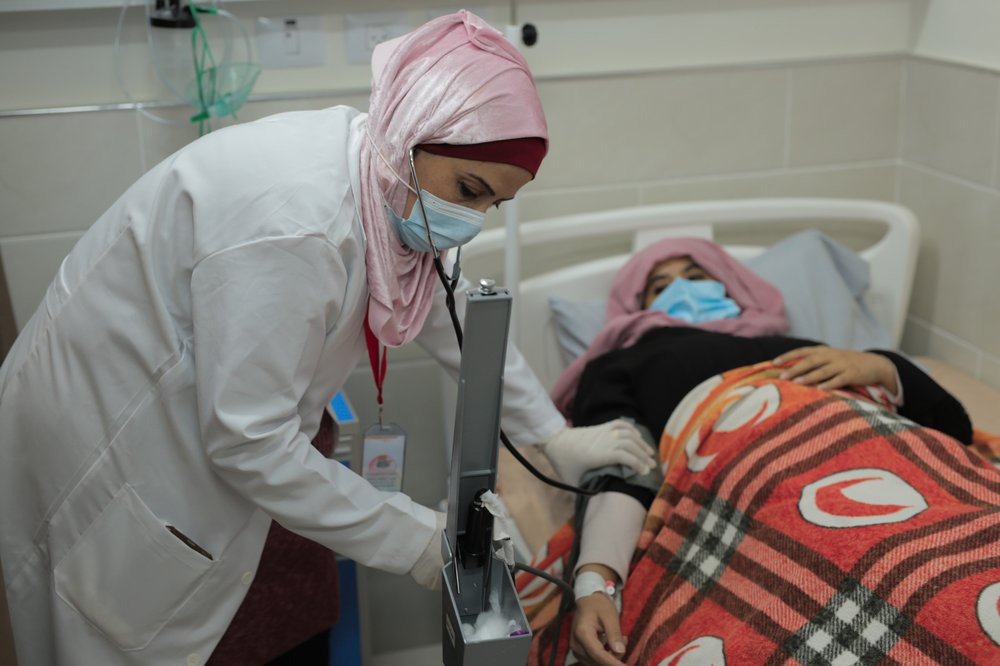
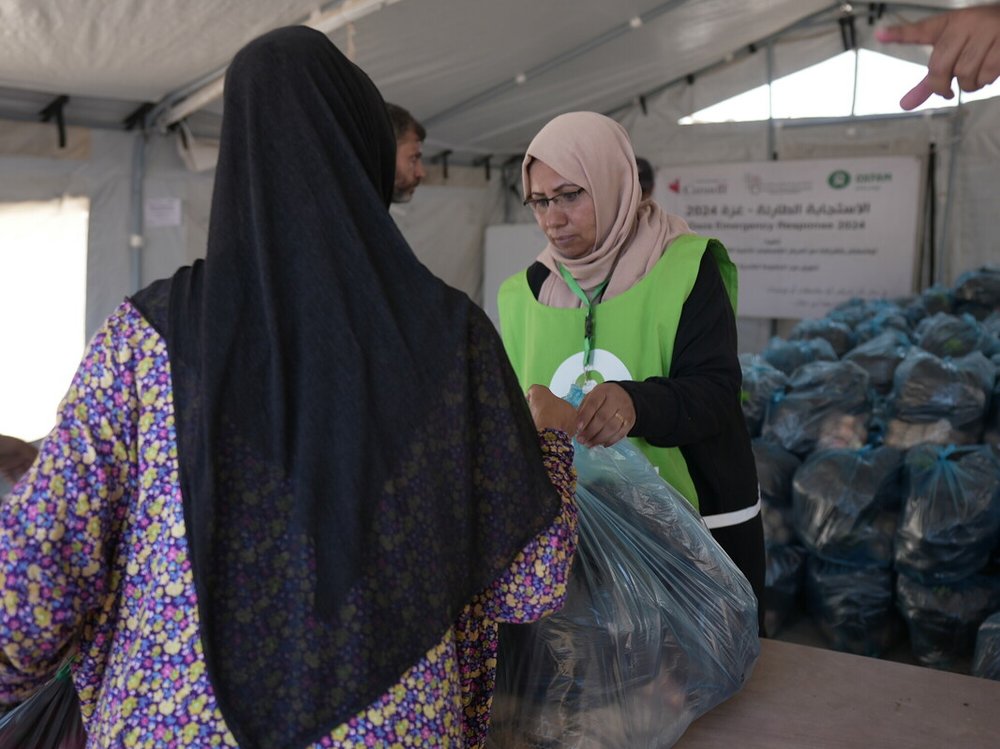
Alongside UN agencies and Palestinian partners, international NGOs support or implement the delivery of more than half of all food assistance in Gaza, 60 per cent of field hospitals’ operations, nearly three quarters of shelter and non-food item activities, all inpatient treatment for children suffering severe acute malnutrition and 30 per cent of emergency education services, in addition to funding over half of explosive hazard clearance.
The petition seeks an urgent Interim Injunction to suspend expiry of registrations and prevent further enforcement pending judicial review. The petitioning organisations contend that these administrative measures constitute an effort to curtail established humanitarian operations in a manner incompatible with the obligations of an occupying power under international humanitarian law.