Loliwe Phiri/Oxfam

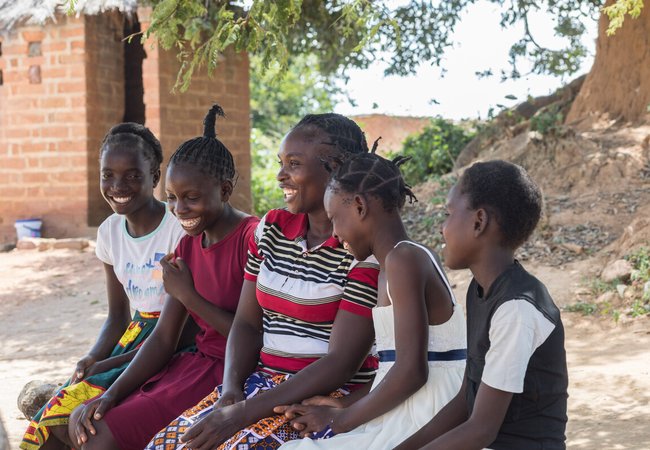
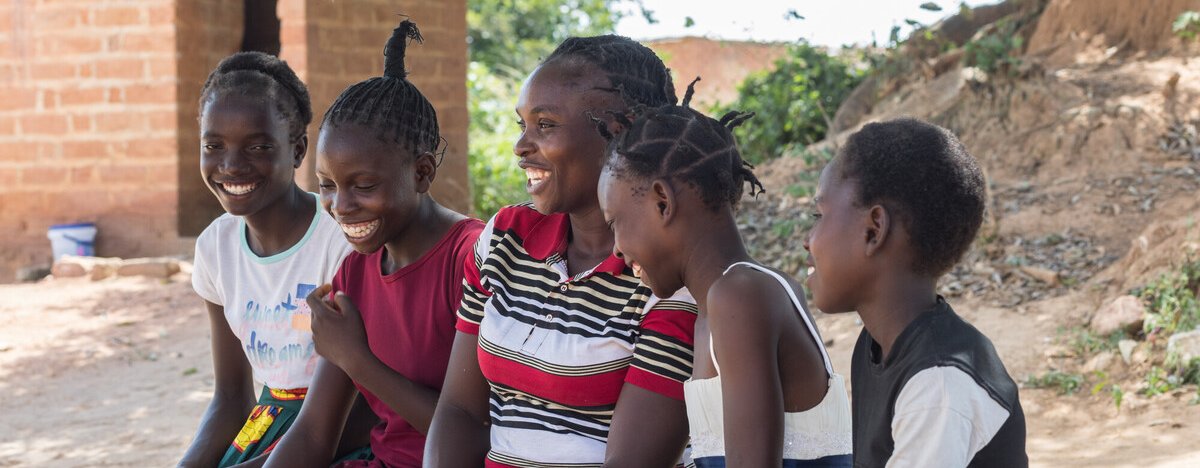
Angela is sitting with her four daughters outside their home in Namwala, Southern Province, Zambia

Why feminist movements matter

Celebrating Bread and Roses on International Women's Day

Victoria Stetsko introduces Oxfam’s “Feminist Power” campaign for International Women’s Day, where we celebrate organisations across the globe fighting for rights and respect for women and queer people.

Oxfam's Feminist Power campaign

"Hearts starve as well as bodies: give us bread, but give us roses," sang striking women workers in the early 20th century United States. That movement’s famous demand for "Bread and Roses" – expressing a desire not just for higher wages, but for dignity, rights, respect and equality – is still a huge inspiration to those of us campaigning over a century later.

Feminist movements have forged transformative change since the first International Women's Day more than 100 years ago with radical and still relevant slogans of 'Bread and Roses'.”

Neelanjana Mukhia, Oxfam International Gender Justice Director

For International Women’s Day, Oxfam will be asking people and organisations across the globe to support, celebrate and fund the modern successors to those “Bread and Roses” campaigners. Our 2023 campaign, under the banner of "Feminist Power", will be spotlighting organisations from Kenya to Colombia and speaking about feminist solutions that challenge the status quo.

Peter Irungu/Oxfam

Small grants have been provided to help more than 6,000 women in 55 groups in Marsabit County, Kenya to re-stock their goat herds, grow vegetables, and launch businesses to diversify their income sources.

Backing our campaign could mean everything from simply following and amplifying feminist organisations in your country, to donating and volunteering for them, to asking your government to include them in decision-making processes and fund them. Doing any of this, we will say, means being on the right side of history.

Celebrating feminist leadership across the globe

That means celebrating organisations such as FEMNET, a pan-African, feminist network that has connected organisations and women to become a powerful outlet today for the voices of women across the continent.

FEMNET’s work on everything from climate justice to women’s leadership to sexual and reproductive rights is shifting power on the African continent and beyond – mobilising women to campaign for their rights, and pushing governments to implement their commitments to gender equality.

African women are a feminist power! We came together to make our voices heard and our needs and aspirations – prioritized in decision-making spaces.”

FEMNET, Pan-African feminist network.

Feminist economic alternatives for a fairer future

We also highlight movements that are pushing feminist alternatives to the austerity that is blighting so many women’s lives across the world.

Movements led by organisations such as Mesa de Economia Feminista (MEF), a Colombian organisation that highlights intersectional inequalities, and is building a new framework of feminist economics and a new development model focused on sustainability.

Why feminist movements are essential in response to the pushback on rights

The energy and radicalism of such movements are needed more than ever as we seem to be at a crossroads when it comes to gender equality and rights. In recent years, progress has been slowing down and the anti-gender and anti-rights pushback has grown bigger.

The rise of anti‑rights movements and its global impact

The fruits of anti-gender mobilisation are taking threatening forms in different parts of the world – hard-won rights and freedoms for women, girls and queer people are being threatened, and in extreme cases revoked.

We’re witnessing ultraconservative leaders and influencers come to prominence, anti-rights actors such as CitizenGo growing their financial and political power, including in international human rights spaces.

Meanwhile, so-called “gender ideology” and other anti-rights discourses are pushing out feminist calls for inclusion and intersectionality.

Now is the crucial time to support feminist power. Without it, our efforts for a more equitable future are doomed.

The transformative power of feminist and queer movements

The movements that we spotlight show that a more equitable future is possible.

We can see the positive transformations that the efforts of feminist and queer movements have brought to societies across the world. From first-wave feminists’ fight for women’s right to vote to our current struggles for bodily autonomy, same-sex marriage and other political, social, economic and cultural rights.

Why feminist power leads to safer, fairer and more peaceful societies

Our call for feminist power is a call to support and amplify the movements that will change the reality for women and queer people. Research demonstrates that a strong feminist movement is the single most important factor to ensure strong protections against gender-based violence.

Other studies show that women’s meaningful participation in peace processes results in peace agreements lasting longer.

And, as an anti-poverty organisation, Oxfam is calling for the world to pay attention to rethinking patriarchal and capitalist value systems that:

  • deprive women, girls and queer people of power;
  • treat them as expendable; and
  • force them to bear the consequences of choices made by powerful men.

Our vision is “The future is equal”, a vision for a future where everyone irrespective of their sex and gender enjoys their full rights and gets the respect they need to thrive, not just survive. A future, in other words, where women and queer people get both bread and roses.

This International Women’s Day we will be shouting from the rooftops that supporting feminist and queer movements across the globe means supporting that future. Are you with us?