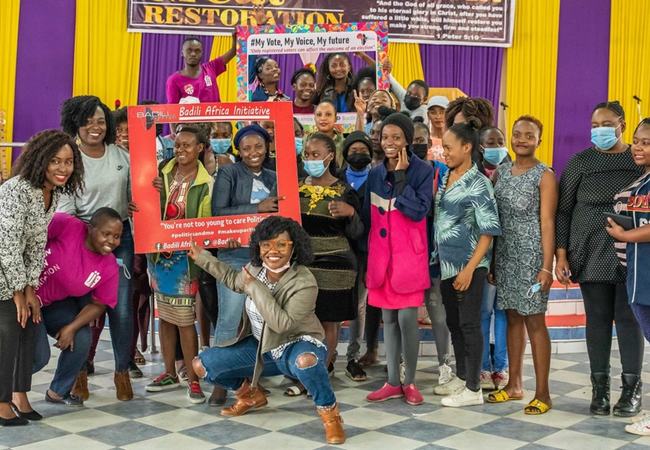
A workshop for young Kenyan women in informal settlements on influencing local government. Photo: Peter Oryem/Badili Africa

How INGOs can decolonise compliance and build fairer partnerships
As international NGOs (INGOs), we need to stop assuming partners are risky, respect local standards, accept we should prove ourselves as much as partners do, and slash the form-filling, says Oxfam compliance advisor Dominic Vickers.

The case for decolonising compliance in the aid sector
The problem with traditional compliance systems
Seven ways to transform INGO compliance
“[We] wanted to explore models that are more appropriate, inclusive and equitable so that we can bring in a wider spectrum of humanitarian actors who have been traditionally marginalised by the prevailing compliance system.”
Vincent Henson, Due Diligence Manager of Start Network.
Peter Irungu/Oxfam
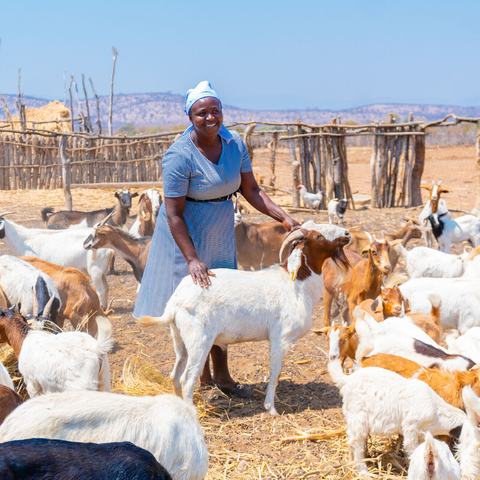
Darare Gonche Saldesa founded the Indigenous Rights and Resource Management Organization (IREMO) in 2013. The organisation confronts social injustices rooted in traditional laws and practices, and supports vulnerable women and girls with access to health, education and employment.
IREMO has been a partner of the Women's Rights Fund since 2021.
“We can’t say systemic change is on the way but, looking at the monolithic structure, we can see cracks appearing all over it as a result of these conversations.”
Antonia Potter Prentice, Director of Alliance 2015
Oxfam's reaction to the webinar outcomes
More posts like this
– In a collaboration between INGOs six practical actions were identified on how to fund local partners fairly through indirect cost recovery.

Our partners have gone from strength to strength in building effective and credible organisations.