Aid cuts left DRC blind to Ebola

Published on

Oxfam is responding after the World Health Organisation declared the Ebola outbreak in the Democratic Republic of Congo as a Public Health Emergency of International Concern (PHEIC) - with over 400 cases and 89 deaths confirmed.

John Wessels/Oxfam
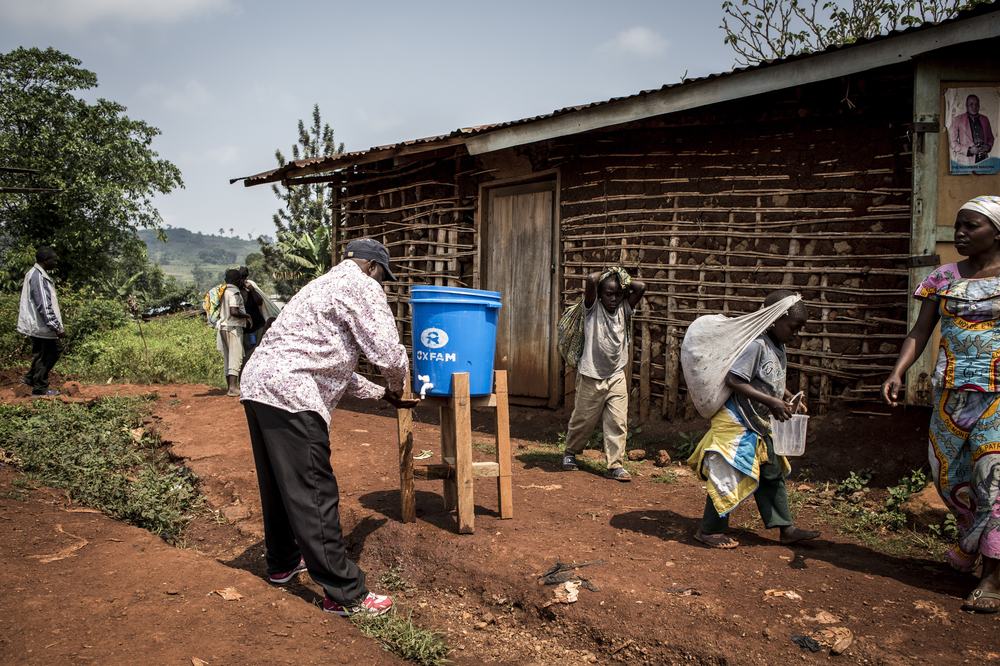
A man washes his hands under a bucket with a tap outside as people walk past.

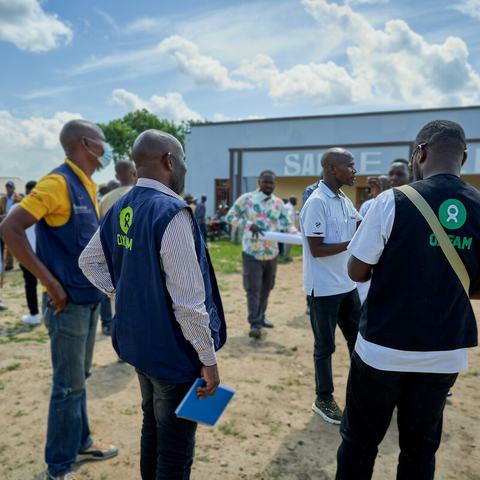
Oxfam teams are visiting areas close to the epicenter of the Ebola outbreak in the Democratic Republic of Congo, to collect data and assess what support is needed. The current outbreak is centred in DRC’s Eastern Ituri province where there have been 600 suspected cases and at least 139 deaths reported.

The area is affected by armed conflict which has accelerated the breakdown of the health system, leaving millions of people exposed to disease. The armed conflict is also making access very challenging.

There are already deaths in the community; when people die at home, it means there are many more undetected cases. Yesterday alone, we had 15 confirmed cases in isolation. By the time patients reach us, it is often too late to save them."”

Doctor in Mongwalu Health Zone, Ituri/

With millions lacking access to functioning health facilities, this novel strain risks an already catastrophic crisis over the edge. This outbreak is hitting a country already stretched to breaking point. Ongoing conflict and years of aid cuts have deepened a humanitarian crisis of staggering scale: one in four people are going hungry. Those same aid cuts left DRC effectively blind to Ebola, weakening the surveillance systems that should have detected this outbreak weeks earlier.

The crisis is arriving at a moment of critically depleted humanitarian funding. Without urgent financial assistance, efforts to save lives risk being fatally undermined.”

Dr Manenji Mangundu, Country Director Oxfam in DRC

Press contact

For comments, interviews, or information please contact the Oxfam GB Media Team: