DRC Ebola outbreak likely far larger than reported as water and sanitation systems collapse, Oxfam warns

Published on

Funding cuts and shortages of essential supplies are hampering the response
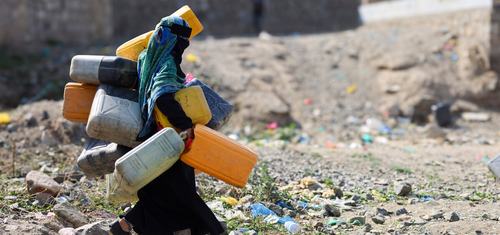
Only one in five health facilities in Ituri, one of the epicentres of the Ebola outbreak in the Democratic Republic of the Congo (DRC), has access to enough clean water, according to new Oxfam field data. The findings raise urgent concerns about the spread of the Bundibugyo Ebola virus as access to clean water remains the first line of defence against transmission - raising fears that the true scale of the outbreak is underestimated.

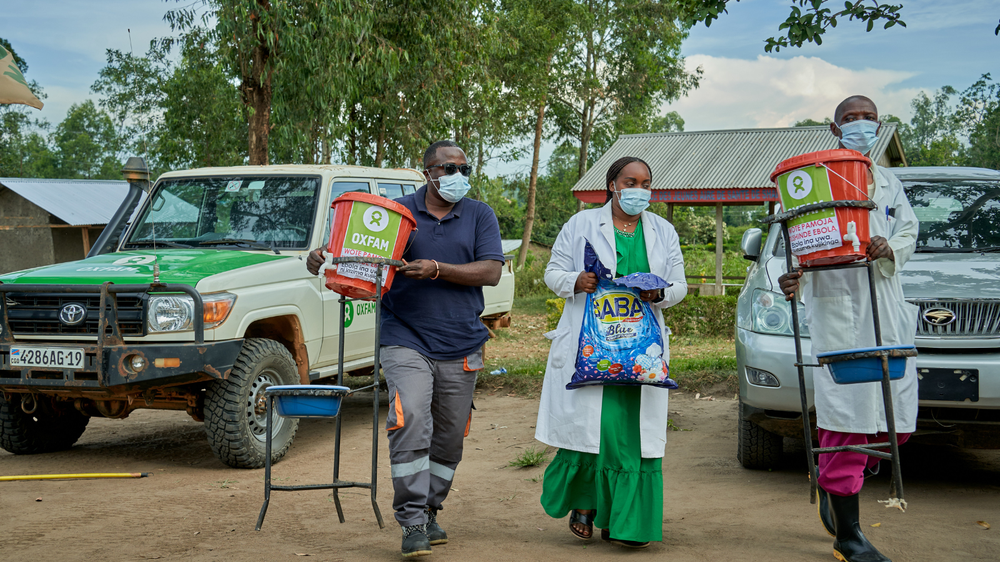
Handwashing kits received at a health centre
Oxfam’s field data shows that in Mongbwalo, a town of nearly 140,000 people and one of the outbreak's epicentres in Ituri province, only 20 percent of people have access to clean water and 25 percent of people - to functional sanitation and hygiene facilities. Many families are forced to use water contaminated by chemical runoff from mining operations.

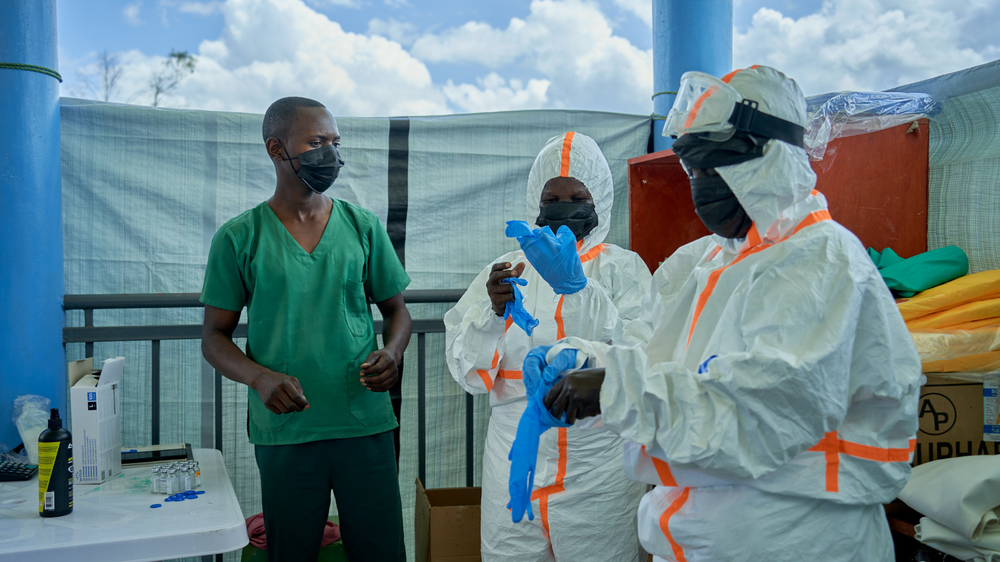
These findings highlight a wider crisis across Ituri province: contaminated water sources, collapsed handwashing infrastructure and healthcare centres struggling to safely dispose of infectious waste, while many frontline workers still lack basic protective equipment. The near total collapse of sanitation and hygiene infrastructure is hampering efforts to contain the spread of the virus.

Water - the absolute first line of defence in any public health emergency is simply not available. Miners working in the surrounding areas have no toilets and handwashing stations. Then they return home to communities already battling the virus. Clean water costs 2 dollars for 20 litres. For most families here, that is far beyond what they can afford.”

Oxfam’s Field Response Coordinator in Ituri province, Manel Rebordosa, who is based at the epicentre of the Ebola outbreak in eastern DRC

The US Centers for Disease Control and Prevention (CDC) has confirmed this is now the largest Bundibugyo outbreak on record. The DRC Ministry of Health has reported 781 confirmed cases and 181 deaths across 25 health zones, but Oxfam warns the real toll is likely far higher. Unlike the 2018 outbreak, there is no licensed vaccine or approved therapeutic for the Bundibugyo strain, making clean water and sanitation a critical component of the fight against this virus.

Contact tracing, the backbone of any Ebola response, has fallen to just 43 percent coverage. This sits far below the 79 percent recorded one month into the 2018-2020 outbreak in the same region.

One month into the 2018 outbreak, healthcare workers achieved contact tracing rates where nearly eight in ten known contacts were successfully monitored. Today, following the withdrawal of the US funding for disease surveillance and severe funding shortfalls, contact tracing is reaching fewer than half of the contacts. That gap is not just a statistic, it is a painful reality that allows the virus to spread undetected through communities.”

Manel Rebordosa
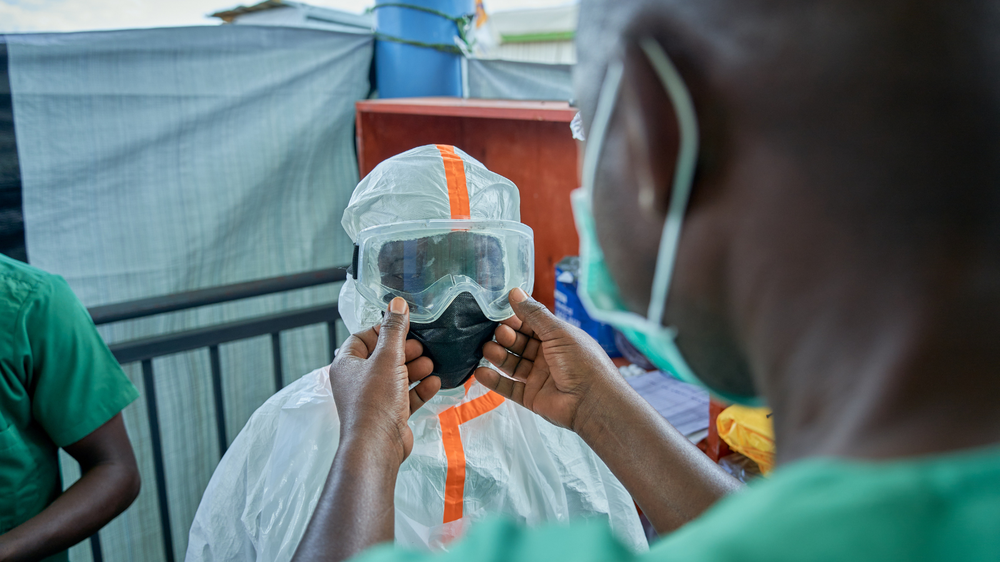
With only 0.2 doctors per 1000 people, and more than 70 health facilities destroyed by conflict, the DRC’s health authorities are struggling to identify new infections fast enough to interrupt transmission. In North Kivu, deaths are being reported in communities before they are ever identified as Ebola cases. Many families are caring for sick relatives at home, unknowingly exposing others to the virus.

Global humanitarian funding for the DRC has been slashed by 46 percent - from $2.58 billion in 2024 to $1.4 billion in 2026 - the lowest coverage rate in a decade, forcing aid agencies to drastically scale back. Local organisations, often the primary responders during outbreaks, have received less than 6 percent of recent humanitarian funding according to the DRC NGO forum.

The aid cuts have forced organisations to reduce outreach community teams stripping away critical pillar of the response. Furthermore, the severe shortage of personal protective equipment, sanitation facilities and clean water infrastructure continue to constrain response operations, making it increasingly difficult to combat both misinformation and the spread of the virus.

When trusted community outreach teams disappear, rumours spread faster than the virus. People now fear healthcare facilities, which they see as deathtraps. Families are turning to traditional remedies, which risks delaying treatment and allowing the virus to spread further. Every day without funding, the virus takes more lives.”

Manel Rebordosa
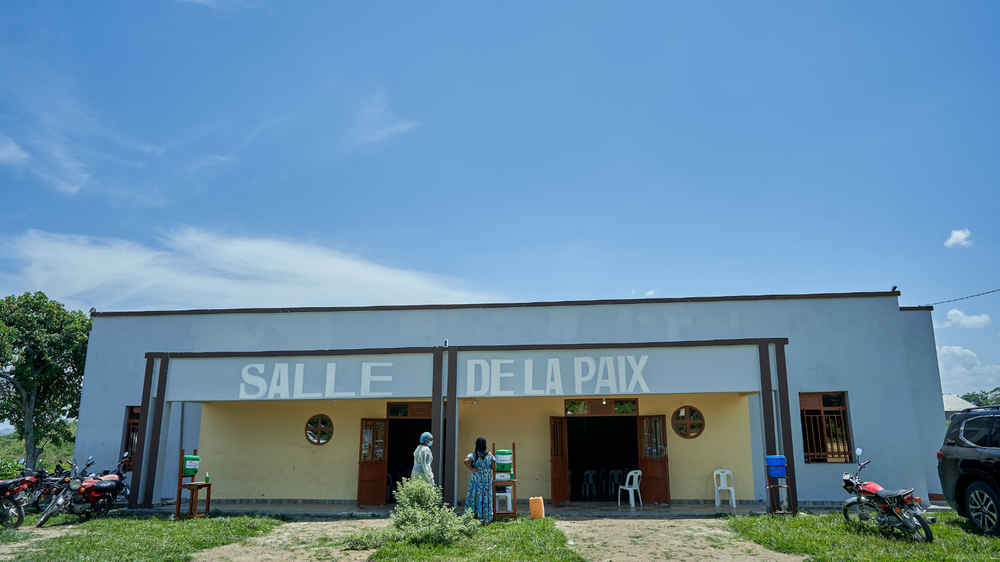
I brought my child to the hospital when I noticed she had a fever and she is now being tested. We are very worried. Here, two houses have been quarantined, and one family lost several relatives after caring for a sick relative, which caused others to be sick. The disease has already killed several people in our community of Shari, in Bunia.”

Tibakanya Mireille, a mother of five in Ituri
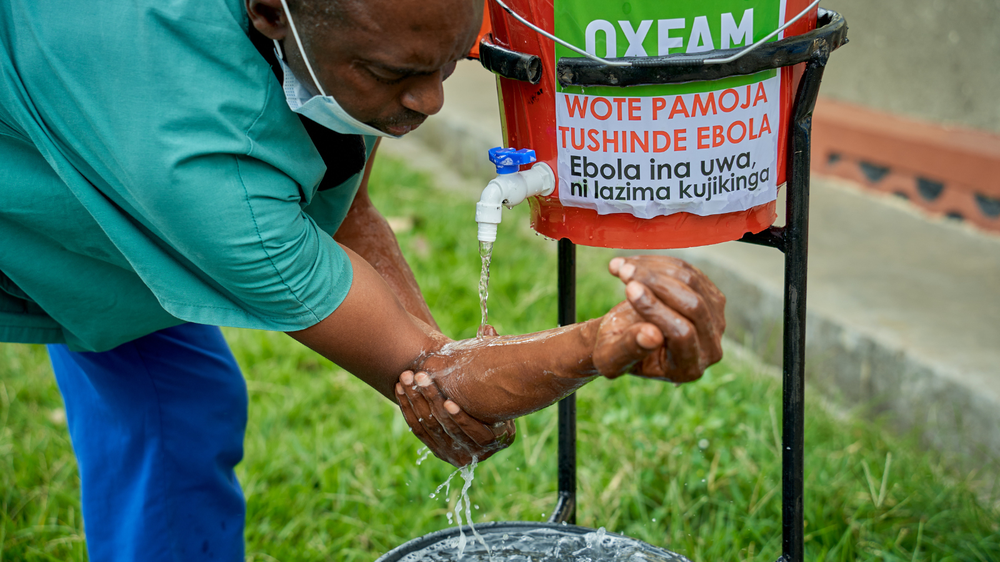
Oxfam is working with partners and has scaled up its response to the Ebola outbreak, mounting an initial $11.6 million six-month intervention to provide clean water and hygiene kits to 200,000 people in Ituri province and to support community-led awareness. However, this falls far short of what is needed.

People can donate to Oxfam’s DRC crisis appeal to help Oxfam scale up its response.

Press contact

For comments, interviews, or information please contact the Oxfam GB Media Team: