How a simple water tank is saving lives on the frontlines of the Ebola outbreak

Published on

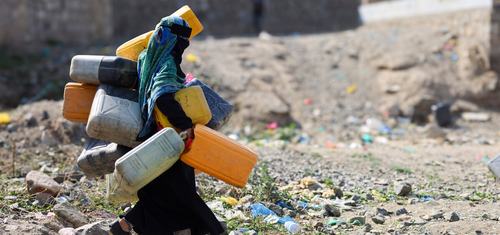
In the dusty gold-mining town of Mongbwalu, in the heart of eastern Democratic Republic of Congo, clean water is a scarce and precious resource.
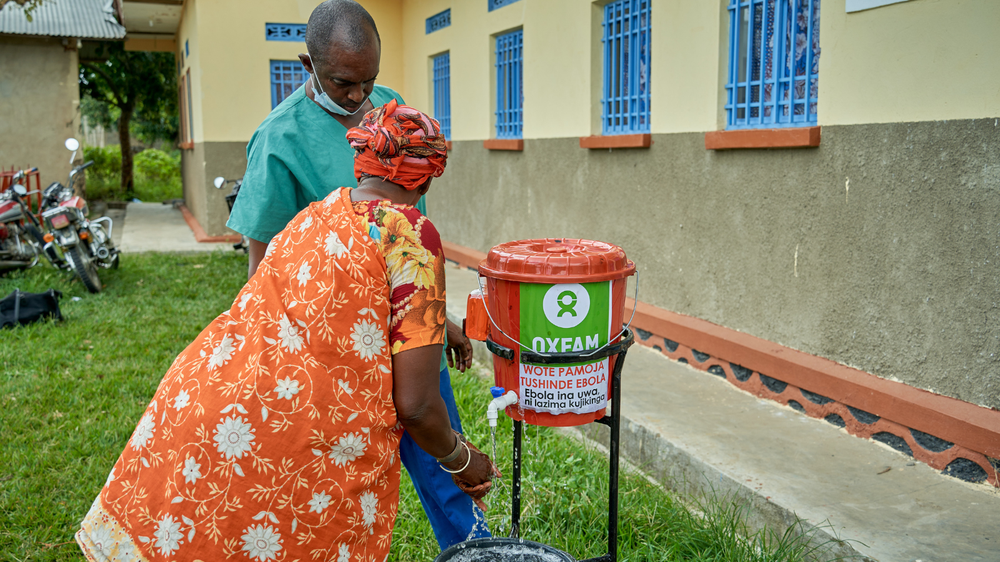
For the town's 140,000 residents, access to safe water can often be the difference between life and death. As Ebola spreads through the region, Oxfam is now helping provide a lifeline through something as humble as a water tap.

With Ebola cases continuing to rise, and water shortages becoming increasingly severe, Oxfam has installed water tanks in Mongbwalu, one of the communities at the centre of the outbreak in Ituri province.

For many families in this town, access to clean water is a daily struggle. Only 20 per cent of residents have access to safe water, while just a quarter can rely on functioning toilets and hygiene facilities. Many people are forced to collect water from sources contaminated by runoff from nearby mining operations.

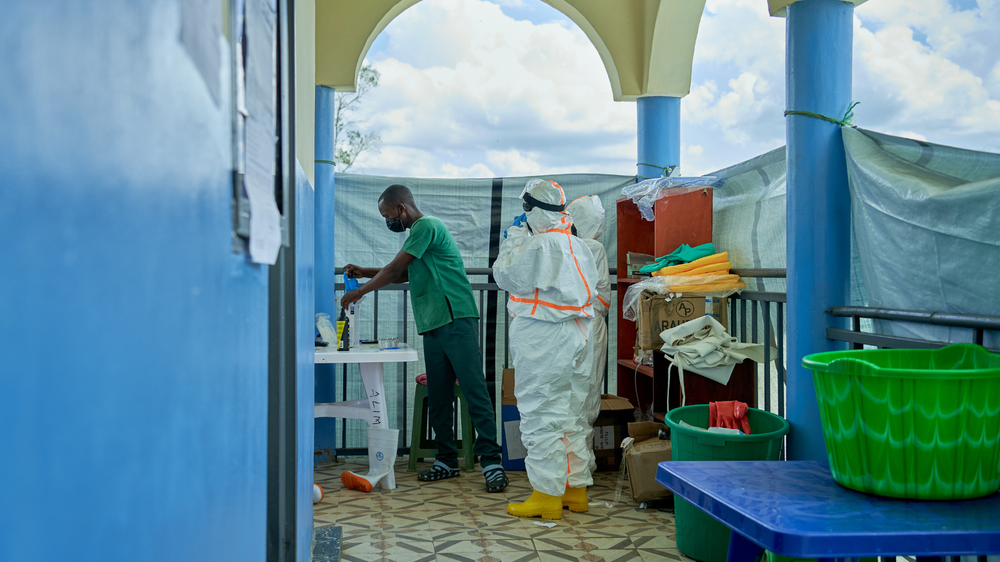
The shortage is also putting pressure on local health services. Health centres in Mongbwalu lack reliable access to water for basic infection prevention and control measures, including handwashing and cleaning facilities. In an Ebola outbreak, where preventing transmission is critical, that gap can have devastating consequences.

To help address the crisis, Oxfam's teams have installed two 5,000-litre water tanks, providing a vital source of clean water for health facilities and the wider community. Together, the tanks can hold 10 cubic metres of water, helping ensure that patients, healthcare workers and the local community have access to the water they need.

As of 13 June, there are 781 confirmed cases and 181 confirmed deaths. Unlike the 2018 outbreak, there is no licensed vaccine or approved therapeutic for the Bundibugyo strain, making clean water and sanitation a critical component of the fight against this virus.

That makes access to clean water, safe sanitation and good hygiene more important than ever. In communities like Mongbwalu, simple measures such as handwashing stations, clean water supplies and functioning toilets are among the most effective tools available to help slow the spread of the disease and protect lives.


People can donate to Oxfam’s DRC crisis appeal to help Oxfam scale up its response.

Press contact

For comments, interviews, or information please contact the Oxfam GB Media Team: