A City on the Brink
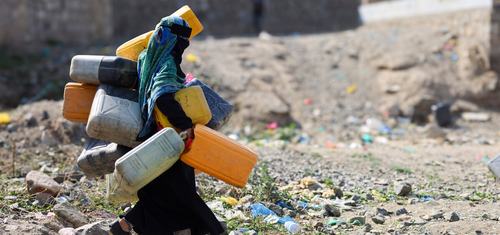
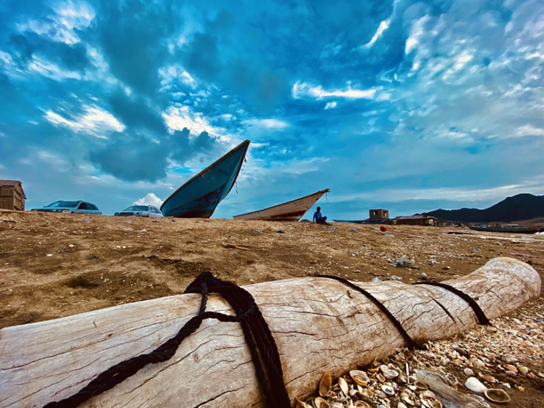
Aden, poised on the edge of the Arabian Sea, is drowning in the very waters that once gave it life. Sea-level rises threaten its shores, bringing with it erosion, flooding, and saltwater intrusion. The infrastructure groans under the weight of an aging sewage system.
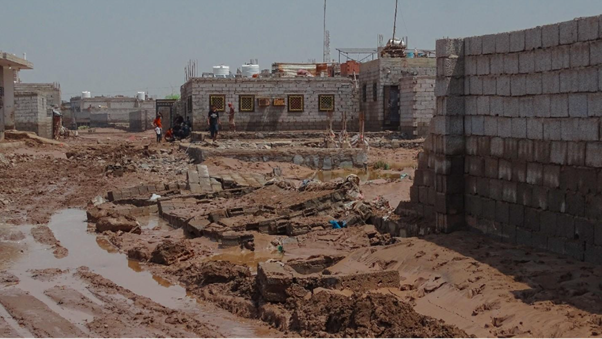
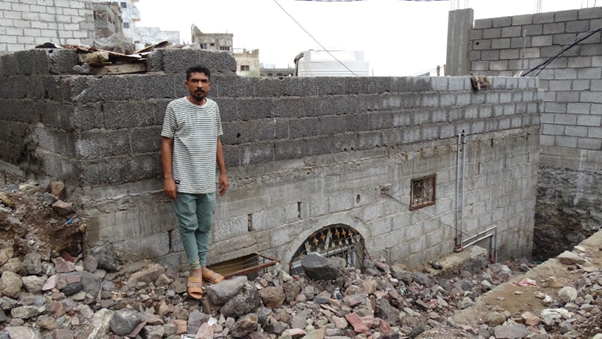
The arrival of seasonal rains often brings as many risks as it does relief. Without proper drainage systems, neighbourhoods quickly flood, damaging homes, cutting off electricity and water, and leaving communities vulnerable to outbreaks of cholera and dengue.
Informal settlements, already fragile, face the highest risk of collapse and displacement. What Aden needs is not only stronger infrastructure to channel rainwater safely, but also effective emergency planning, early warning systems, and close coordination between authorities and communities. Preparing in this way can transform rain from a recurring disaster into a manageable challenge.
"The situation is tragic. Since 2015, government initiatives have stopped, leaving the city vulnerable to an impending disaster."
Jameel Al-Qudsi
Director General of Environmental Emergencies
"Some climate studies predict a rise in sea levels that will affect several low-lying areas and Yemeni coasts, including the city of Aden - which, according to forecasts, is among the ten cities most threatened by climate change and rising sea levels. In some parts of Aden, the elevation ranges between 60–70 centimeters above sea level. If these scientific predictions prove true, these areas will be at serious risk. The Khor Maksar district is among the areas included in the study, which could lead to major economic losses. Infrastructure planning must take into account the construction of sea barriers and breakwaters and their elevation in line with these projections."
Abdulhakim Al-Alaya
Deputy Minister for the Environment Sector
"We need to support national institutions so they can become resilient and prepared to face natural disasters, and to develop policies that align with international approaches while adopting flexible measures to reduce disaster risks."
Abdulhakim Al-Alaya
Deputy Minister for the Environment Sector
"To reduce natural disasters, we start by developing scientific knowledge about disasters and analyzing their risks. This forms the foundation of disaster prevention. Through this, we can identify the likelihood of natural disasters, their locations, and timing. It also allows us to assess potential hazards and threats from natural events, identify vulnerabilities, and determine available capacities and measures to help plan and implement disaster risk prevention strategies. Efforts should focus on reducing natural disaster risks through strengthening infrastructure, raising public awareness about potential disasters through media and other available means, as well as conducting training, capacity building, and developing volunteer work.
“Preparedness and readiness to face disasters involve all sectors of the state and society to enhance the level of response by ensuring logistical and organizational measures are in place even before a disaster occurs. This includes having emergency plans, conducting evacuation, rescue, and shelter drills, improving early warning systems, and managing and storing relief supplies, including training people in first aid.
“Urban planning and preventing people from building in flood-prone areas or along flood channels are crucial measures to mitigate the impacts of disasters. But all this requires enforcing strict legislation and laws."
Abdulhakim Al-Alaya
Deputy Minister for the Environment Sector
“Despite our efforts, we lack the resources needed to mitigate the severity of disasters or to take necessary precautions. What we are doing now is protecting what already exists."
— Jameel Al-Qudsi, Director General of Environmental Emergencies
These words echo a reality Aden knows all too well: without investment in preparedness, every storm becomes a catastrophe.
The Fisherman and the Friend He’s Losing
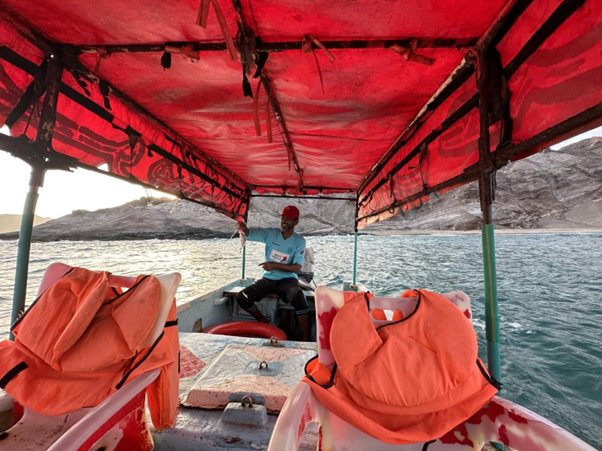
Salah, a 54-year-old fisherman, welcomed us with a weathered smile as warm as the sea breeze. “The beach is my friend,” he said. “Not just my livelihood, but my heart.”
He remembers skipping school to dive off his father's boat. But now, the fish are fewer, the waters warmer, and the ocean - his friend - is suffering. "It hurts,” he whispered. “To see the sea sick. And we are getting sick with it.”