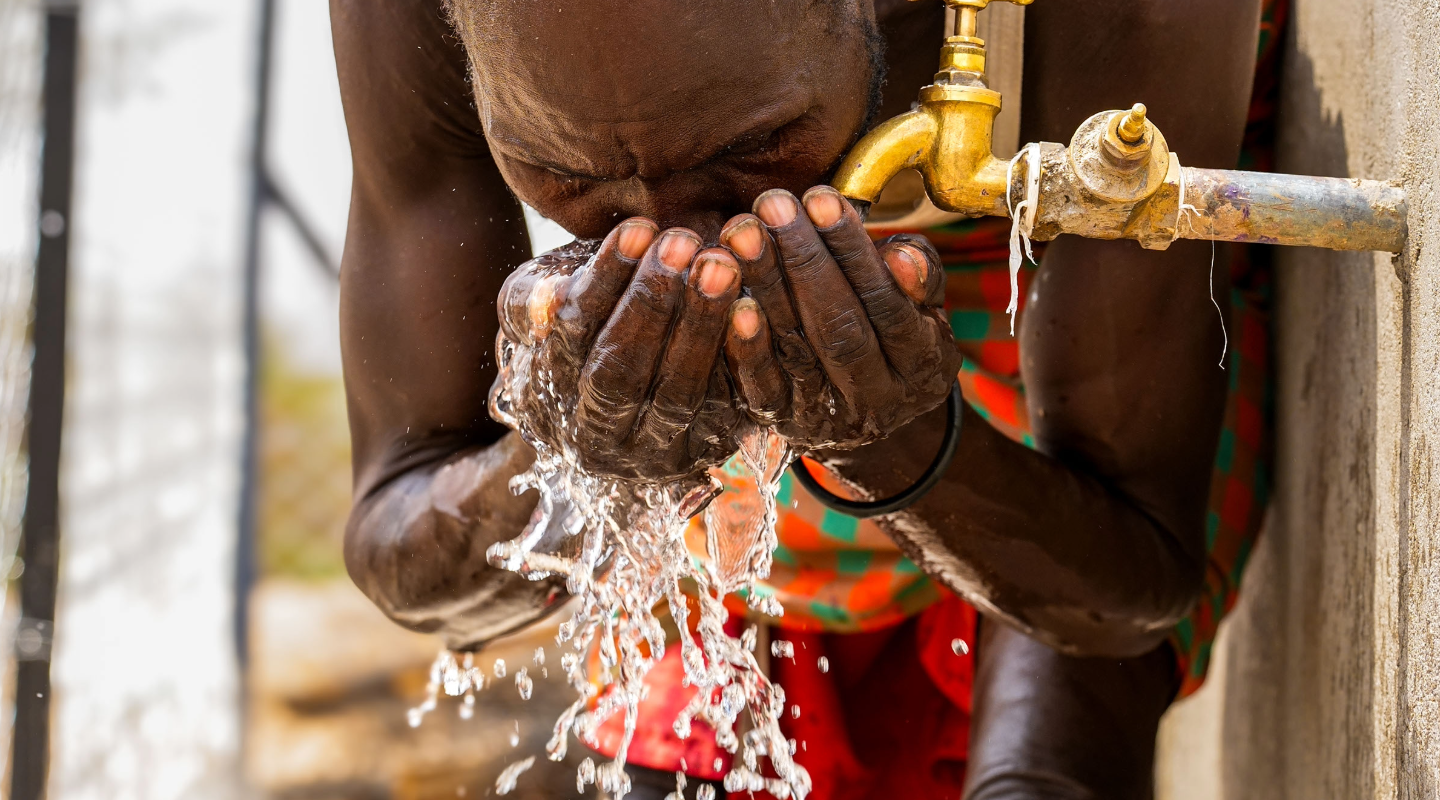
Man gathering water in his hands from a tap and drinking it, with water splashing over the sides of his hands.

Emmanuel Albert/Oxfam

Why water security can’t wait

Water insecurity is one of the defining crises of our time. The people hit hardest are the ones the world is most likely to overlook.

Water touches every part of everyday life

Water grows our food, keeps us healthy and gets children into school. It shapes who can earn a living and who is forced to leave home. It also sustains the land, wildlife and ecosystems we all depend on.

Yet today, 1.8 billion people still don’t have safely managed drinking water, and 3.4 billion lack safely managed sanitation. Governments have made global promises, but water remains chronically underfunded and progress is stalling.

Oxfam

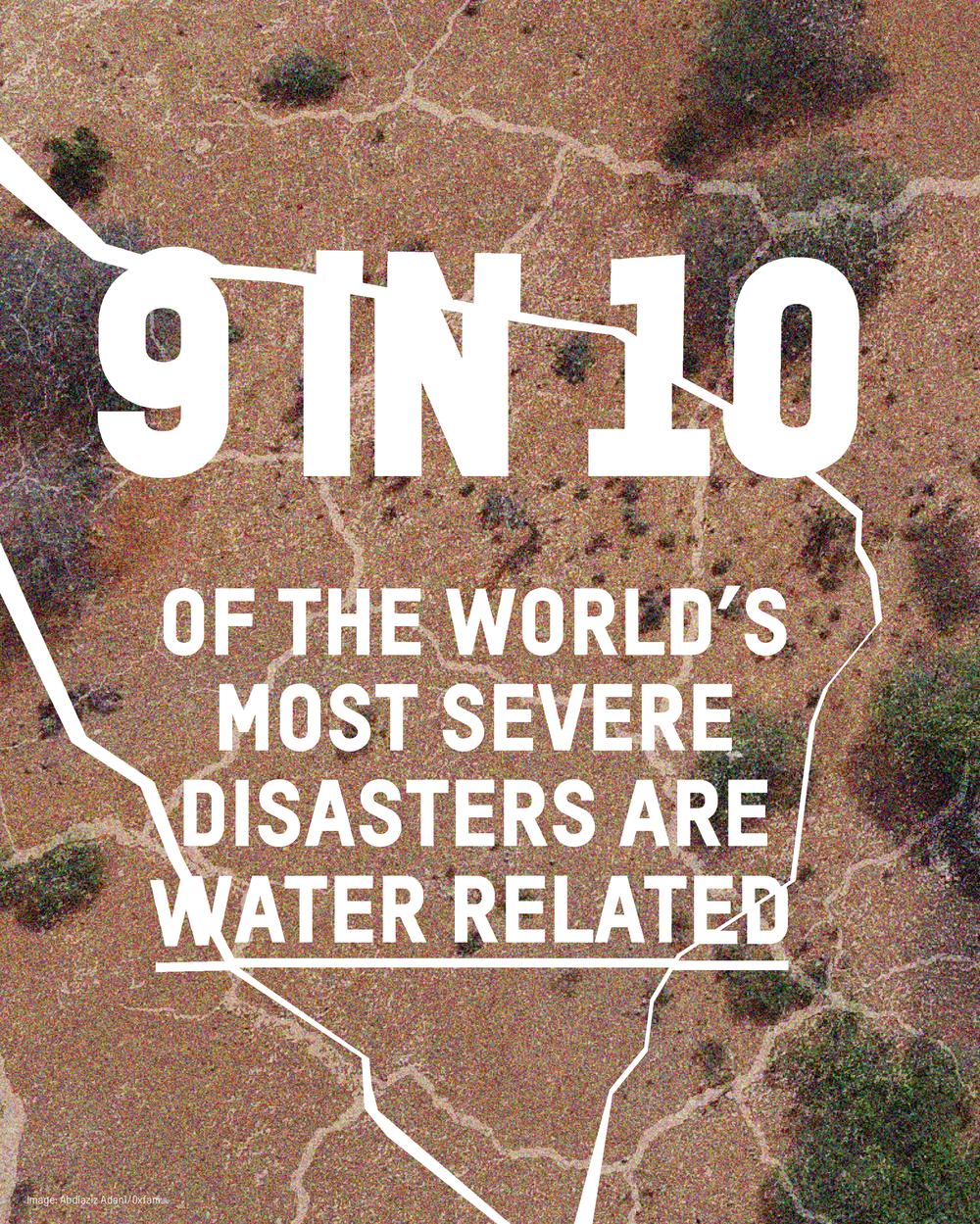
9 in 10 of the worlds most severe disasters are water related

Water and climate change

Water security is about far more than a clean drink. It means safe, reliable and affordable water for homes, hospitals, farms and local businesses all year round.

Climate change is putting that out of reach.

2.3 billion people already live in water-stressed countries, and nine in ten climate-related disasters involve too much water or too little.

As pressure on water grows, so do tensions between communities, forcing more people from their homes and deepening existing inequalities. In conflicts around the world, water systems are increasingly damaged, cut off or used as a weapon.

Women and girls bear the heaviest burden. Where water is scarce, they walk further to collect it, often facing the threat of violence along the way. Tensions at home rise. Hours spent fetching water are hours not spent in school or earning an income – gender inequality in health, education and work is locked in.

Oxfam

Will you join us?

This December, at the UN Water Conference, we’re calling on the UK government to commit, publicly, to increasing investment in water security for the people being left behind.

Sign the petiton now

The people who need water most are the least likely to get it

Water insecurity does not hit everyone equally. It is felt most sharply in places affected by conflict and fragility. Across the Horn, East and Central Africa, 80-90% of people depend on livelihoods that are at risk from climate change, and people living in fragile contexts are twice as likely to lack safely managed drinking water.

The most extreme water stress is concentrated in these places. But, the way water is financed today often excludes them, or simply fails to deliver. The communities affected are often far from big cities in:

  • border regions
  • refugee settlements
  • informal settlements
  • areas hit by crisis after crisis

They have the greatest need and receive the least long-term investment.

Too often, money flows to where it is easiest to deliver and success is more likely. The result is that millions of people in the most water-insecure places are left behind, again and again.

Oxfam

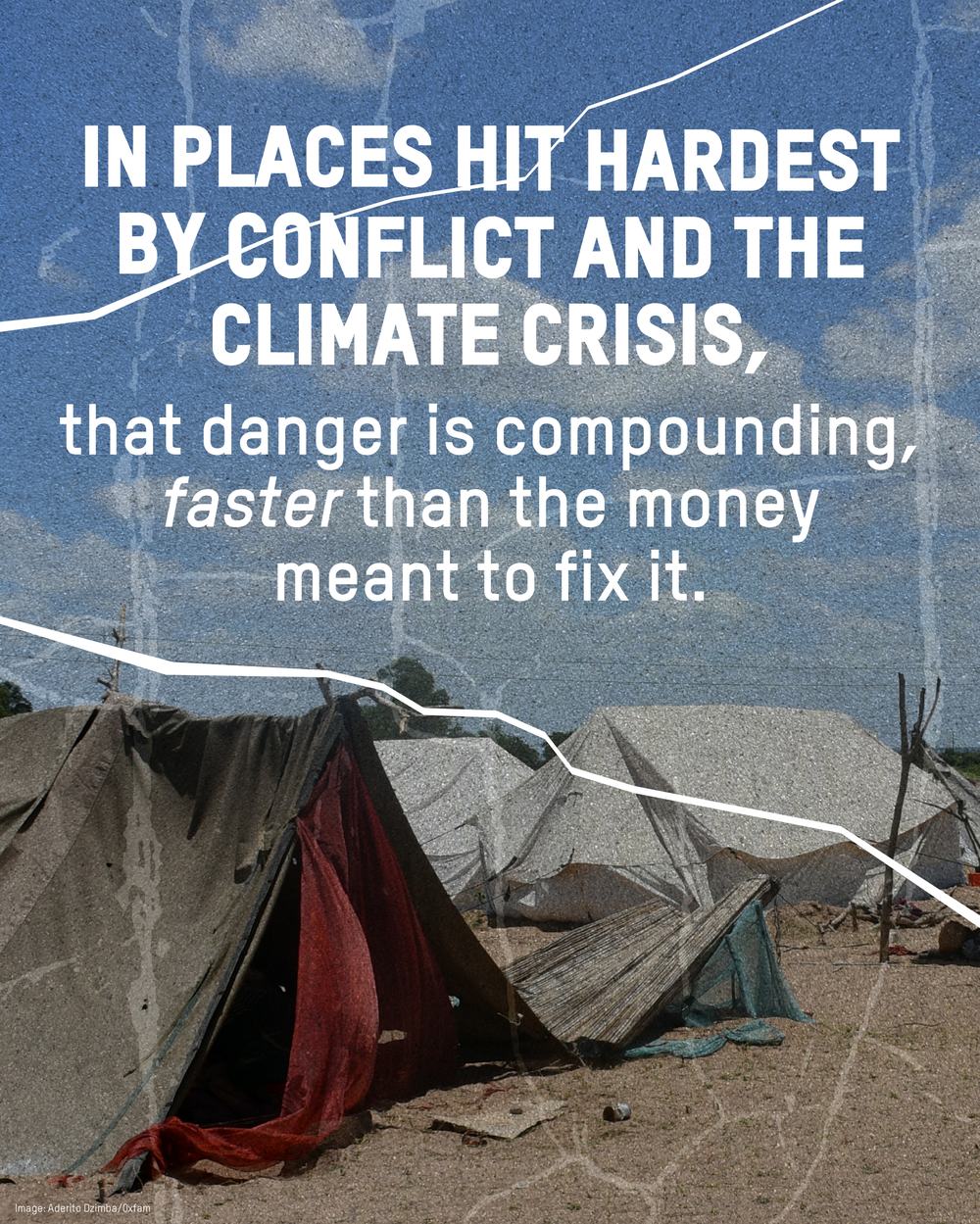
In places hardest hit by conflict and the climate crisis, that danger is compounding, faster than the money to fix it

Why Oxfam?

Water security is the foundation of resilience to climate change. Where people have clean water, women’s rights and safety, health, education and livelihoods can grow. Where they don’t, progress stalls or becomes impossible.

Oxfam has many years experience of what works where humanitarian response, development and good governance meet.

We work with communities and local authorities to bring water security to the people who don't currently have it, focusing on informal settlements and fragile places, where the consequences of water insecurity are most severe.

Water security in fragile contexts

2.2 billion

people lack access to safely managed drinking water.

800 children

under 5 die every day from diarrhoea caused by dirty water.

700 million

people could be displaced by severe water scarcity by 2030.

Why talk about water security now?

Water is a shared resource. If we want everyone to have enough, we have to act together.

Water sits at the heart of many of the world’s biggest challenges. It's also a building block for resilience, peace and prosperity. The UN Water Conference is a rare chance to shift the dial for the people who are most water insecure. It must:

  • deliver practical action on safe water, sanitation and hygiene (WASH)
  • direct money to where needs are greatest
  • strengthen cooperation over the water we share

The challenge is urgent. By 2030, global demand for fresh water is projected to exceed supply by 40%. The consequences reach into poverty, public health, food security, displacement, conflict and climate resilience.

But water can also bring people together. It can be a source of cooperation and peace, as much as a cause of tension. How we manage it will shape the stability of communities and regions for decades.

Without bold, coordinated action at this conference, the crisis will deepen. And water will stay on the sidelines until the damage can no longer be undone.

Oxfam

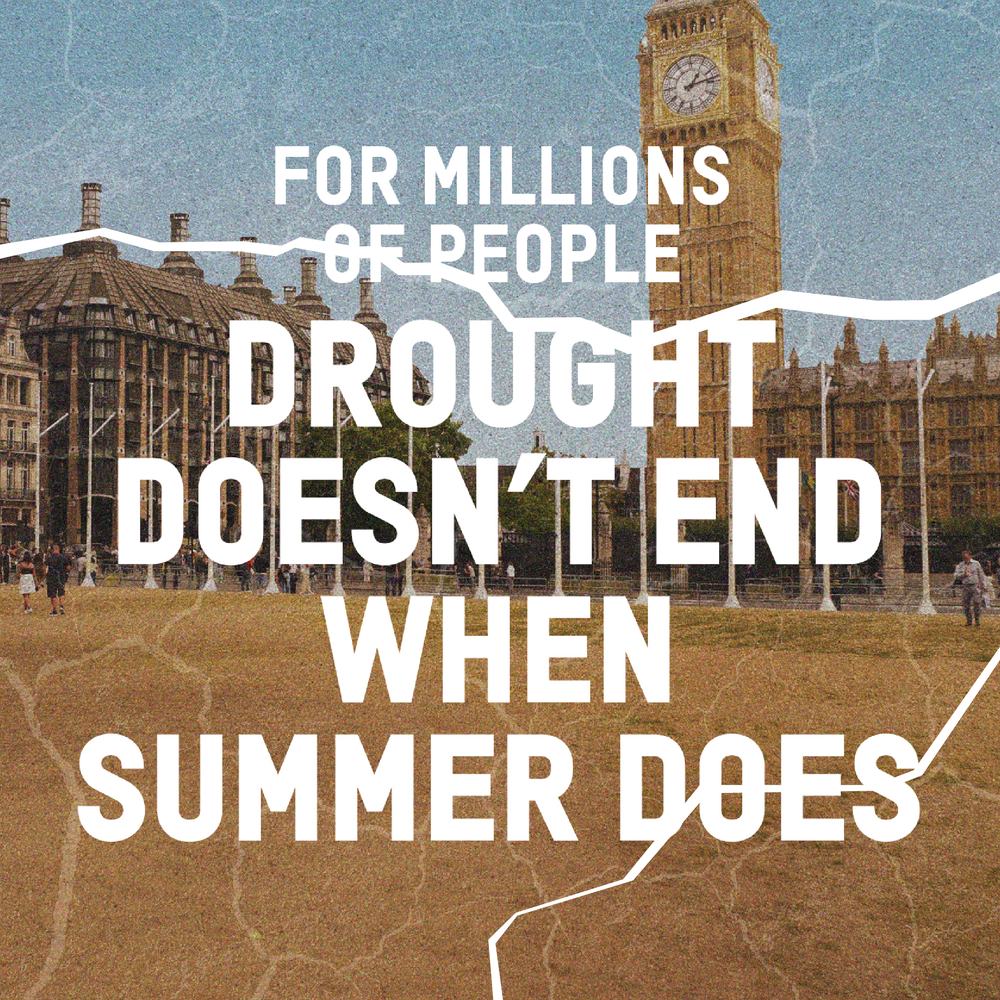
Photo of Westminster square bone dry from the summer drought with the worlds over the top - For Millions of people Drought doesn't end when summer does

What we’re calling for

This conference must be judged by what it delivers, not what it promises.

Success depends on whether money reaches the people currently left behind: those living in fragile and conflict-affected places, border regions, informal settlements and areas outside state control, and communities facing the greatest climate risks. These communities should not be treated as exceptions to how development works. They must be the priority.

We are calling on governments to deliver:

  • More money for water security, sanitation and hygiene, directed first to the most vulnerable people.
  • Water security built into climate adaptation and resilience plans.
  • Practical ways to turn commitments into measurable results for the people most affected.

The true test of this conference is simple: does life get better for the communities who need water most?

Oxfam

Will you join us?

This December, at the UN Water Conference, we’re calling on the UK government to commit, publicly, to increasing investment in water security for the people being left behind.

Sign the petiton now