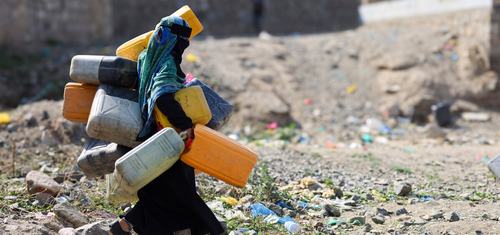
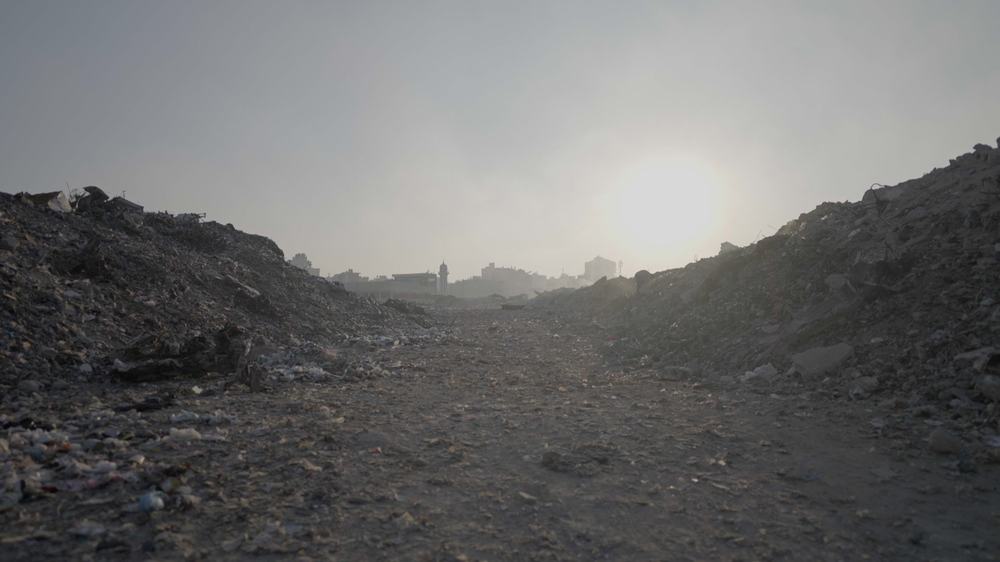
The UN Environment Programme (UNEP) estimates that Israel’s military operations have generated more than 61 million tonnes of debris across the territory, turning Gaza’s destroyed homes, neighbourhoods and infrastructure into a vast reservoir of potentially hazardous materials.
The report builds a comprehensive picture of Gaza’s contamination, with findings including:
- Faecal coliforms detected at a rate nearly ten times more than that reported in 2021. Analysis of
testing data found faecal coliforms in 19 per cent of the 79 groundwater wells sampled across
Gaza in July 2026, compared with 2 per cent of groundwater wells reported as contaminated in
2021. - Only 19 per cent of sewage pumping stations remain functional, with just 30 per cent of the
wastewater network having some operational capacity. This results in approximately 40,000m³ of
raw sewage being pouring into the Mediterranean Sea each day, with a further 15,000m³ per day
lost from the wastewater collection system through cesspits and other leakage pathways. - Areas around Beit Hanoun, Wadi Gaza and northeast of Khan Younis face heightened risks of
long-term soil contamination due to their more clay-rich soils, which are more likely to retain
pollutants, threatening the safety of food crops when agricultural production resumes. - Gaza City, Jabalia and the North Gaza Governorate face the highest risk of air contamination, as
pollutants generated by the intensive bombardment are resuspended as contaminated dust into
the air by wind, vehicle movement and debris clearance. - High risks of drinking-water contamination in North Gaza, Gaza City and Deir al-Balah, where
remaining operational wells and desalination overlap with highly vulnerable groundwater systems
and areas of heavy bombardment and debris accumulation; with flooding and sewage overflow
further increasing the risk of contamination. - People in Gaza are facing growing respiratory health risks from dust and pollution caused by the
destruction of buildings and the burning of waste, which can irritate the respiratory system,
worsen asthma and cause lung injury. The persistence of hazardous materials in the environment
raises concerns about prolonged exposure and lasting respiratory harm, particularly concerning
children given their vulnerability and higher relative inhalation rates.
Report author Lama Abdul Samad, a global water and sanitation specialist at Oxfam said: “Fixing Gaza’s environment will be highly challenging because contamination is dispersed across the urban rubble, farmlands, water systems and soils, while unexploded ordnance continues to restrict safe access to most areas. The analysis highlights the urgent need for Israel to grant access for a detailed environmental assessment on the ground to clarify the risks to public health and identify options for urgent harm reduction measures. Restoration is likely to require extensive clearance, monitoring and specialised remediation of affected areas from contaminants like explosive residues, organic pollutants, and heavy metals.”
With international attention increasingly turning to Gaza’s reconstruction, environmental recovery must not be treated as an afterthought, but as a vital undertaking in parallel.
“Rebuilding Gaza without simultaneously understanding and addressing the extent of environmental contamination risks creating long-term public health consequences for generations to come,” Amitabh Behar said. “A comprehensive programme of environmental assessment and remediation must form an integral part of Gaza’s recovery and reconstruction plans.”
Oxfam calls on Israel to end its genocide and siege of Gaza and to allow unrestricted access for aid, environmental assessment and essential equipment. It demands that states halt arms transfers to Israel where they sustain the unlawful occupation of the oPt, or where they are used to commit serious violations of international law. It calls for the funding of a Palestinian-led assessment, clean-up and safe reconstruction.
Recovery and reconstruction of Gaza must be owned and led by Palestinians themselves. It must be rights-based, reparations-oriented, and rooted in accountability. International funding does not replace Israel’s obligation to make reparations for the harm caused by its unlawful acts.