This snapshot is based on a survey of 29 international and national NGOs conducted in the first week of September and covering the previous six months, from March through August 2026. While the results do not capture every NGO operating in the West Bank, they reflect the persistently constrained operating environment and impact on Palestinian communities.
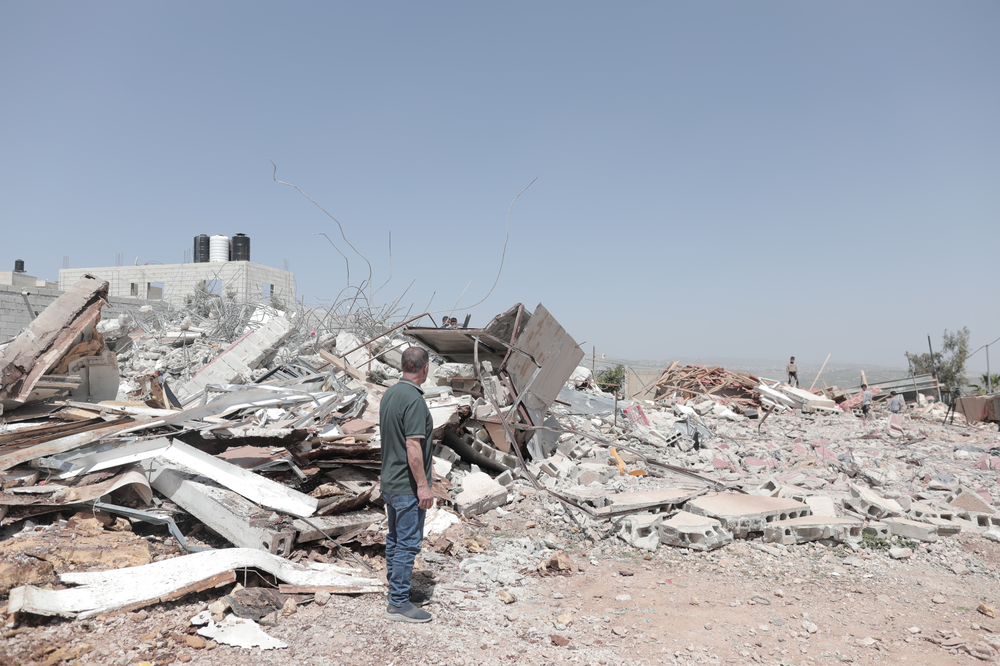
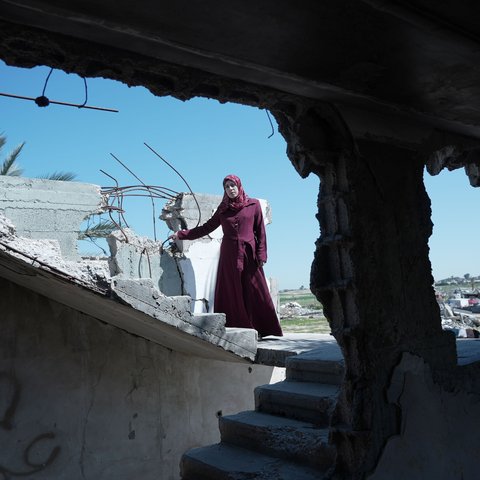
Israeli policies in the West Bank, including East Jerusalem, are pushing Palestinians deeper into humanitarian crisis. State-backed settler violence is escalating sharply, targeting Palestinians in their homes, on the roads and on their land. Combined with military raids, settlement expansion, demolitions and movement restrictions, these policies and practices are further consolidating annexation of the occupied West Bank, forcibly displacing communities and making it increasingly difficult for Palestinians to remain on their land.
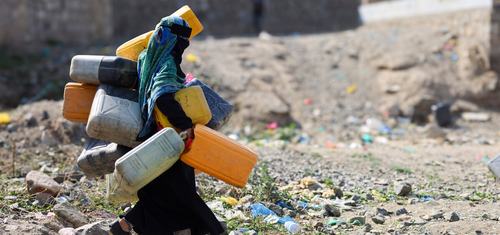
For humanitarian organizations, the consequences are immediate. Needs are rising while the space to respond is shrinking. Staff and partners face attacks and threats, routes are closed or too dangerous to use, and communities are increasingly cut off from essential assistance and services. National and international NGOs are consistently being forced to delay, relocate, scale back or suspend services, while adopting alternative ways of working to maintain operations wherever possible. Despite reducing their visibility to mitigate risk, they continue to face attacks. At the same time, many of these organizations are facing shrinking budgets as donors reduce funding, forcing cuts to essential services for families in need.
As Israeli parliamentary elections approach, the government is not restraining these dynamics, and instead is allowing them to accelerate. Political measures and increasingly extreme rhetoric are emboldening settlers and entrenching impunity, leaving already displaced and isolated communities to face even greater danger.
Read the full report here.