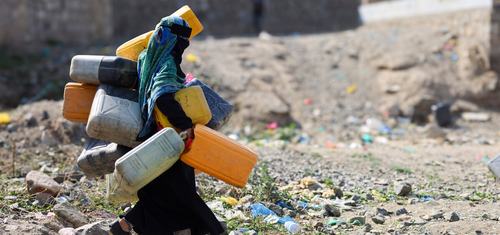
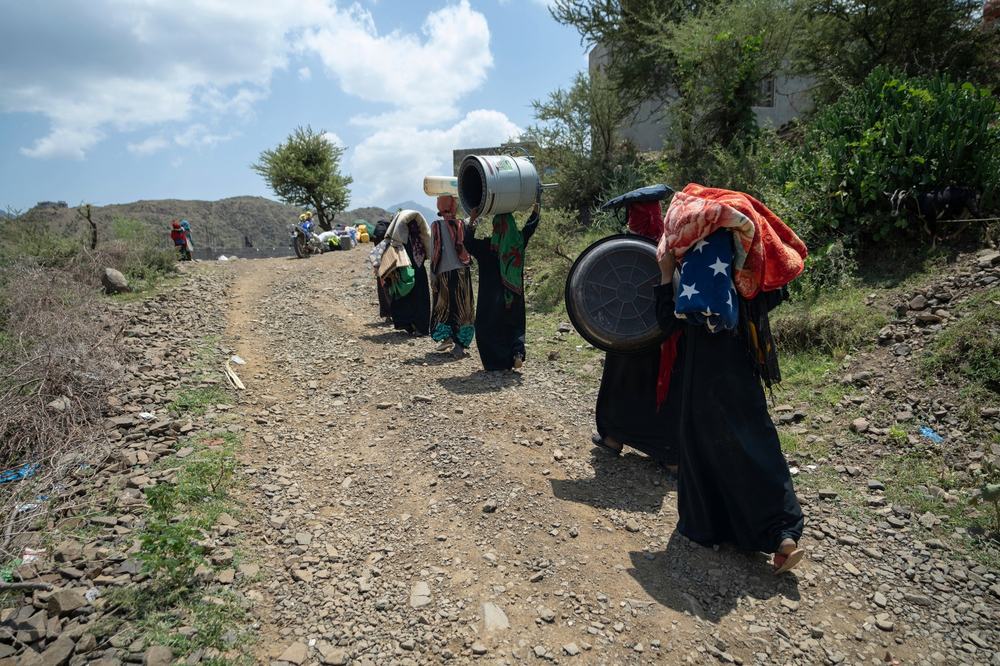
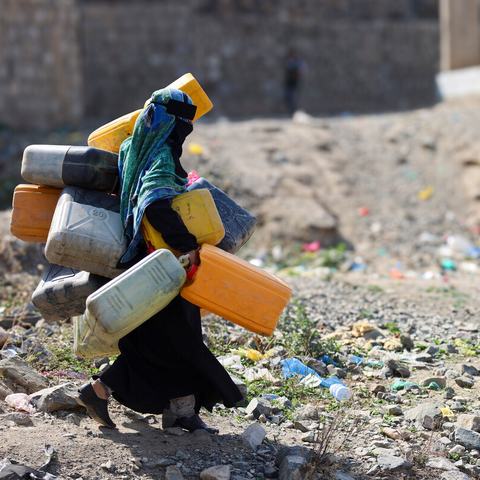
Inaccessible roads and insecurity are disrupting the transport of commercial supplies. Local reports indicate shortages of food, cooking gas and fuel, contributing to rising prices and reduced availability in markets. Keeping routes open for essential goods is critical to preventing further deterioration in food security.
Health services are also under pressure. Reports from Taiz indicate critically low stocks of essential medicines, medical supplies and fuel, threatening emergency care, surgery, intensive care, dialysis and neonatal services. Without timely replenishment, patients, injured people, pregnant women and newborns face serious risks. Residents and displaced families also need reliable access to clean water and sanitation to reduce the risk of cholera and other waterborne diseases.
Children, older people and people with disabilities face additional barriers to reaching services. Women and girls need continued access to healthcare, safe spaces and protection services, including support for survivors of gender-based violence. Pregnant women and breastfeeding mothers need uninterrupted maternal care, adequate food and clean water, including while displaced.
Insecurity and movement constraints are making it harder for humanitarian teams and local partners to reach communities, assess needs and deliver assistance safely. Conditions vary by location and can change rapidly. Restrictions on assessments also leave gaps in information about needs, so available figures may not capture the full scale of the crisis. Safe and sustained access is essential for organisations to respond at the scale required.
We call for urgent action
All parties to the conflict must:
• Protect civilians and civilian infrastructure in accordance with international humanitarian law, including health facilities and water systems, and take all feasible precautions to minimise civilian harm.
• Ensure safe civilian movement and the regular passage of essential commercial supplies, including food, fuel, medicines and water. Facilitate safe and unimpeded access for principled humanitarian assistance, and prevent delays, diversion or interference with relief supplies and humanitarian personnel.
• Protect life-saving health services by enabling timely deliveries of medicines, medical supplies and fuel, and the safe passage of patients, ambulances and healthcare workers.
Donors and humanitarian organisations must:
• Urgently fund and scale up assistance for displaced families, vulnerable residents and host communities, prioritising food security, shelter, healthcare, clean water, sanitation and protection.
• Support emergency health services and integrated health, water and sanitation responses to cholera and acute watery diarrhoea, including essential supplies and support for healthcare workers.
• Provide flexible funding and practical support to local responders, including women-led organisations, so they can reach affected communities and respond to changing needs.
The people of Taiz need routes that remain safe and open for civilians, essential goods and humanitarian assistance. Urgent action to protect these lifelines can prevent further loss of life, worsening hunger and the breakdown of essential services.
The following 32 organisations have signed this joint statement:
ACCEPT International
Action for Humanity International
ADRA Yemen
CARE International
Center for Civilians in Conflict (CIVIC)
Concern Worldwide
Danish Refugee Council (DRC)
Diakonie Katastrophenhilfe
Dorcas Aid International
Geneva Call
Handicap International – Humanity & Inclusion (HI)
Helpcode Italia ETS
Humanitarian Aid & Development (HAD)
International NGO Safety Organisation (INSO)
International Rescue Committee (IRC)
Islamic Relief Yemen
MedGlobal
Mehad
Muslim Hands UK
Norwegian Refugee Council (NRC)
Oxfam
Polish Humanitarian Action (PAH)
Première Urgence Internationale (PUI)
Prosper Global
Pure Hands
Relief International
Saferworld
Save the Children International (SCI)
Secours Islamique France (SIF)
Solidarités International
War Child Alliance
ZOA