Ahmed Albasha / Oxfam

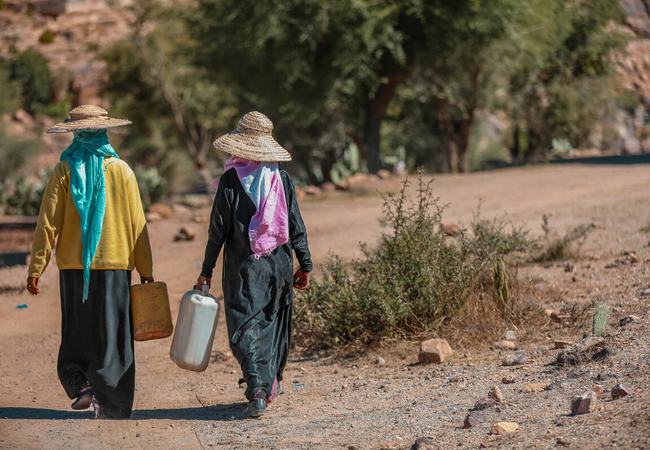
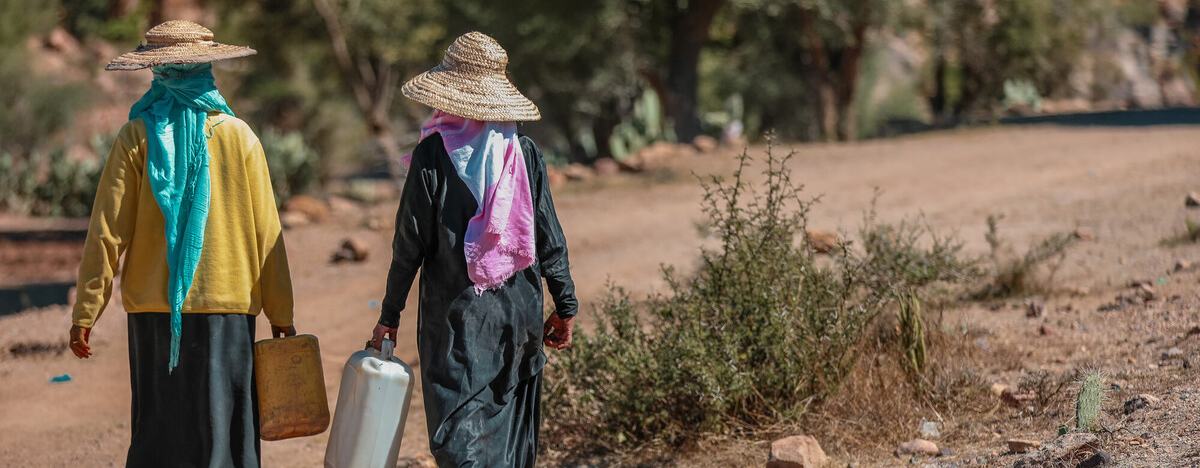
Two people are walking along a dry track in Provincia de Taiz, Yemen, carrying large water containers.

Strengthening safeguarding together through local leadership

Rawan Abushaikha

28 Aug, 2026 / 4 mins read time

In Southwest Asia and North Africa (SWANA), Oxfam and its partners are exploring a different approach to safeguarding – one that is grounded in local leadership, shared responsibility and mutual accountability. Through peer learning, open reflection and mentorship, partner organizations are leading conversations about how to prevent abuse, exploitation and harm, while building stronger and more trusted organizations.

This blog shares lessons from that journey, showing how safeguarding can become more than a compliance requirement. It can be a shared practice that strengthens trust, supports safer communities and puts the knowledge and experience of local organizations at the centre of change.

Challenging the status quo

I have built my career around ensuring that organizations take responsibility for minimizing risks and effectively preventing and responding to abuse and exploitation. What often sticks in my mind is:

  • Are we doing enough?
  • Are we able to say that people we serve are safe from abuse or exploitation that was committed by the organization’s representatives?
  • Whose responsibility is it anyway?

Recent candid discussions with partners, colleagues and communities in the SWANA region about how we can move beyond policies and compliance towards a more meaningful and shared practice of safeguarding have started to shift my understanding on these questions. Practices that are grounded in accountability, local leadership, and trust. Challenging us to continuously ask not just whether systems are in place, but whether they are truly working and safe for people.

Building safer organisations through shared responsibility

My commitment to safeguarding has been shaped by first-hand experience, where I witnessed how organizational actions, decisions, procedures, and operations can unintentionally expose the very communities they serve to harm.

When organizations and their representatives hold power over vulnerable populations, it is essential to have strong safeguarding measures in place. These measures should focus on actively preventing and addressing sexual abuse, harassment, and exploitation (PSEAH), as well as all forms of child abuse, ensuring that organizations’ presence and work within communities remain safe and protective.

Moving beyond checklists towards meaningful safeguarding

Over the past few months, I have found myself in safeguarding conversations that felt different from many I have had before. They were not driven by checklists or assessments, but by honest reflection. Partners speaking openly about what safeguarding looks like in practice, what feels difficult, and where learning is still needed.

These moments have reinforced why safeguarding matters so deeply, not just as a policy requirement, but as a way of working that protects dignity, builds trust, and strengthens organizations from within.

Why local leadership matters in safeguarding

Across Southwest Asia and North Africa (SWANA), Oxfam works in partnership to support people and communities to claim their rights and live free from violence and exploitation. These partnerships are grounded in local leadership and contextual knowledge, because meaningful and lasting change must be locally led.

Safeguarding: including the prevention of sexual exploitation, abuse and harassment (PSEAH) and the prevention of child abuse in all its forms is central to this work.

At its heart, safeguarding is about:

  • creating safer organizational cultures
  • sharing power responsibly
  • ensuring that our work does not cause harm or increase risks.

Christian Harb/Oxfam

At Oxfam, we are committed to ensuring the safety and wellbeing of the people we serve. While we place communities at the center of all our actions, we believe this cannot be achieved without collective effort. Safeguarding is everyone's responsibility, and only by working together can we make a meaningful difference.

Supporting partner-led safeguarding in SWANA

In Oxfam SWANA, safeguarding with partners is understood as an ongoing journey rather than a one-off requirement. Over time, our approach has intentionally shifted towards shared responsibility, mutual accountability and partner led processes. This shift is most visible in the spaces where partners are leading learning and supporting one another.

Learning together to strengthen safeguarding

One of the most meaningful developments has been the creation of a Regional Safeguarding Peer Learning Forum. The forum brings together not only organizations in active partnership with Oxfam, but also potential future partners and organizations whose formal projects have ended.

This reflects a simple belief that Safeguarding is a collective responsibility that does not begin or end with a contract.

A partner-led approach for shared learning

What makes this forum distinctive is that it is intentionally partner-led. Partners co-created the terms of reference, define the priorities, and guide the discussions from building a shared understanding of safeguarding to exploring policies and practical procedures including:

  • discuss practical tips to raise community awareness
  • encourage safe reporting
  • provide services to those in need safely mainly during emergencies.

Meetings are chaired on a rotational basis by safeguarding focal points from partner organizations. This transforms the forum into a space of peer leadership rather than top-down guidance.

Reflections on a partner-led discussion

Tahfeez, a local organization in Jordan, chaired a session on developing organizational safeguarding policies. Rather than presenting a polished final product, Tahfeez spoke candidly about challenges they faced, questions they struggled with, and lessons learned along the way.

Their openness created space for others including Oxfam; to reflect more critically on how safeguarding policies are designed and implemented in real organizational contexts.

As the Tahfeez safeguarding team reflected afterwards, the experience strengthened internal capacities, governance practices, and confidence around safeguarding. Outcomes that go far beyond a single session.

These exchanges have shown how powerful safeguarding learning can be when partners are recognized as leaders and knowledge holders, rather than recipients of guidance.

Strengthening safeguarding through mentorship

Alongside peer learning, Oxfam SWANA is also piloting a mentorship-based approach to safeguarding with community-based partner organizations in particularly challenging contexts.

This approach moves away from handing over standard tools or templates. Instead, it focuses on working closely with partner safeguarding focal points and leadership to co-build safeguarding systems that reflect each organization’s realities, capacities and priorities.

Co-building safeguarding systems with partners

Oxfam contributes technical experience in safeguarding system development, while partners lead the pace and direction of the work.

Learning is applied gradually, through regular dialogue, reflection and accompaniment.

Early learning from this approach highlights how valuable mentorship can be, especially for smaller organizations, strengthening not only safeguarding systems, but also organizational confidence and ownership.

Creating a shared culture of more accountable organisations

Safeguarding across partnerships in SWANA continues to evolve in a region where contexts differ so widely, challenges vary, and learning is ongoing.

What connects this work is a shared commitment to accountability, dignity and locally led change.

Safeguarding is strongest when it is:

  • co-created
  • embedded in organizational culture
  • sustained through relationships built on trust and transparency.

Together with partners, Oxfam SWANA continues to learn, adapt and act to strengthen safeguarding not as an add-on or a checklist, but as a living practice that supports safer, more accountable and honest organizations.