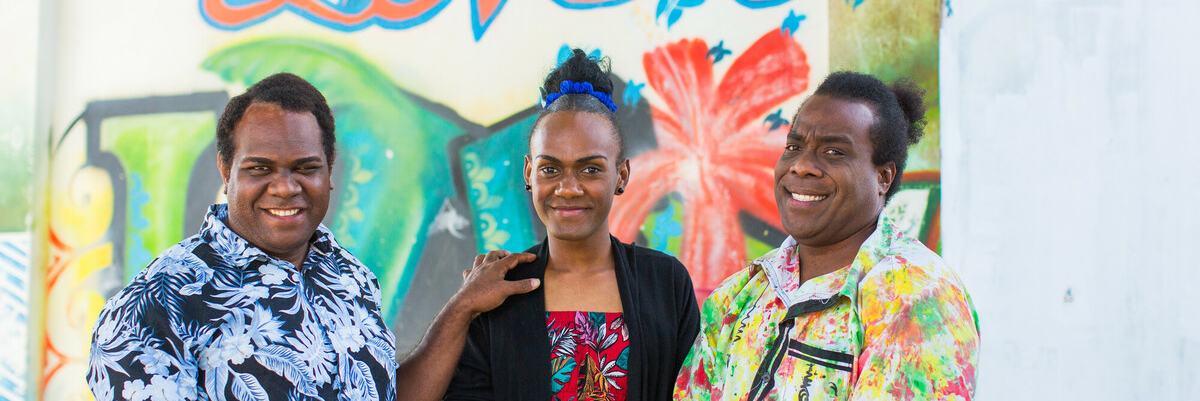
Three people are stood outside the VPride office in front of a colourful wall with the word Love painted on it.

Arlene Bax/Oxfam. Oxfam acknowledges the support of the Australian Government through the Australian NGO Cooperation Program (ANCP).

VPride has given me the confidence to be myself and go out in the community despite the discrimination I often face.”

Ivanka is a member of Vanuatu Pride (VPride)

What is Pride?

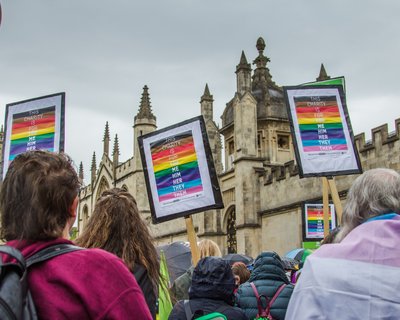
Pride is a global movement that celebrates the lives, identities and contributions of LGBTQIA+ people in our societies. It is a time to celebrate the achievements of the rights gained but also to challenge continued injustices against LGBTQIA+ communities around the world.

VPride has given me the confidence to be myself and go out in the community despite the discrimination I often face.”

Ivanka is a member of Vanuatu Pride (VPride)

Why does Pride matter?

Pride is a time to celebrate visibility and belonging. It offers space for people to express who they are without fear, and to recognise the diversity and strength within LGBTQIA+ communities. Pride helps challenge stigma and harmful stereotypes by sharing real stories and experiences.

Pride is freedom without fear, solidarity without exception.

How many years has it taken people to realize that we are all brothers and sisters and human beings in the human race?”

Marsha P. Johnson, trans-rights activist and a participant in the Stonewall riots.

How did Pride begin?

In June 1969, members of the New York LGBTQIA+ community demonstrated and fought back against a police raid at the Stonewall Inn in Greenwich Village, Manhatten. They called for dignity, safety and equal rights.

People who helped to build Pride

Marsha P. Johnson was a black trans-rights activist who is one of the key figures in the Stonewall protests. Marsha said the "P" stood for "Pay it no mind" – a phrase she used when people commented negatively on her appearance or life choices.

Brenda Howard is famously known as the “Mother of Pride.” She was instrumental in organising the first ever Pride marches with the idea for a week-long series of events leading up to the anniversary of the policy raid on the Stonewall Inn.

What is the legacy of Stonewall?

Stonewall was solidified as a key moment in the LGBTQIA+ civil rights movement by the marches that began a year later. In New York City, the Christopher Street Liberation Day March is considered the city’s first Pride parade.

The next time someone asks you why LGBT Pride marches exist or why Gay Pride Month is June tell them 'A bisexual woman named Brenda Howard thought it should be.'”

Brenda Howard, social justice activist.

Throughout its history, Pride has supported wider social justice issues too, including:

  • racial equality
  • disability rights
  • the protection of refugees fleeing persecution because of their identity.

Many Pride events raise funds for grassroots organisations and charities working on these issues.

Today, June is celebrated as LGBTQIA+ Pride Month in commemoration of the event and include marches, festivals and community gatherings. Importantly, they are still rooted in the demand for justice.

What does LGBTQIA+ mean?

LGBTQIA+ is a broad, inclusive term used to describe a wide range of sexual orientations and gender identities and stands for lesbian, gay, bisexual, transgender, queer or questioning, intersex and asexual or aromantic. The + symbol is inclusive to mean 'and others'.

The term brings together many different communities under one shared goal: dignity, safety, and equal rights for everyone, regardless of gender identity (who you are) or sexual orientation (who you are attracted to).

Peter is stood smiling in the centre of the image in front of the clinic with a hand on his hip.

When I come and join VPride, I learn a lot of things in terms of human rights, how we can express ourselves in the public.”

Peter is a Vanuatu Pride (VPride) support officer in Vanuatu.

Why do we celebrate Pride month?

As the rolling back of LQBTQIA+ rights continues, many LGBTQIA+ people face discrimination, violence and barriers to opportunity around the world. In some places:

  • same-sex relationships are criminalised
  • people can be excluded from education, work or healthcare because of who they are
  • even where legal protections exist, inequality and prejudice persist.

By celebrating Pride, Oxfam stands in solidarity with LGBTQIA+ people. We will continue to raise awareness and call for a world where everyone can live safely, with dignity and with equal rights.

How does Oxfam celebrate Pride?

We recognise Pride month as a time to celebrate inclusiveness – one of Oxfam’s core values. To stand in solidarity. And to celebrate LGBTQIA+ communities.

At Oxfam, we believe that ending poverty is only possible when all human rights are respected and upheld. That’s why we mark Pride month and proudly support our LGBTQIA+ colleagues, volunteers, partners, and communities, not just in June, but all year long.

Scott Woolgar

It looks like this all the year round! ... Lots of people ask if they can take photos of the shop and the feedback we get is really positive.”

Scott Woolgar, Shop Manager, Oxfam Brighton Bookshop

As part of this, we want to celebrate our shops and work environments as safe spaces for all our staff, volunteers, and customers. To allow them to be their authentic selves, no matter their sexuality or gender identity.

Every year, Oxfam GB holds a shop window competition encouraging shop teams to create amazing, fantastic, and eye-catching displays to celebrate Pride in their local communities.

Winner of the Oxfam GB shop window competition in Lincoln, 2025. Credit: Oxfam GB

Oxfam shop window in Lincoln brightly decorated with rainbow colours and items relating to Pride and LGBTQIA+ available to buy.

Winner of the Oxfam GB shop window competition in Lincoln, 2025.

Pride month also provides us with the opportunity to shine a spotlight on the inequalities faced by LGBTQIA+ people around the world and how that contributes to them experiencing poverty.

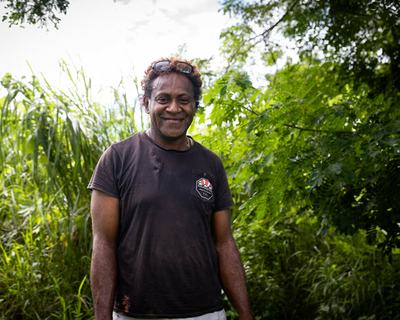
Poasa (he/him), also known as Porsha, stands in front of lush greenery at the PRIDE communal farm in Nakavu village, Nadi, Fiji, part of a project supporting LGBTQIA+ “Queerpreneurs” with agricultural and financial training.

They’re seeing what we have achieved, how we have helped the village. So now we feel proud of ourselves.”

Poasa is a member of Rainbow Pride Foundation, and Oxfam partner in Nadi, Fiji. Read Poasa's story.

How can you support LGBTQIA+ people?

Pride is celebrated in June in the UK and many other countries around the world. You can support LGBTQIA+ communities all year round.