Big Oil profits surge as Britons count the cost of deadly heatwaves and high energy bills

Published on

  • World’s top six fossil fuel corporations expect Q2 profits to nearly double Q1 levels
  • Emissions from five fossil fuel corporations were enough to cause about 1 in 4 heatwaves in the world between 2000 and 2023
  • Four days of BP and Shell's combined Q2 2026 profits would be enough to cover England’s bus fare cap subsidy – announced by the new Prime Minister Andy Burnham last week

As parts of the UK edge towards drought and the Met Office warns of the extreme weather becoming the “new normal”, new Oxfam analysis shows the world's biggest oil companies are on course for bumper profits while the emissions they produce are fuelling the heatwaves across Britain and elsewhere.

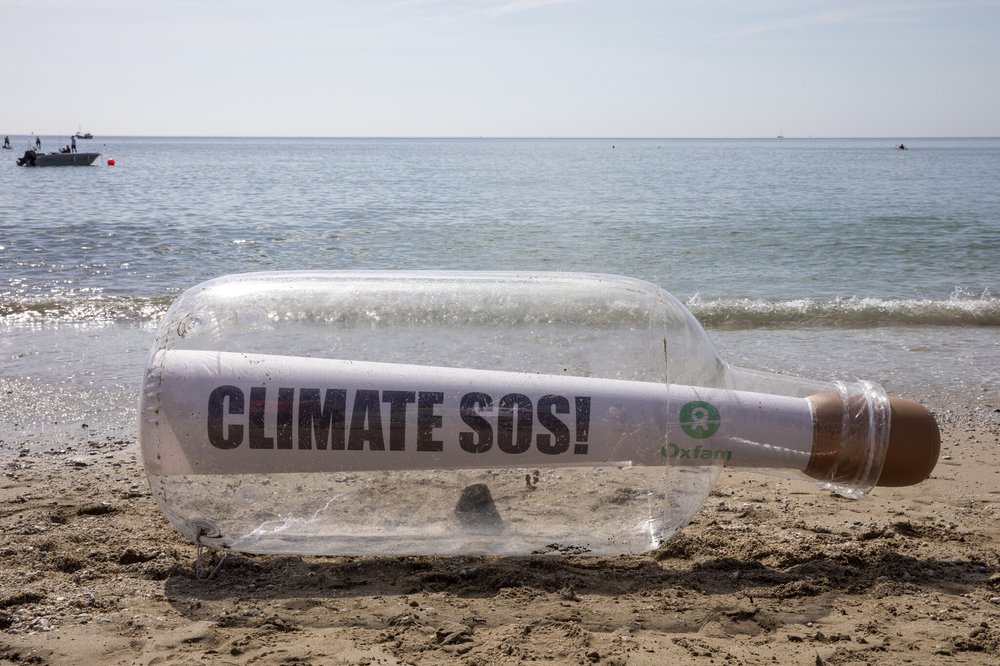
Andy Aitchison / Oxfam

A giant bottle with a message that says Climate SOS and an Oxfam logo stit on the shoreline in Cornwall

The world’s six biggest fossil fuel corporations are expected to nearly double their combined net income in the second quarter of 2026, jumping from $23 billion in the previous quarter to $45 billion, reveals Oxfam analysis ahead of their earnings announcements.

The projected full-year profits of BP, Chevron, Eni, ExxonMobil, Shell and TotalEnergies amount to $147 billion, more than their combined profits over the previous 21 months (Q2 2024 to Q4 2025). Among the biggest winners, Chevron is expected to report that it has quadrupled its profits to $1,200 a second in the last three months, while ExxonMobil’s profits are expected to have tripled to $1,800 a second.

Prime Minister Andy Burnham announced a bus fare cap in England from 2027 which Oxfam welcomes as it will help with lowering living costs while incentivising emission reduction. However, this will be funded by redirecting over £400 million previously earmarked for international climate support, converting it from grants into repayable loans. This will increase the debt burden for communities in countries such as South Sudan and Somalia, who are already dealing with climate chaos.

"We used to have 3 proper meals a day... I was rearing goats and operating a small shop which sustained my life. After the drought, I lost all my goats." Diyaara stands among the carcasses of her family's livestock. Image: Khadija Farah/Oxfam
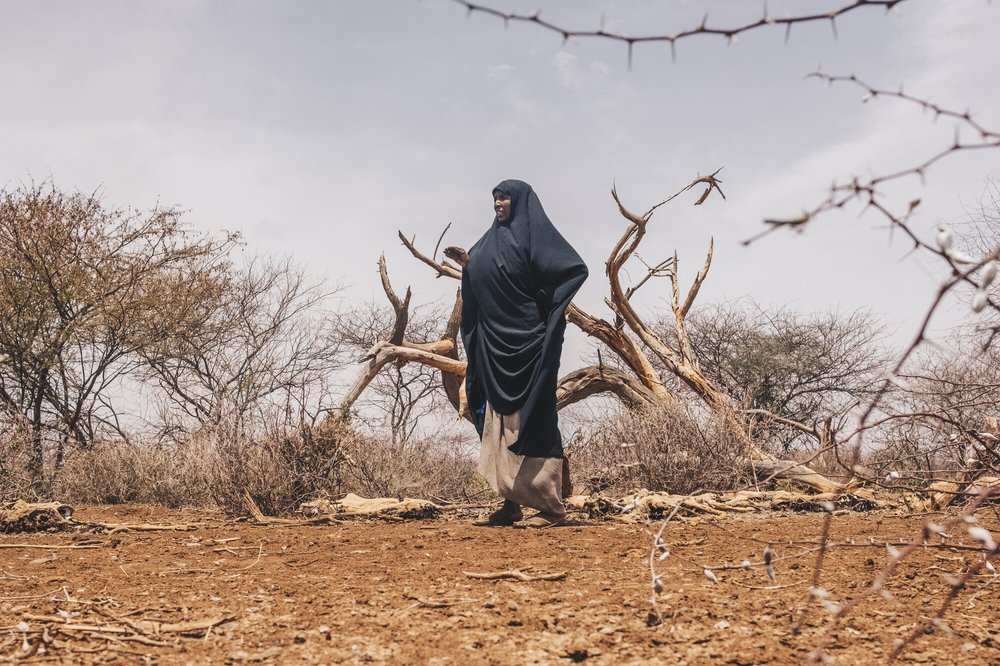
Diyaara wears a black hijab and gestures to the carcasses of her family's livestock on the dusty ground beneath twisted trees.

Instead, Oxfam has calculated that just four days of BP and Shell's combined Q2 2026 profits would be enough to cover the £400 million bus fare cap subsidy which will come from international climate finance.

Oil and gas corporations share an outsized responsibility for the climate crisis. New Oxfam analysis of academic data published in Nature finds that the emissions from BP, Chevron, ExxonMobil, Shell and TotalEnergies were sufficient to cause around 1 in 4 heatwaves reported globally between 2000 and 2023 – heatwaves that would have been virtually impossible without human-made climate change. Using S&P Capital Trucost data, Oxfam estimates that Big Oil was responsible for $60 billion in environmental damage last year.

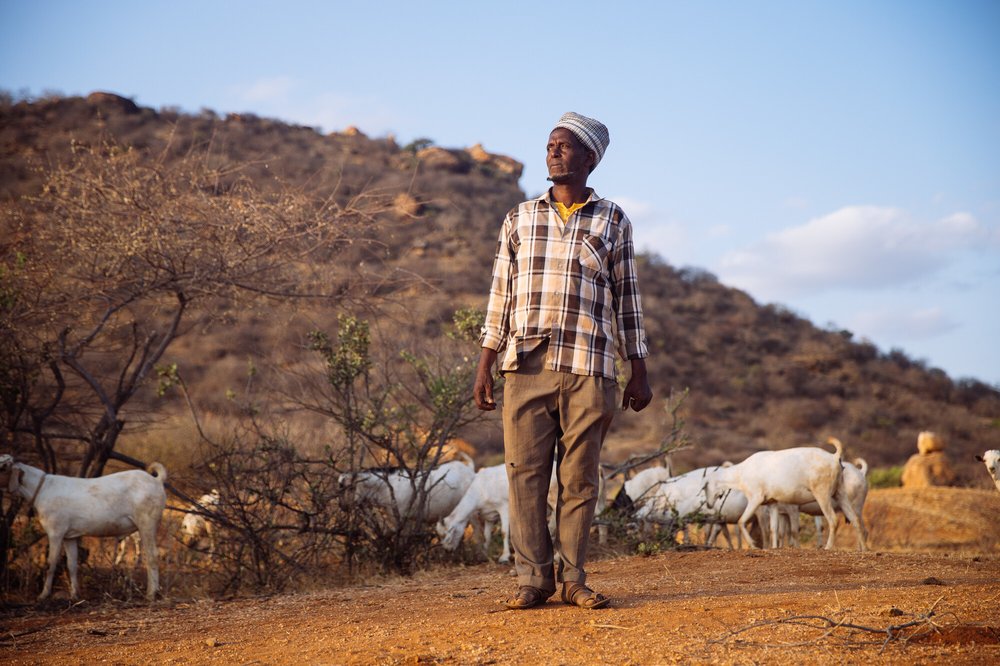
Peter Irungu/Oxfam

For people across Britain, the climate crisis is no longer an abstract future threat - it’s a daily disruption. Extreme heat strains the NHS, disrupts transport, damages harvests and drives up food prices and insurance costs, all while households remain stuck with punishing energy bills. At the same time, communities on the frontline of the climate crisis pay the highest price by losing their homes, crops and livelihoods.”

Beth John, Climate Justice Adviser at Oxfam GB

Prime Minister Andy Burnham has told his Cabinet that this must be “a cost of living government” and had pledged to reduce pressure on household energy bills.”

/

If the Government is serious about bringing down the costs for households, they should ensure the biggest polluters pay their fair share rather than leaving ordinary people to pick up the bill.”

Oxfam is calling on the new Prime Minister Andy Burnham to:

  • Within his first 100 days, ensure the biggest and richest polluters pay their fair share for climate action
  • End new oil and gas licensing in the North Sea. Approving new projects is incompatible with the UK’s climate commitments and will do nothing to bring down bills.
  • Send a clear global signal of its commitment to reducing fossil fuel dependence
  • Commit to a just transition towards a fairer, greener future, and set out a pathway to a fairer, greener and more caring economy.
  • Treat climate action as a national priority, not a distant goal.

People can demand the Government fairly tax the biggest and richest polluters by signing Oxfam’s petition Make Rich Polluters Pay

Press contact

For comments, interviews, or information please contact the Oxfam GB Media Team: