Humanitarians and communities from Colombia to Ukraine call for action as the UN elects its new leader, while Member States undermine and underfund the institution, perpetuating more conflict, hunger, displacement - and funding gaps.
UN Photo/Loey Felipe
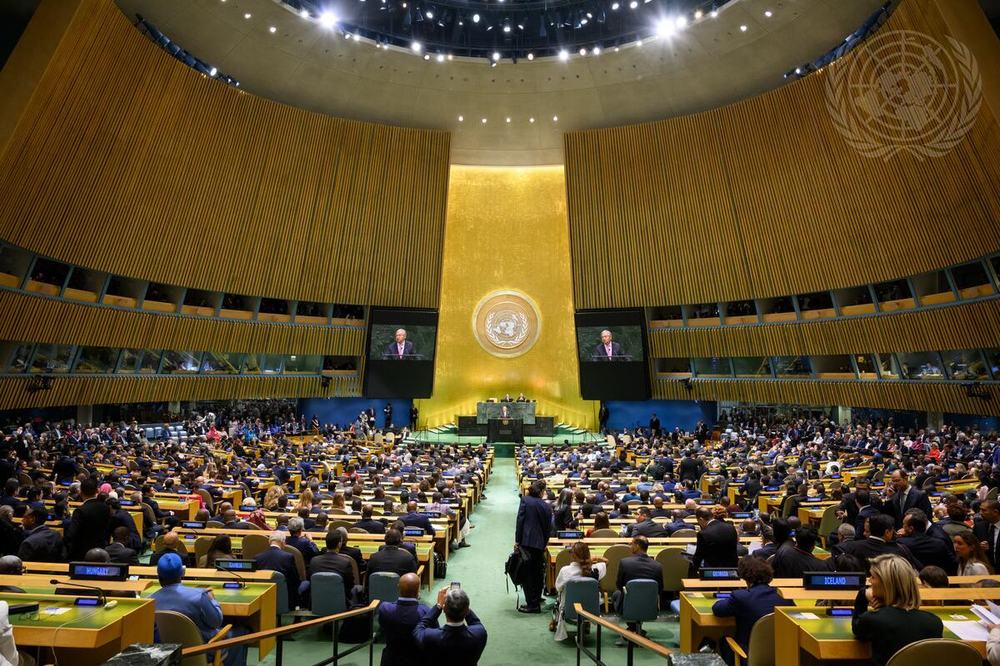
A wide view of the General Assembly Hall as Secretary-General António Guterres opens the general debate of the General Assembly's eighty-first session.
Key points
The paper highlights five messages from civil society to the next Secretary General:
- Give communities real representation
- Intervene to stop aggressors and hold violators accountable
- Address the political and economic root causes of conflict and decision-making power
- Support flexible financing for civil society and humanitarian organizations
- Facilitate justice and accountability.
“The actors who contribute to the instability are often known. Sometimes there are accusations, there is even evidence... But the communities need to feel that the principles of justice, protection of civilians and respect for international law apply at all levels... Too many lives have already been lost in eastern DRC. The population of eastern DRC needs not only emergency humanitarian assistance but also concrete actions to end the violence and protect civilians.”
Emmanuella Vasikya, Executive Director, Action des Volontaires pour la Solidarité et le Développement (AVSD) in DRC
Pablo Tosco/Oxfam Intermon
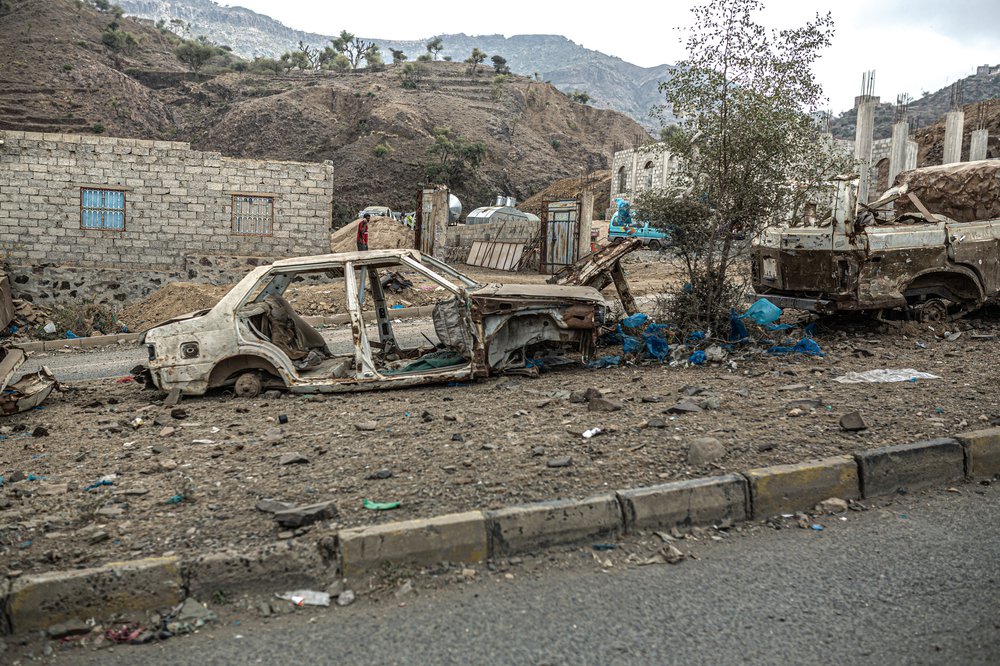
A burned out car in Taiz Governate, Yemen
“The UNSC is the global decision-maker in terms of dictating security measures in contexts experiencing persistent chronic conflict. We need the UN and UNSC to actually impose peace. The UN contributed to the interventions of South Sudan, but now they just condemn, they just talk, without actually doing anything. Statements are not enough. You need to bend the will of the party violating peace… Peace violators are roaming without risk of any harm.”
Riing Garwech Kuol, Founder and National Director, Child’s Destiny and Development Organization (CHIDDO) in South Sudan
“I’m trying to understand who can support us and who can influence this war to be stopped and in a very just way. Because justice in this war is one of the main issues. We cannot just stop this war and give our territories to Russia. This is about Ukrainians and their country – their culture, their heritage and history – and right not to be Russified. We want to be independent. We want to live with democracy.”
Anzhelika Bielova, President, Voice of Romni in Ukraine
Maria Libertad/Oxfam
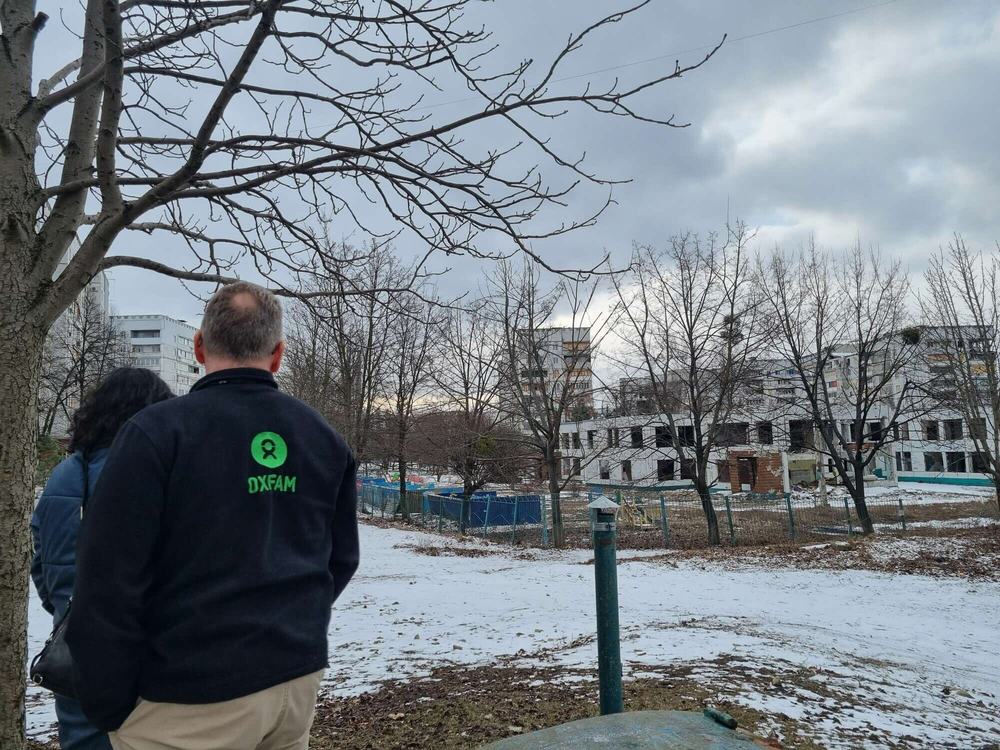
Damaged buildings in Kharkiv, Ukraine
Press contact
For comments, interviews, or information please contact the Oxfam GB Media Team:
- Landline: +44 7748 761999
- Mobile: +44 7748 761999
- Email: media.unit@oxfam.org.uk