Photo: Beth John/Oxfam GB

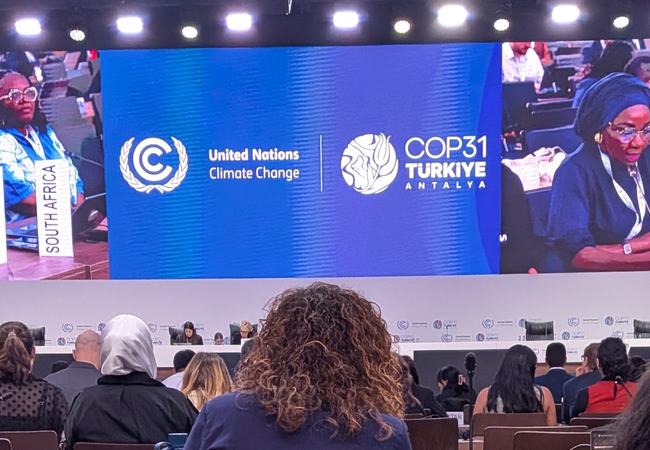
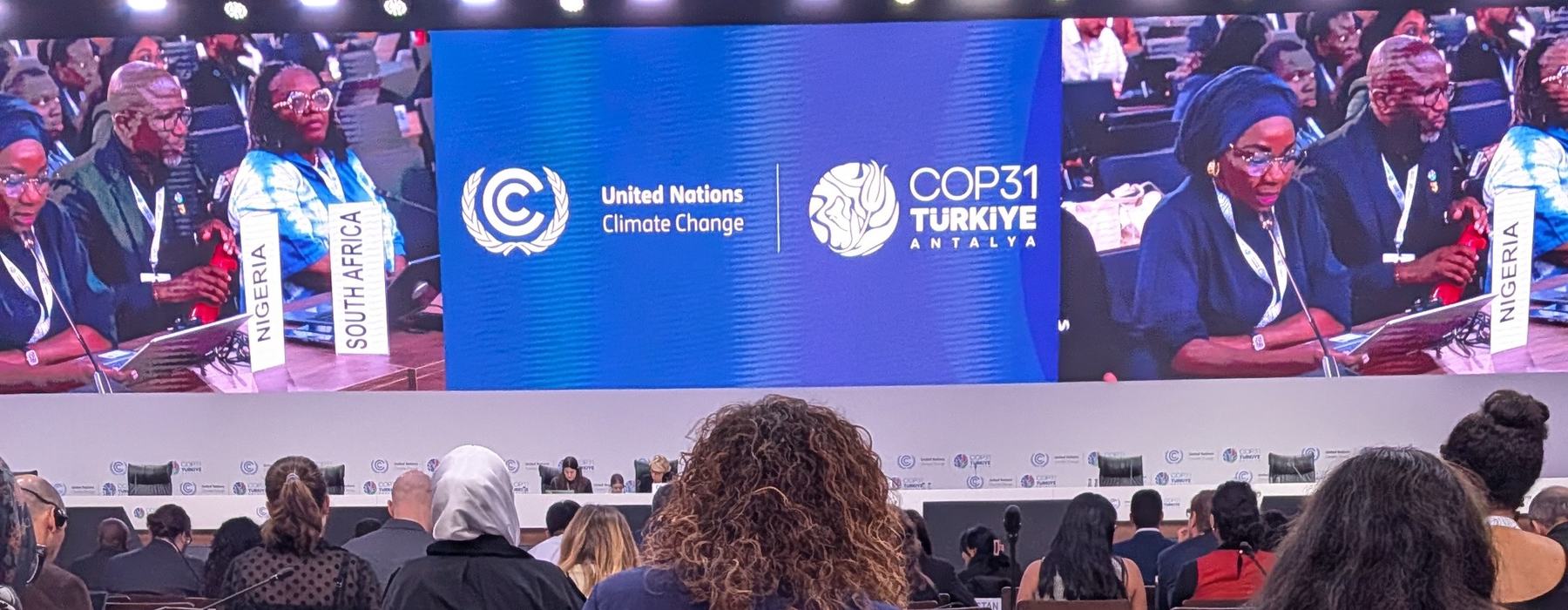
Delegates attend a COP31 meeting in Antalya, Türkiye, with a large screen displaying United Nations Climate Change and COP31 branding above the main room.

COP31: is no deal better than a bad deal?

Mateo Adarve Zuluaga

23 Nov, 2026 / 4 mins read time

Now that COP31 has ended without a deal – what does this mean for climate justice?

What happened at COP31?

Last weekend in Antalya, Türkiye, we witnessed a climate disaster. But we aren't talking about floods or wildfires. We're talking about the climate negotiations at COP31 (Conference of the Parties) that failed the world.

After two weeks of intense negotiations, including through the night, nationalist self-interest and private profit took precedence over the common good.

Several groups of countries blocked progress in the discussions, so they could go home and give their bosses the report they wanted to hear: "This time we committed to nothing; everyone relax, it won’t cost us anything."

Photo: Oxfam

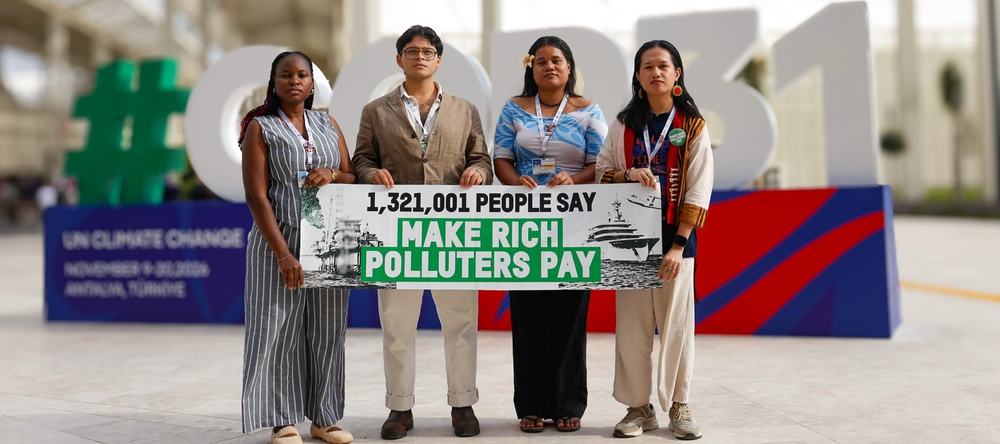
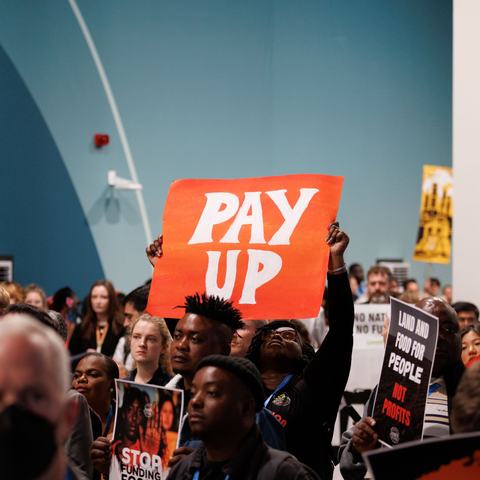
Climate campaigners pose with a banner reading “1,321,001 People Say Make Rich Polluters Pay” in front of COP31 signage at the UN climate conference in Antalya, Türkiye.

Could we have seen this disaster coming?

This didn’t necessarily come as a surprise: the warning signs were there. COP31 ended up as the story of a disaster we saw coming.

And this story begins with its hosts. For the first time, COP had two “co-presidents”: Türkiye and Australia. But the role these two G20 countries played suggests this was a failed experiment.

Didn’t the COP31 presidents want a deal?

Australia, as an industrialised country, never took the lead. They put no money on the table to protect the global majority and, instead, kept expanding fossil fuel extraction at home.

Türkiye, for its part, focused on what’s known as the ‘Action Agenda’: effectively its own list of topics it wanted to discuss, which were completely separate to the negotiation rooms.

Photo: Beth John/Oxfam GB
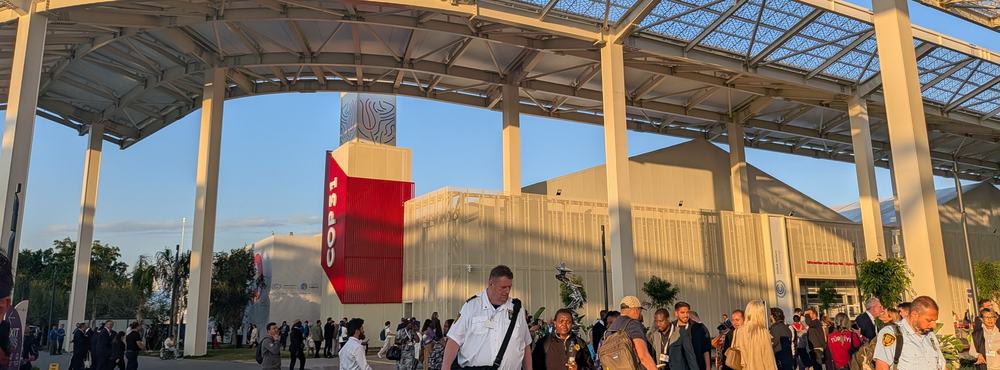
People arrive at the entrance to the UN climate conference venue in Antalya, Türkiye.

The focus on the Cover Decision

Instead of focusing on the formal negotiations, Türkiye and Australia prioritised the top line 'Cover Decision'. This is an overarching political text which for the last few COPs, countries have signed up to at the end of the two weeks, and it covers some of the key outcomes and targets from the discussions.

Trying to finalise this high-level document took up lots of time and energy throughout the two weeks of COP31, which distracted from making much-needed progress in the negotiation rooms.

And after all that, after over-running by two whole days, after four drafts of this text, and the last draft released at 3am – this agreement was rejected.

Why was there ‘no deal’?

Countries rejected this agreement for lots of reasons. It didn’t make any reference to fossil fuels or the historic ruling of the International Court of Justice that places responsibility on states.

And it tried to pass off dangerous distractions as progress on climate justice – such as a 35% electrification target by 2035, with no reference to renewable energy, or to the energy needs of the most vulnerable communities. It included false solutions such as Carbon Capture, Utilisation and Storage (CCUS).

Countries preferred ‘no deal’ to a ‘bad deal’.

Photo: Beth John/Oxfam GB

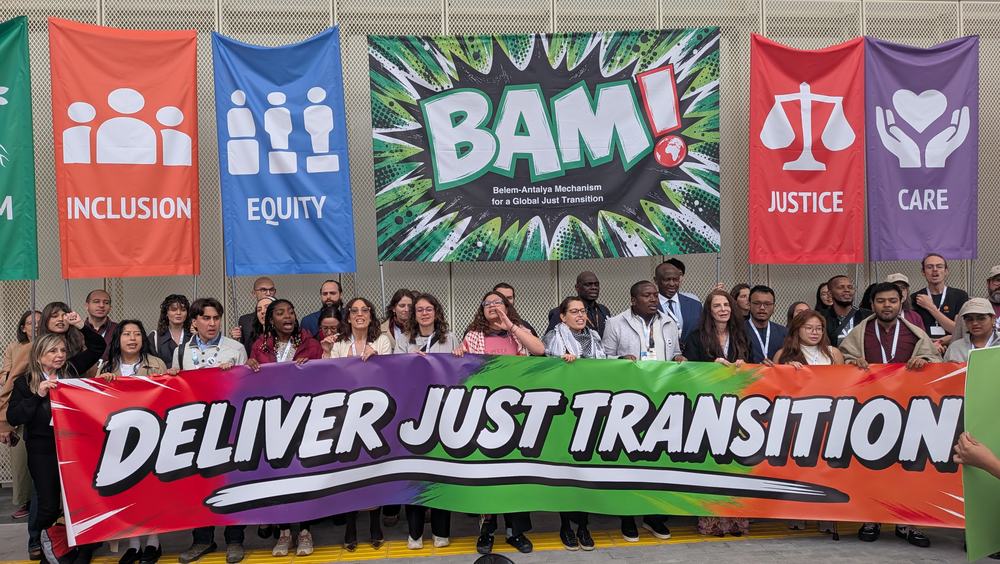
Campaigners hold a large “Deliver Just Transition” banner beneath signs reading “Inclusion”, “Equity”, “Justice” and “Care” at COP31.

Meanwhile, in the negotiations...

In the negotiation rooms, little progress was made on Oxfam’s key asks.

Firstly, discussions about the commitment to triple finance for adaptation to the changing climate (which was agreed at COP30 last year) didn't progress. This means that polluting countries will continue to pollute without paying the bill for protecting the global majority from the worst impacts of climate change.

Secondly, this COP should have set up an international body dedicated to ensuring the transition to renewable energy is fair and doesn't leave behind communities and workers affected – something known as a ‘just transition’. But these discussions were blocked by a small group of countries, including the UK, who did not want a new institution and have pushed back discussions until the next climate talks.

And thirdly, no list of saboteurs of climate diplomacy is complete without the petrostates. A petrostate is a country or political entity whose economy, government revenue, and foreign policy depend heavily on extracting and exporting oil or natural gas.

What about fossil fuels?

COP31 was yet another year in which countries such as Saudi Arabia and Russia blocked any chance of advancing the much-needed efforts to cut our carbon emissions and of agreeing concrete plans to move away from fossil fuels.

It is true that historical polluters must be the ones to reduce their emissions first and fastest. But this does not amount to a blank cheque for other oil-producing countries to keep polluting until their resources are exhausted, while deepening the world's dependence on the fossil economy.

Who pays the price?

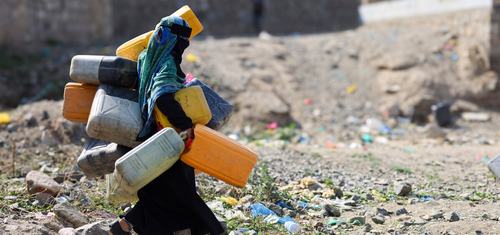
The true impact of this saga will hit the communities on the front lines of the climate crisis, who will have to keep facing climate disasters on their own.

Rich and polluting states continue to fail to meet their responsibilities and want to tell their own stories about this crisis, rather than take the real action needed.

Is 'no deal' better than a 'bad deal'?

And so, at COP31, climate justice was postponed for yet another year.

The good thing is that we don’t have a bad deal that locks us into a future that undermines climate justice. It means the fight still has hope.

It is clear that this is a new era of climate politics, one where, as the impacts of the crisis escalate, red lines become stronger in these negotiation spaces. Moving ahead without a formal outcome this year does not take us backwards, but it delays progress and takes up time we do not have.

At the next COP in Addis Ababa, we face the challenge of not repeating this saga.

To do that will require significant changes in both the process and the politics. The question is, are we up to the challenge?

Photo: Beth John/Oxfam GB

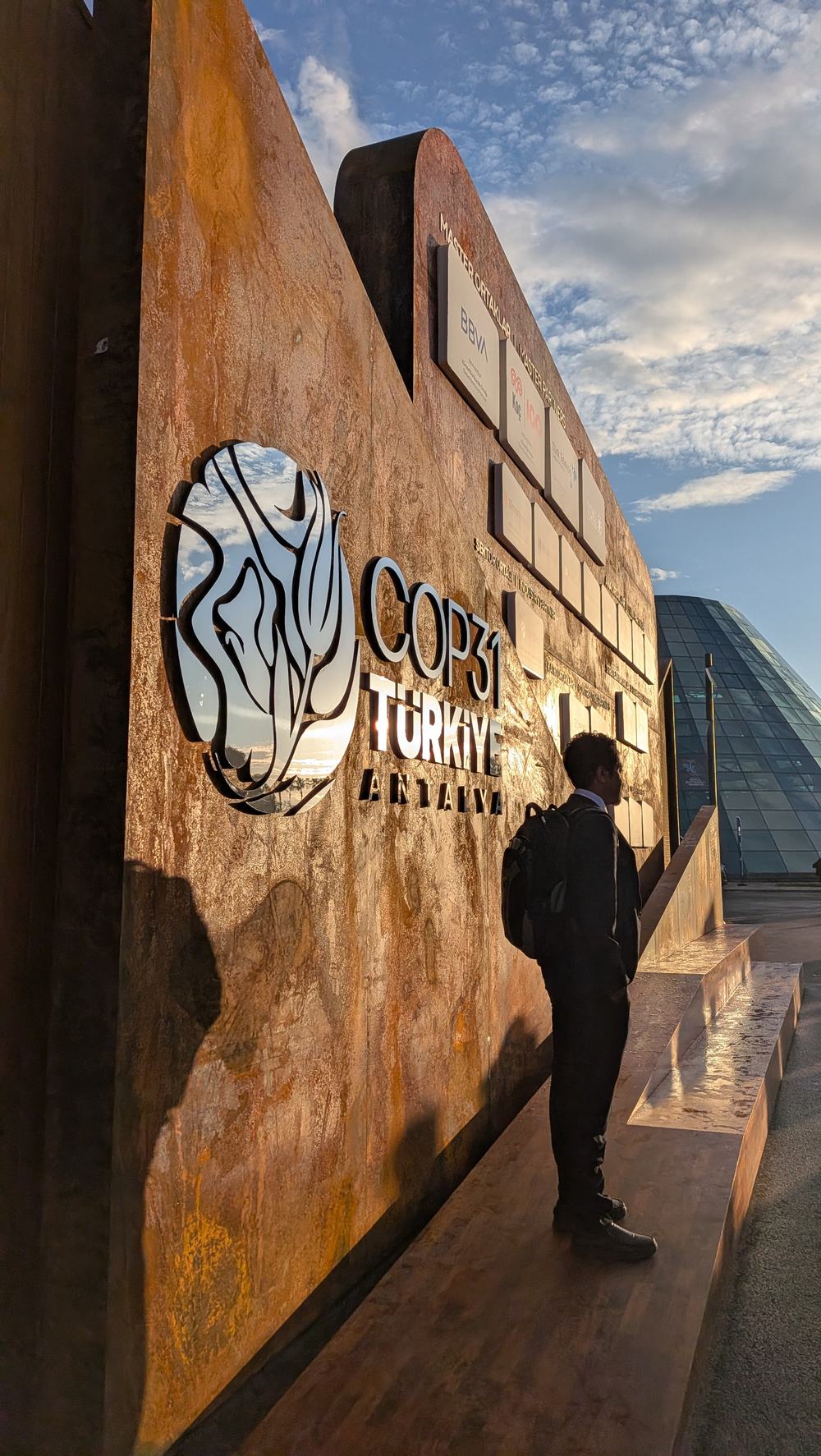
A person stands beside a large COP31 Türkiye Antalya sign outside the conference venue, in low evening sunlight.

About the author

Mateo Adarve Zuluaga is a Researcher in Climate Justice for Oxfam GB.