From Makerfield to Maputu: why global shocks demand a new story for international solidarity
Jean McLean

31 Jul, 2026 / 4 mins read time

Local pressures and global challenges are not competing priorities. They are part of the same story and rebuilding support for international solidarity means making those connections clear.

How do we rebuild support for international solidarity at a time when people are facing so many pressures at home? It is an important question. But it starts from a flawed assumption: that domestic and international concerns are separate.

They are not.

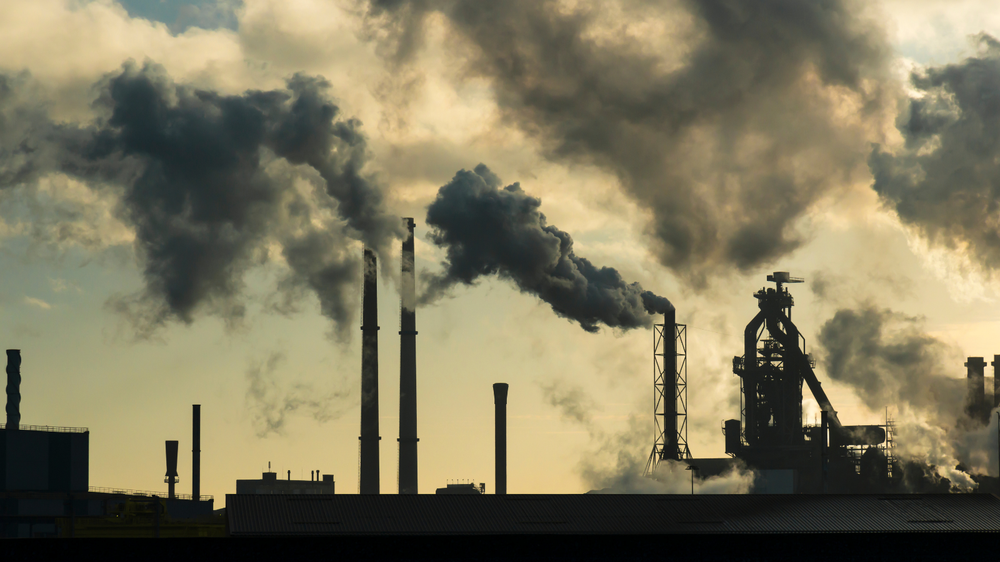
Global shocks are experienced most acutely in local communities, and it is often those with the least power and resources who bear the greatest burden. Energy prices, food costs, supply chain disruption and climate impacts all demonstrate how events beyond our borders shape everyday realities here in the UK.

The challenge for organisations like Oxfam and others in the INGO sector, is therefore not simply to defend international work. It is to explain why it matters – and why standing with communities facing poverty, conflict and climate breakdown is not an optional extra, but part of creating a fairer, safer and more resilient world for everyone.

A more interconnected world

The challenges facing communities around the world are increasingly interconnected.

Climate change, inequality, conflict, displacement and gender injustice do not operate in separate geographic silos. They reinforce one another, creating cycles of vulnerability that trap millions of people in poverty and increase insecurity far beyond the places where crises begin.

Recent global events have shown how quickly international instability can affect everyday life. Conflict can disrupt energy markets and supply chains. Extreme weather can affect food production and prices. Decisions made in one part of the world can have consequences far beyond national borders.

Climate change is no longer a distant or future threat. It is a present reality and it is driving:

  • extreme weather
  • hunger
  • displacement
  • humanitarian crises.

It is also contributing to pressures felt by households in the UK, from rising food prices to increased energy insecurity.

Moving beyond false choices

Too often, debates about international action are framed as a choice between supporting people at home and supporting communities overseas. This is a false choice. We can support families facing the cost-of-living crisis while also meeting our responsibilities to communities experiencing the worst impacts of climate breakdown.

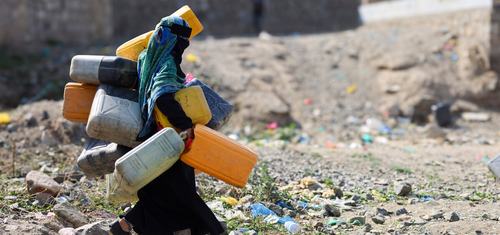
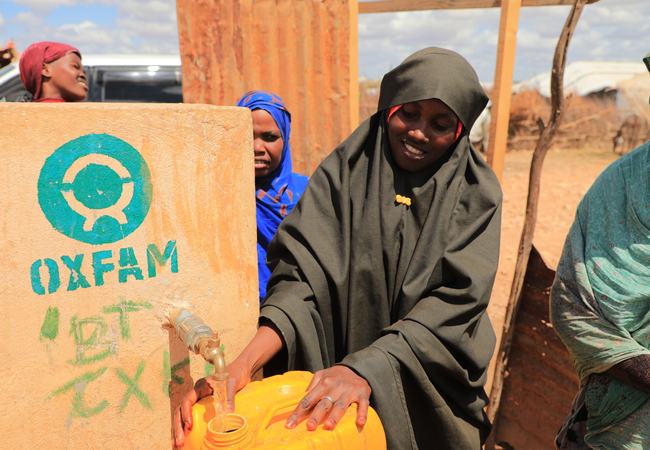
Families in the UK and communities in places like Somaliland are not on opposite sides of this equation. They are affected by many of the same global systems and they share an interest in building a fairer and more resilient future.

The real question is not what we can afford. It is whether those with the greatest wealth and the greatest responsibility for creating problems are contributing their fair share to solving them.

When we frame these issues through fairness, people understand the argument. They recognise that the burden should not fall on those with the least power – whether they live in Birmingham, Bradford or Bangladesh.

Climate justice is a powerful example of this.

Investing in renewable energy and climate resilience requires commitment, but it also offers a route towards greater energy security, independence from volatile global markets and protection from future shocks.

The argument for climate action is not only about reducing emissions. It is also about creating a fairer and more secure economy.

Rebuilding permission for international solidarity

Primrose Mulenga, 25, hangs laundry in the front yard of her home in the informal settlement in De Doorns, South Africa. Photo: Alexa Sedge/Oxfam.
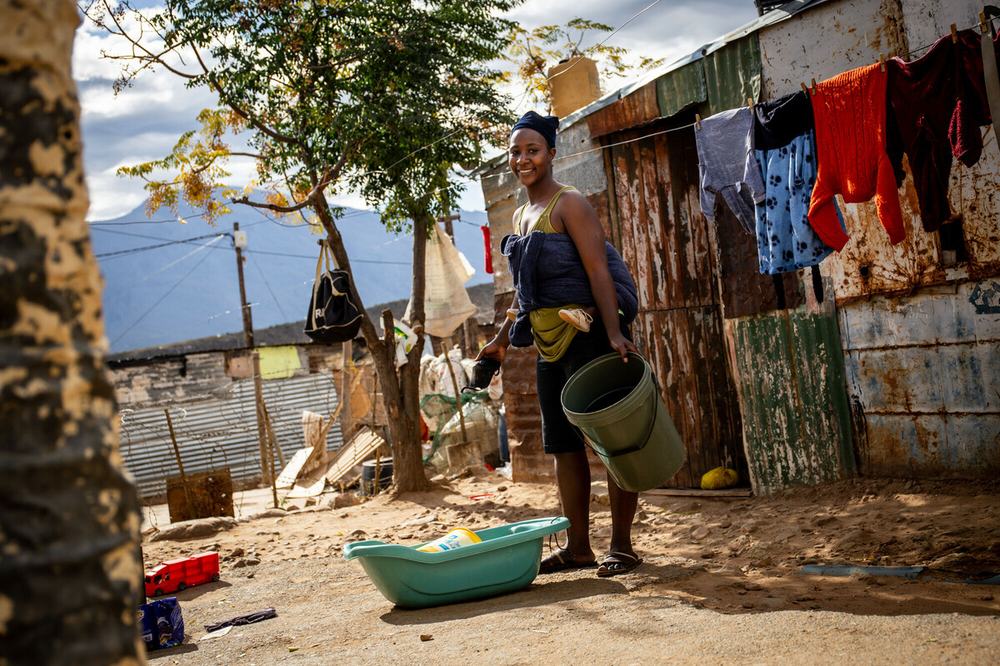

Primrose Mulenga, 25, hangs laundry in the front yard of her home in the informal settlement in De Doorns, South Africa.

For Oxfam and the wider international development sector, rebuilding support for international solidarity is one of the defining challenges of this moment.

The foundations for that support already exist – most people believe in fairness, they believe that those who contribute most to a problem should do more to fix it. They understand that no child should go hungry because of a drought they did not cause, and no family should be trapped in poverty because wealth and power are concentrated in the hands of a few.

The challenge is connecting those shared values to the realities of an interconnected world. International solidarity cannot be built on guilt. Nor can it be sustained by asking people to choose between their own communities and someone else’s.

Instead, we need a story that shows how our futures are connected.

Climate breakdown does not respect national borders. Economic inequality is shaped by global systems of power and wealth. Humanitarian crises increasingly have consequences that extend beyond the countries where they begin.

The case for international action therefore rests not only on compassion, important though that is. It rests on recognising that creating a safer, fairer and more resilient world benefits everyone.

Looking ahead

The task ahead is to make these connections visible.

Climate justice, gender justice and humanitarian action are not separate agendas. They are part of a wider effort to build societies that are fairer, more resilient and better able to withstand the shocks of an uncertain world.

The question is not whether people care about their own communities or communities elsewhere. It is whether we can show that the forces shaping both are increasingly connected.

That means listening to communities across the UK, understanding their concerns and aspirations, and demonstrating that tackling inequality, climate breakdown and humanitarian crises is not only an act of solidarity with people facing the greatest challenges today – it is an investment in the kind of world we all want to live in.

People in Oxford, Oldham, Makerfield and Morley do not need to choose between local prosperity and global justice. They need to see how the two are linked.

In an interconnected century, security, opportunity and dignity cannot be protected for some while denied to others.

Justice anywhere depends on justice everywhere.

About the author

Jean McLean is Chief Influencing Officer at Oxfam GB.