The State of Style 2026

Fashion has changed, but have our values? Oxfam's first State of Style report explores how Britain's shopping habits are reshaping our relationship with clothing, and the hidden environmental and social costs of buying more and wearing less. Focusing on water, we examine fashion's impact on people and the planet – and what a different future could look like.

The first permanent Oxfam shop opens on Broad Street in Oxford six years after the Oxford Committee for Famine Relief was established.
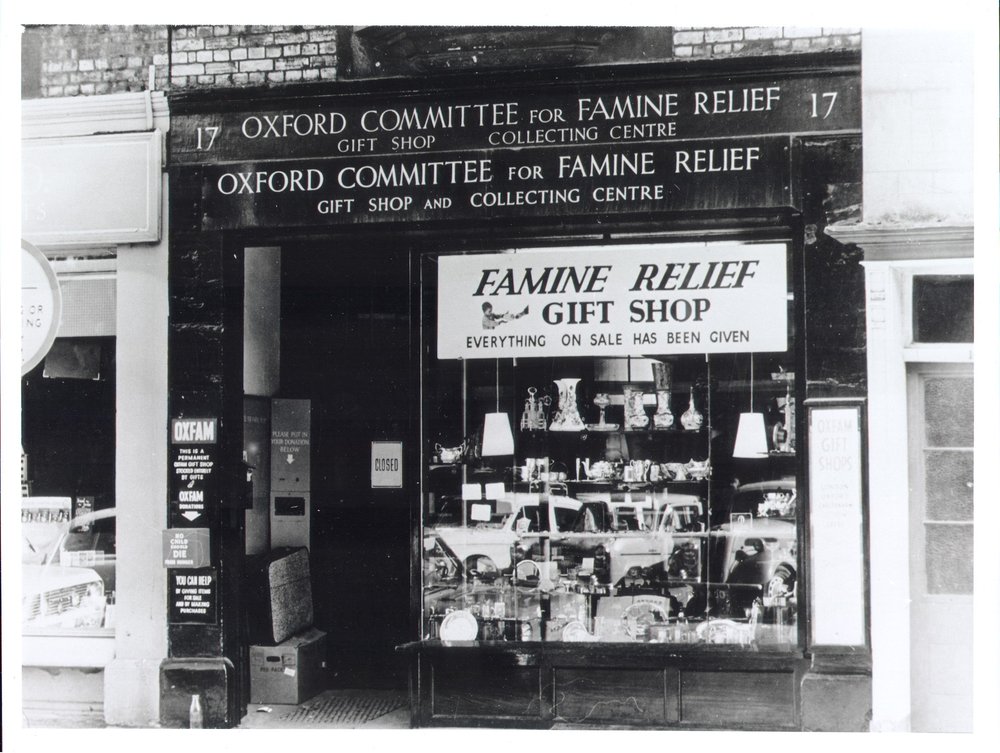
A black and white photo of an Oxfam shop in the 1940s in Oxford

The Second Hand Originals, since 1947

In 1947, a small shop opened on Broad Street in Oxford, selling donated goods to raise money for post-war relief. It's widely believed to be the world's first-ever permanent charity shop – and it was Oxfam's.

There was no language yet for ‘sustainable fashion’, it was simply that clothes with life left in them were passed on to raise funds for people in need.

Nearly eight decades on, that idea hasn't changed – only the scale of it. Oxfam now runs over 500 shops across the UK, together helping fund our work in more than 75 countries.

Every second-hand donation and sale still does exactly what it did on Broad Street: turning something no longer needed into practical support for people facing poverty and climate crises – from helping families access clean water to supporting farmers recovering from floods and droughts, and communities preparing for future climate shocks.

Before the algorithms, before it was fashionable, that's where second-hand started. Not as a trend to follow, but as a genuinely original way of doing good, to help create a fairer world.

Photo: Sane Seven

Original style isn’t about buying more. It’s about finding pieces with a story, keeping them for as long as you can, and passing them on for someone else to discover. We’ve already got too much of everything. Reusing and upcycling clothing – second-hand, vintage, call it what you like – just makes perfect sense.”

Richard E. Grant, actor.

The State of Style report features comment from Oxfam's Second Hand September supporters Richard E. Grant, Michaela Coel, Eunice Olumide MBE, and Bay Garnett.

A brief timeline

  • 1947 – Oxfam's first shop opens on Broad Street, Oxford
  • 1974 – Our first ever ‘nearly new’ fashion show takes place, encouraging second hand shopping
  • 1994 – The first Oxfam Festival Shop opens at Glastonbury Festival
  • 1996 – Oxfam’s ‘clothes code’ campaign launches, calling for retailers to adopt a basic code of rights for those working in the clothing industry
  • 2007Oxfam's online shop launches, the first dedicated charity ecommerce site
  • 2017 – Our first-ever runway show, ‘Fashion Fighting Poverty’, takes place during London Fashion Week
  • 2019 – Second Hand September launches
  • 2025 – Oxfam high street and online shops raised almost £100m to fight poverty, inequality, and injustice around the world
  • 2026 – Oxfam Rental launches, the UK’s first national charity-backed clothing rental service

Key findings from the State of Style report

  • Almost two thirds of people (64%) buy clothing they weren't actively looking for, after seeing items on social media, apps or online shopping platforms
  • A third spend less than 10 minutes deciding to buy a new item of clothing
  • 57% say social media influences their clothing purchases
  • Three quarters (78%) feel it’s becoming harder to find clothes that feel individual
  • Almost three in five (57%) feel pressure to update their wardrobe and keep up with changing trends
  • Among 18-24 year-olds, algorithms are cited as the single biggest influence on what they wear or buy by 45% – markedly higher than the 27% seen across the population as a whole
Download the full report

Britain's wardrobes in numbers

20 new purchases

are made by each person, on average, every year

32% of our wardrobe

is never worn

1 in 5 people

throw clothing away rather than repairing, donating, or reselling

The hidden resources behind every garment

Every item of clothing requires raw materials, energy, labour and water to produce. And when clothes are worn only a handful of times – or not at all – those resources are effectively wasted.

Take water. The fashion industry uses around 93 billion cubic metres of water every year globally: the equivalent of 37 million Olympic-sized swimming pools. In the UK, the clothing we buy each year has a water footprint of around 8 billion cubic metres, enough to meet the UK's water needs for two years. Producing a single pair of jeans takes around 16,000 litres of water.

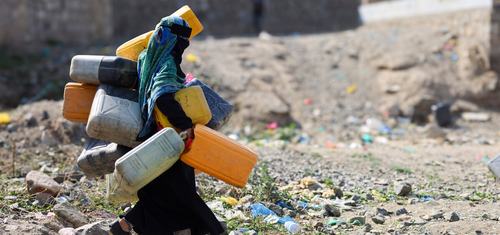
Water is increasingly both an environmental and humanitarian challenge. Today, 2.3 billion people live in water-stressed countries, 1.8 billion lack access to safe water at home, and nine in ten climate-related disasters are linked to water – through floods, droughts, or changing rainfall patterns.

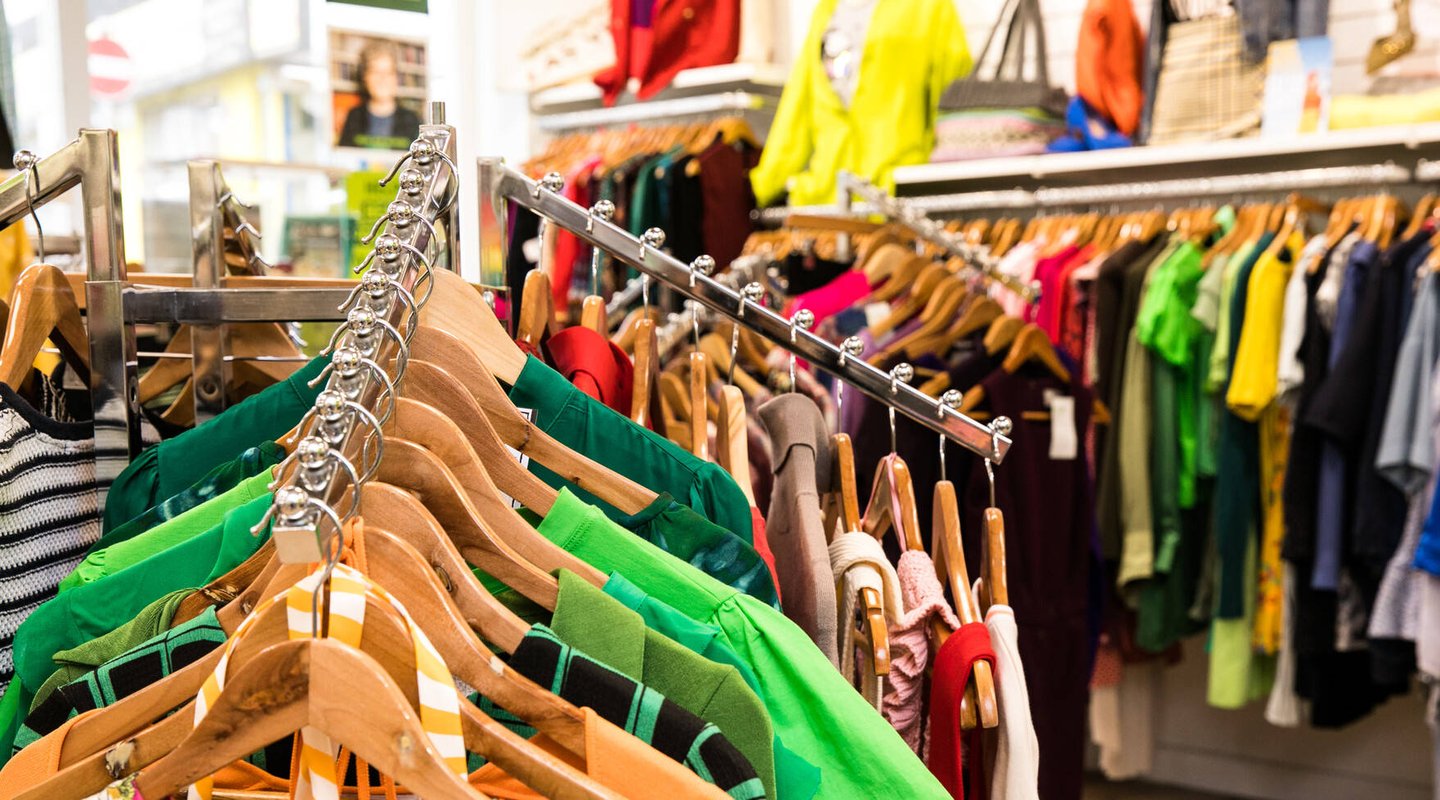
Extending the life of our clothes helps to reduce demand for new production and the resources it requires.

Photo: Fiona Finchett/Oxfam

The Second Hand Style Manifesto

  1. Buy for your wardrobe, not your feed.
  2. Look for what’s already out there.
  3. Repeat outfits proudly.
  4. Repair before replacing.
  5. Choose individuality over trends.

Looking ahead

The State of Style is the first in an annual series. Each year, Oxfam will build on this evidence base to track how Britain's relationship with fashion evolves, creating a richer understanding of the choices we make, the systems that shape them and the opportunities to build a fashion future that is more individual, more circular and more sustainable.