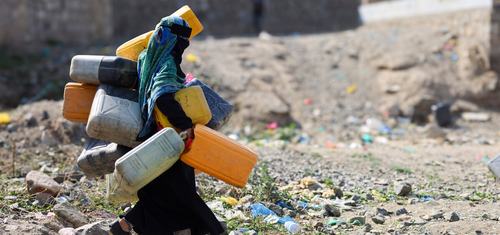
As death toll passes 1,000, Oxfam warns that this will not be the last climate-related disaster of its kind.
Nepal Photo Library
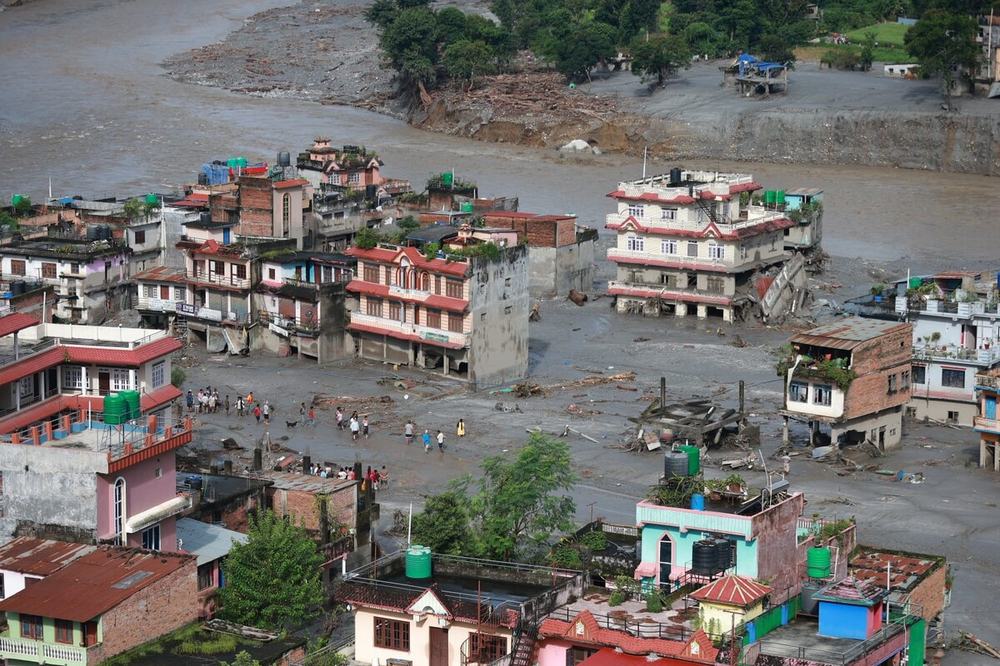
“Nepal contributes just 0.1% of global emissions, yet our communities are paying a devastating price as climate risks grow. Nepal’s devastating floods should be a wake-up call for governments and donors. We cannot keep waiting for disasters to happen. In a burning world, climate shocks will become more frequent here and communities need the resources to prepare, adapt and become more resilient before the next disaster strikes.”
Santosh Pandey, Humanitarian and Disaster Risk Management Lead for Oxfam in Nepal
“The lesson from Nepal is clear: resilience saves lives. If we only fund the response after a disaster, we will always be one step behind. Communities need sustained investment to prepare for the shocks we know are coming”
Santosh Pandey
Xinhua/Shutterstock
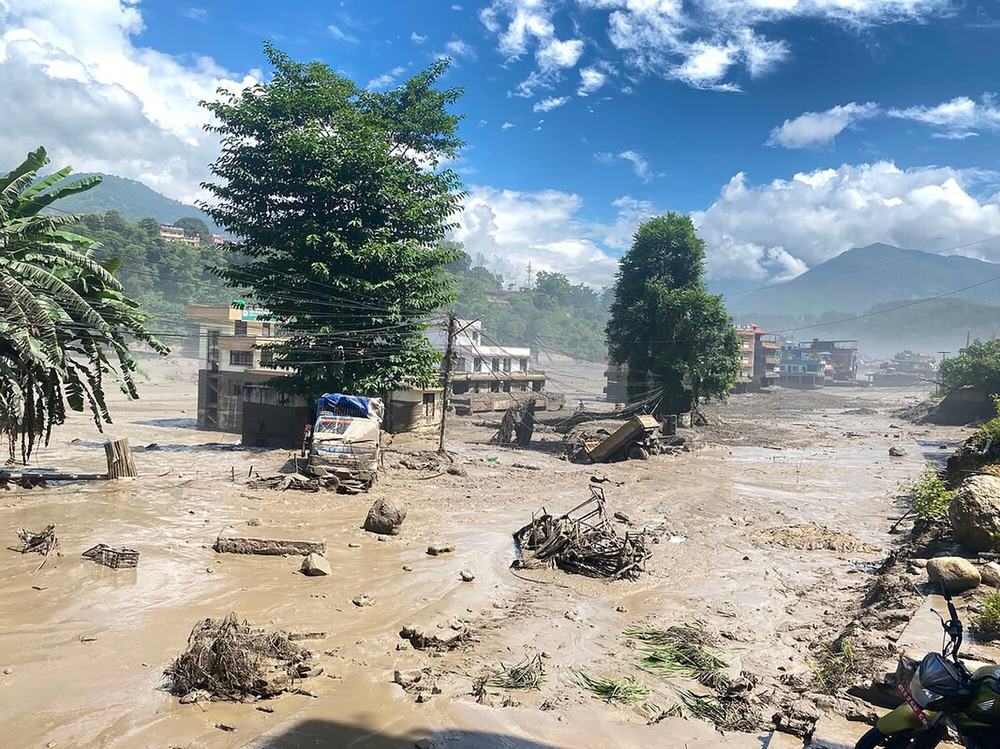
“This will not be the last climate-related disaster of its kind. The Fund for Responding to Loss and Damage (FRLD) was established precisely to support countries and communities facing the irreversible impacts of climate change, particularly where adaptation measures are no longer sufficient. This catastrophic event, driven by climate-induced glacial melt, demonstrates the growing reality of climate loss and damage and the urgent need for rapid, accessible financing”
Jo Trevor, Water Security Lead, Oxfam
Oxfam emergency response
Press contact
For comments, interviews, or information please contact the Oxfam GB Media Team:
- Landline: +44 7748 761999
- Mobile: +44 7748 761999
- Email: media.unit@oxfam.org.uk
Your next read
Donate now to help survivors in Nepal affected by August's devastating flash floods.
Sign the petition to make rich polluters pay.
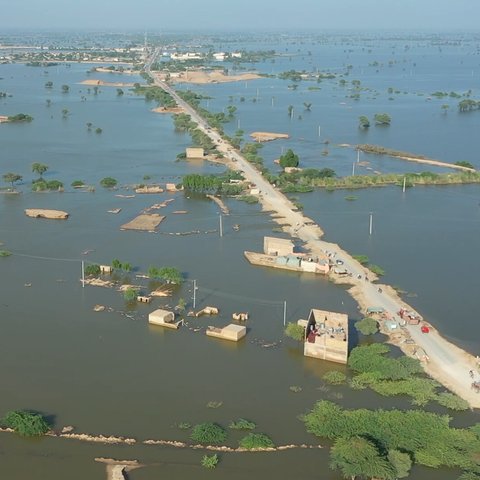
Climate change results in more intense rainfall, which increases the chances of flooding.