Oxfam urges public to support shops as changing market reshapes charity retail

Published on

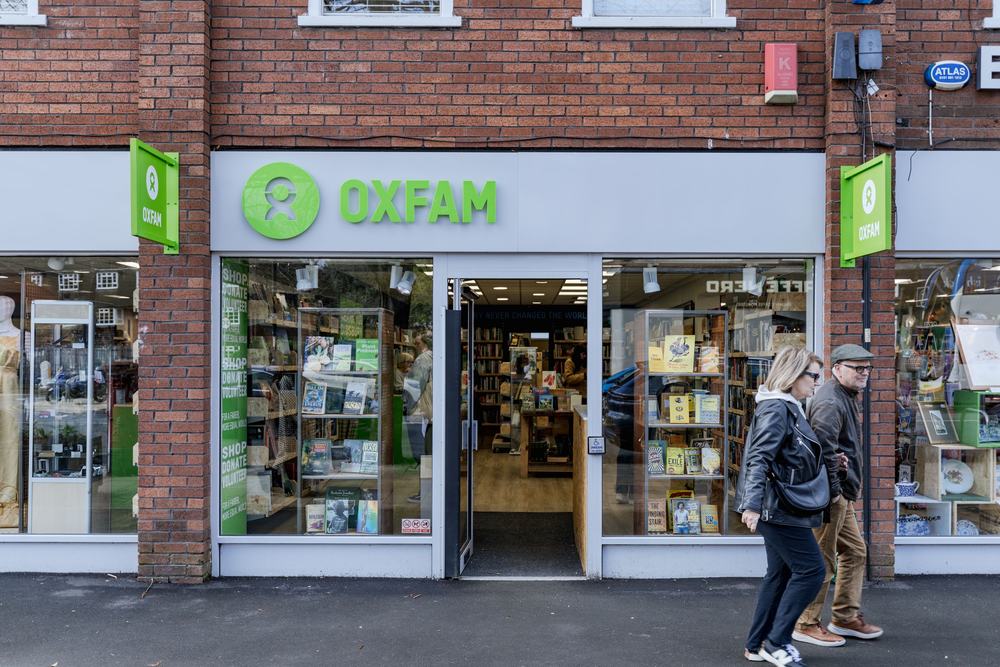
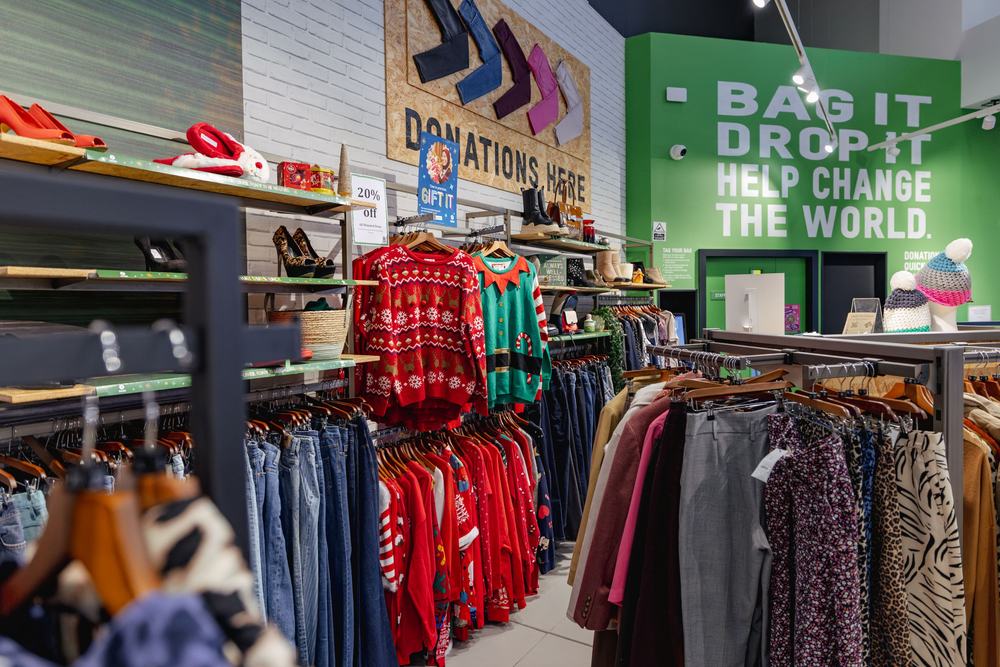
Oxfam is calling on the public to keep donating to and shopping in charity shops, as it highlights the changing face of charity retail and the vital role public support plays in helping the sector adapt and thrive.

Like the wider retail sector and high street, charity retail is navigating a challenging trading environment, with rising costs and changing consumer habits. It is also facing additional pressures from falling textile values and competition from online resale platforms. However, Oxfam believes charity retail has a strong future – providing charities continue to innovate and the public continues to support them.

The call comes as the charity recorded an operating profit of £4.9 million across its retail network in the financial year ending March 2026, compared with £6.4 million the previous year. The charity says the decline reflects wider pressures facing the retail sector and changing economics within the second-hand market.

While recognising the sector is shifting, Oxfam believes this is a moment for transformation: “Charity retail is undoubtedly facing challenges, but we should not mistake change for decline,” comments Richard Hawkes, Oxfam GB Chief Executive. “This is not the end of charity retail; it is a transformation, and one that brings enormous opportunities.

“We keep hearing that there is a crisis in the charity retail sector, but the growth of second-hand shopping is something we should embrace rather than be concerned about. We have to innovate and think differently about how we reach customers and we’re doing exactly that – opening new shop formats, developing our online offer and finding new ways to make the most of the things people donate.

“We're proud to continue generating an operating profit across our retail network. Our shops also offer so much more than income: they bring people together, support communities and provide opportunities for more than 20,000 volunteers, especially for young people who may be facing barriers to entering the workplace.”

Fiona Finchett / Oxfam

The changing economics of the second-hand market are also having a significant impact on charities. The price Oxfam receives for rag – textiles that cannot be resold or reused – has fallen from 38p per kilogram in August 2021 to just 9p in June 2026, a drop of 76%.

At Oxfam's warehouse in Batley, West Yorkshire, once the charity's main textile recycling hub, the operation is adapting to the changing market. Previously focused largely on processing textiles for recycling, the site now supports Oxfam's booming online book operation, as well as handling jewellery, music, postal donations and stock for its festival shop.

In January it will also house a new automated textile-sorting machine as part of The Circuit, a collaboration between Oxfam, M&S, New Look, Sainsbury’s and Circle-8, which will help separate unwanted textiles for reuse and recycling and turn non-reusable fibres into raw materials for future textile production.

“

The market has changed enormously and falling textile prices mean we have to find new ways to make the most of every donation. We're continually looking at how items can be reused, resold or recycled, so that as much value as possible can be created from the things people give us.”

Andrew Flintoff, site manager at Oxfam's Batley operation

The changing charity retail landscape comes at a time when the environmental case for buying and donating second-hand has never been stronger.

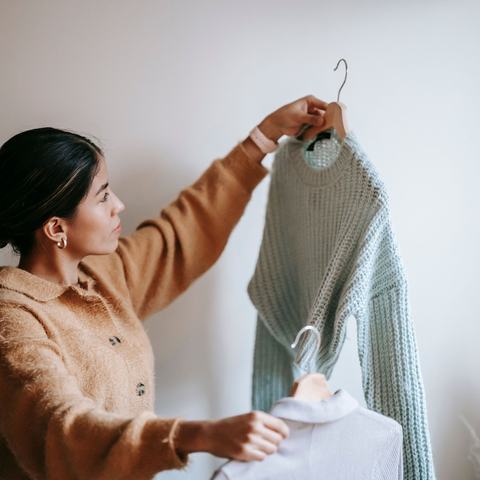
Oxfam's State of Style report found that 32% of people's wardrobes contain clothes they haven't worn in the past year, while one in five people throw unwanted clothes away rather than donating, repairing or reselling them. Charity shops have an important role to play in changing these habits, making second-hand shopping accessible and keeping valuable items in circulation.

Oxfam is also embracing new ways to reach second-hand shoppers. It was the first charity retailer to launch a virtual wardrobe on Vinted and continues to work in partnership with the platform to bring pre-loved fashion to new audiences and raise funds for its lifesaving humanitarian work.

Its retail innovation extends to physical shops too. Oxfam's out-of-town superstores in Oxford and Manchester attract average customer spending around ten times higher than a traditional Oxfam shop. Online book sales are also booming, in Batley alone sales are generating an estimated £10,000 a week.

Fiona Finchett / Oxfam

Oxfam's Superstore in Manchester which opened its doors in 2023

Hawkes added: “The second-hand market is growing and changing, and we want Oxfam to be part of that future. Our partnership with Vinted, our superstores and the growth of our online business all show how charity retail can evolve.

“But we need the public to come with us. Please keep donating good-quality, clean and saleable clothes, books, music and household items, and keep shopping with us, both in our shops and online.

“The impact goes beyond the money raised. Our shops bring communities together, create volunteering opportunities and encourage more sustainable choices. Every purchase can have a ripple effect. Someone buying a £10 dress might be inspired to donate their own clothes, volunteer or become a regular supporter.

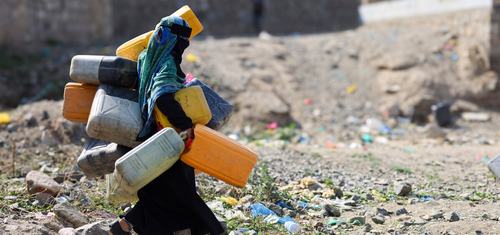
“And it's important to remember that Oxfam doesn't exist to run shops. Our retail network exists to support our humanitarian work around the world, raising vital funds to help people overcome poverty and inequality and respond to emergencies. We've been doing this since 1947, and with the public's support, we intend to keep doing it for at least another 80 years.”

  • Oxfam recorded retail operating profit of £4.9 million in the financial year ending March 2026, compared with £6.4 million in the previous financial year. The figure will be published in annual report and full annual accounts in December. Accounts ending March 2025 can be found here.
  • More information about Circuit can be found here
  • Oxfam's State of Style report explores the environmental and social impacts of the fashion industry.

Press contact

For comments, interviews, or information please contact the Oxfam GB Media Team: