Surprising_Media / Pixabay

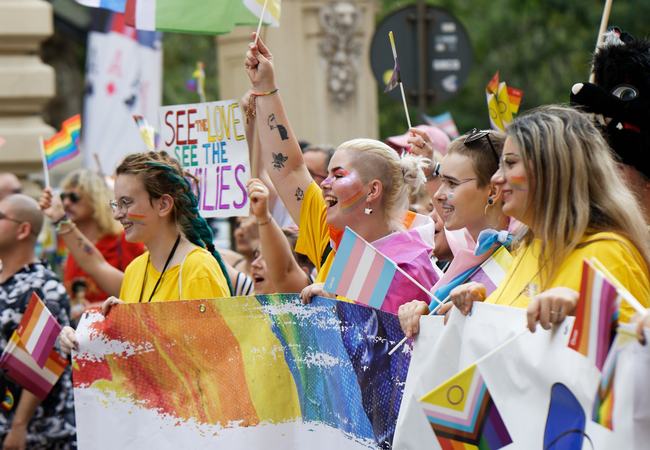
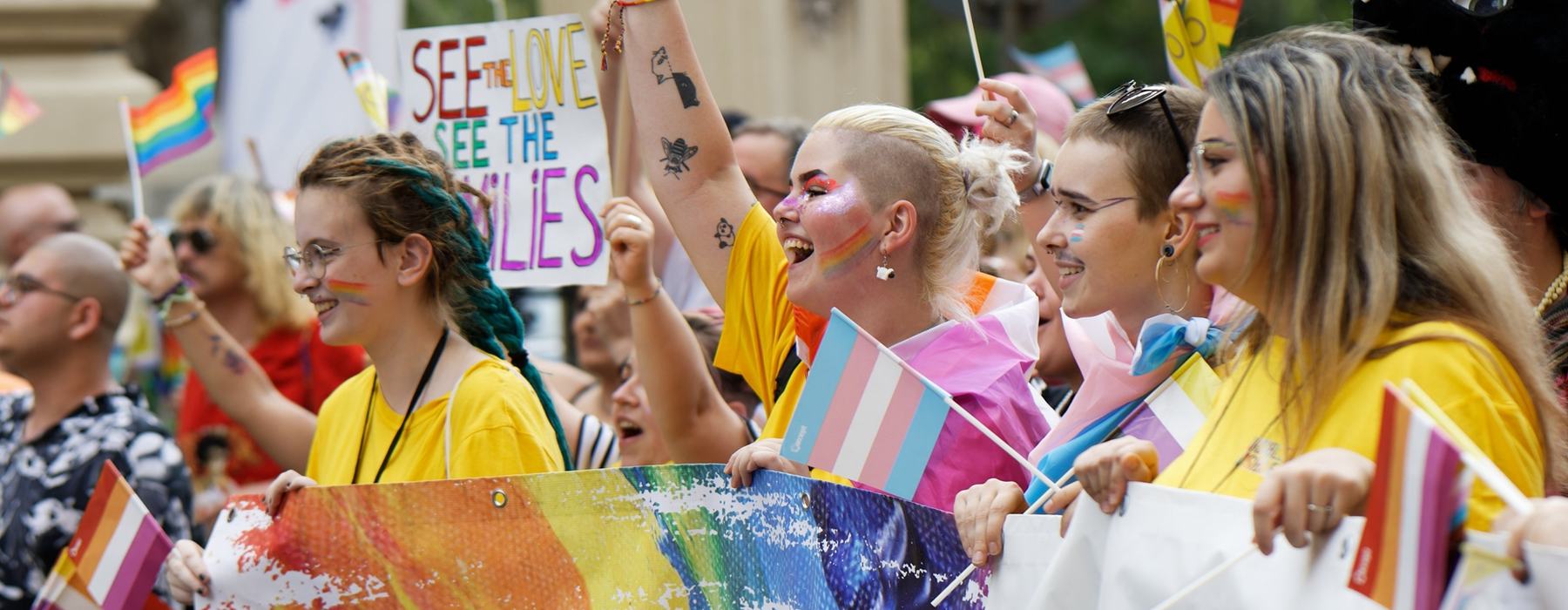
A group of young people at a Pride march holding LGBTQIA+ flags and banners

Equality means equality for all

Marie Hadaway

28 Jul, 2026 / 4 mins read time

So many of us can take our rights for granted, enjoying freedoms and protections without a second thought. But for the lesbian, gay, bisexual, transgender, queer, intersex, and asexual/aromantic (LGBTQIA+) community, daily life can often be marked by violence, discrimination and prejudice.

We all deserve the right to live in safety, dignity, and peace. If we believe in equality, then we must believe in equality for all.

In the UK, we were once ranked the most LGBTQIA+ friendly country in Europe. Fast forward a few years and now we’re not even in the top ten.

The reality of that decline means that many people in the LGBTQIA+ community are facing an increasing threat of violence, and discrimination, simply for being themselves.

And globally, the Ipsos LGBT+ Pride Report 2025 shows support for many rights and issues is declining.

The following provides just a snapshot of the reality for many LGBTQIA+ people today, with most people affected not reporting their experiences to the police.

The latest hate crime statistics released by the ONS reveal that England and Wales continue their decline into a less safe place for lesbian, gay, bi and trans people.

  • Almost one in five LGBTQIA+ people have experienced homelessness at some point in their lives.
  • Research shows the annual income of UK LGBT+ workers is, on average, almost £7,000 less than their straight, cis-gendered counterparts.
  • 18% of LGBT+ people who were looking for work said they were discriminated against because of their identity when trying to get a job.

These findings come as the widening divide through misinformation in our politics and media continues. This heightened awareness often leads to the dismissal of the violence and discrimination faced by LGBTQIA+ people every day.

How does Oxfam support LGBTQIA+ rights?

Whenever and wherever disaster strikes, it’s often people already facing discrimination based on their race, gender, sexuality and more who suffer most. It creates a perfect storm, hitting hardest for people already disempowered. For LGBTQIA+ people that can be the difference between surviving, and not.

Providing safety to LGBTQIA+ people fleeing Ukraine

When the war in Ukraine triggered the biggest refugee crisis since World War II, people like Vlad Viski from our partner organisation MozaiQ helped provide safety to LGBTQIA+ people fleeing into neighbouring countries, like Romania. 

There is the issue of the shelters and how they address the issues specifically for transgender people when it comes to gendered shelters – making sure they are not victims of violence or bullying and harassment in these shelters. With support from Oxfam, we've been able to offer a shelter for these vulnerable groups. To give out assistance, legal and psychological counselling, to make sure that minority refugees are well-treated by the Romanian state and that they are protected.”

Vlad Viski, MozaiQ (an Oxfam Partner)

When a crisis happens, like the war in Ukraine, Oxfam has been able to quickly reach many people fleeing the horrors of war by forming partnerships with local organizations like MozaiQ, who are already working within the community. Many of these people were already facing discrimination and violence.

Supporting the rights of Roma women and girls

Among these partners are FILIA – a champion for the voices of women and girls, and eRomnja, dedicated to the rights of Roma women and girls, and survivors of gender-based violence.

A partnership to strengthen the LGBTQIA+ community in Ukraine

We’re also proud to have partnered with Gay Alliance Ukraine (GAU) strengthening the LGBTQIA+ community in Ukraine, advocating for human rights and improving life for many LGBTQIA+ people.

Most of the problems are the same problems that are faced by the ordinary citizens of this country. It is vulnerability to aggression. It is the lack of certainty that you or your home will be protected. But they are also compounded by problems related to discrimination, and homophobia. In the last six months alone, in Kyiv we recorded about 50 attacks on members of the LGBT community by militarised groups. We help with food, medicine, and hygiene kits,”

Anna Leonova, Executive Director of Gay Alliance Ukraine.

Alona Malashyna / Oxfam

With support from Oxfam, GAU is working to improve the well-being of the LGBTQIA+ community in Ukraine, particularly those affected by the war.
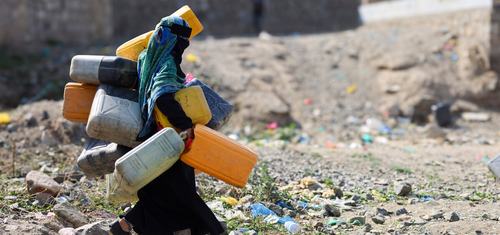
The kits distributed by Gay Alliance Ukraine include essentials like soap, a secure bucket to store clean water, detergent for washing clothes, and menstrual products.

Why does Oxfam support LGBTQIA+ people?

Oxfam GB doesn’t specialise in LGBTQIA+ rights. But we do understand that unless we recognise all the ways power and oppression trap people in poverty, we’ll never build a fairer, more equal world.

We partner with a number of organisations on programmes to support LGBTQIA+ people.

By pooling resources and expertise with partners already established in local areas, we’ve been able to rapidly help provide the specialist support that LGBTQIA+ people need, that includes:

  • Establishing safe spaces so that people do not fall victim to violence or bullying and harassment.
  • Providing cash assistance so people can buy the essentials they so desperately need at a time of crisis.
  • Legal advice to help people access the social welfare or assistance that they are entitled to.

None of us are safe until we’re all safe

We all deserve equality and to have our rights respected. But the reality is we’re living in an increasingly unequal and divided world. A world which allows the richest 1% to get richer, whilst unstable governance, soaring living costs, conflict and a changing climate is leaving millions of us without life’s basics – clean water, food, healthcare, and homes.

Discrimination, mistreatment, and other inequalities based on people’s race, nationality, sex or gender, sexuality, or any other defining characteristic are also on the rise. They damage people’s health and create impossible barriers to jobs, housing. And at the same time, increasing their likelihood of living in poverty.

Only by recognising the safety and well-being of all people can we create a fairer, more equal world. Equality isn't a privilege – it's a fundamental human right, meant for every single one of us.

If we believe in equality, then we must believe in equality for all.