The State of Style 2026
Fashion has changed, but have our values? Oxfam's first State of Style report explores how Britain's shopping habits are reshaping our relationship with clothing, and the hidden environmental and social costs of buying more and wearing less. Focusing on water, we examine fashion's impact on people and the planet – and what a different future could look like.
The first permanent Oxfam shop opens on Broad Street in Oxford six years after the Oxford Committee for Famine Relief was established.
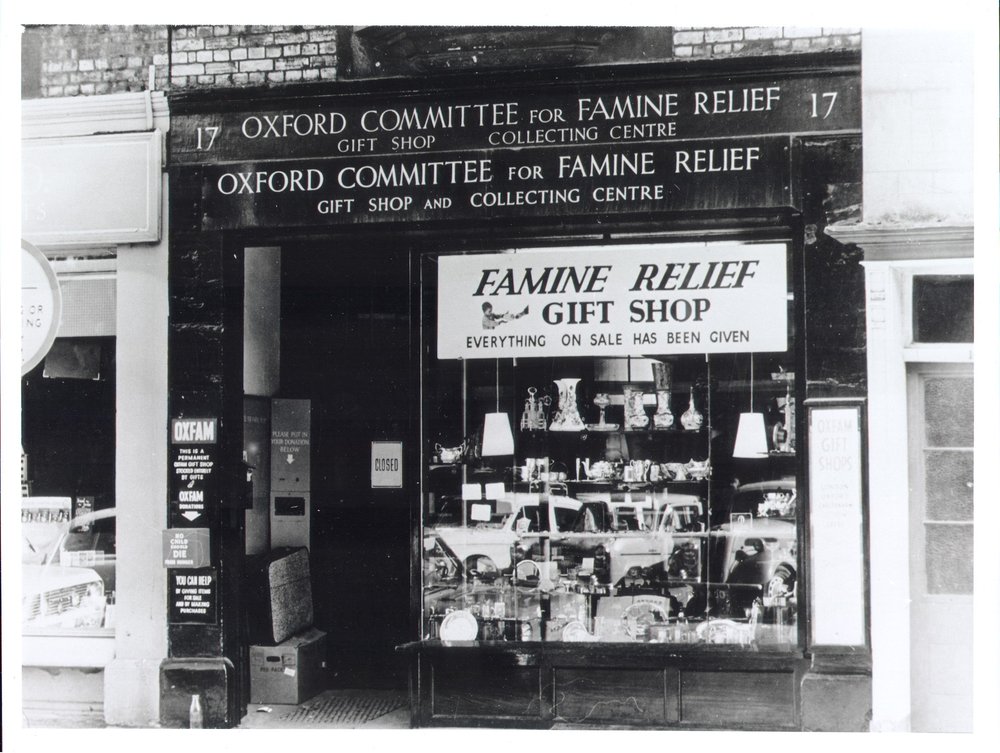
The Second Hand Originals, since 1947
Photo: Sane Seven
Original style isn’t about buying more. It’s about finding pieces with a story, keeping them for as long as you can, and passing them on for someone else to discover. We’ve already got too much of everything. Reusing and upcycling clothing – second-hand, vintage, call it what you like – just makes perfect sense.”
Richard E. Grant, actor.
The State of Style report features comment from Oxfam's Second Hand September supporters Richard E. Grant, Michaela Coel, Eunice Olumide MBE, and Bay Garnett.
Key findings from the State of Style report
- Almost two thirds of people (64%) buy clothing they weren't actively looking for, after seeing items on social media, apps or online shopping platforms
- A third spend less than 10 minutes deciding to buy a new item of clothing
- 57% say social media influences their clothing purchases
- Three quarters (78%) feel it’s becoming harder to find clothes that feel individual
- Almost three in five (57%) feel pressure to update their wardrobe and keep up with changing trends
- Among 18-24 year-olds, algorithms are cited as the single biggest influence on what they wear or buy by 45% – markedly higher than the 27% seen across the population as a whole
Britain's wardrobes in numbers
are made by each person, on average, every year
of our wardrobe is never worn
throw clothing away rather than repairing, donating, or reselling
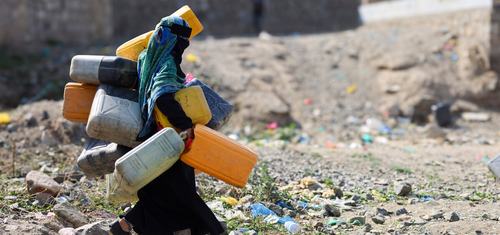
The hidden resources behind every garment
Photo: Fiona Finchett/Oxfam
The Second Hand Style Manifesto
- Buy for your wardrobe, not your feed.
- Look for what’s already out there.
- Repeat outfits proudly.
- Repair before replacing.
- Choose individuality over trends.