Britain’s unworn clothes waste enough water to supply one million people for life

Published on

Short URL: https://www.oxfam.org.uk/mc/u6h82c/

Oxfam’s inaugural State of Style report reveals billions of litres of water are being used to make clothes that sit unworn in Britain’s wardrobes, as the UK endures a second consecutive summer of drought

To mark the start of Second Hand September, new research from Oxfam published today (Tuesday September 1), reveals the water used to produce the nation’s unworn clothing is equivalent to a lifetime’s supply for one million people - as 40% of people admit to wearing outfits once.

The report highlights the hidden environmental cost of Britain’s fashion habits, revealing a cycle of impulse buying, one-wear outfits and clothing waste that is placing growing pressure on the planet’s water, energy and raw materials.

Key findings

  • Britain’s unworn clothes waste enough water to supply one million people for life
  • A third (32%) of the UK’s wardrobes have not been worn in the past year
  • 4 in 10 Brits have worn an item of clothing just once. The water hidden in those barely worn new garments would fill 88 billion single-use water bottles
  • Almost two thirds (64%) have bought clothes they weren’t actively looking for after seeing them on social media, shopping apps or online shopping platforms
  • One in five people (20%) still throw unwanted clothes away rather than donating, repairing or reselling them.

The findings come as parts of Britain experience a second consecutive summer of drought, putting fresh attention on the vast amount of water embedded in the clothes we buy.

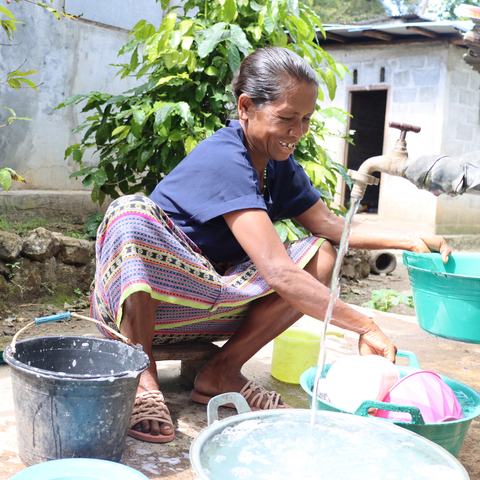
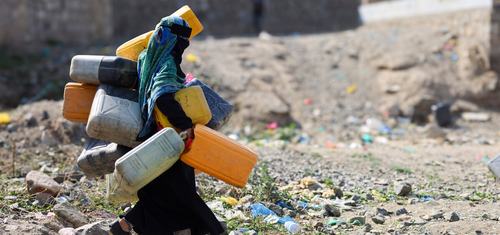
From growing raw fibres to dyeing fabrics, manufacturing clothes requires massive amounts of water. Every unworn item represents vital resources already wasted, mostly taken from countries desperately fighting extreme drought.

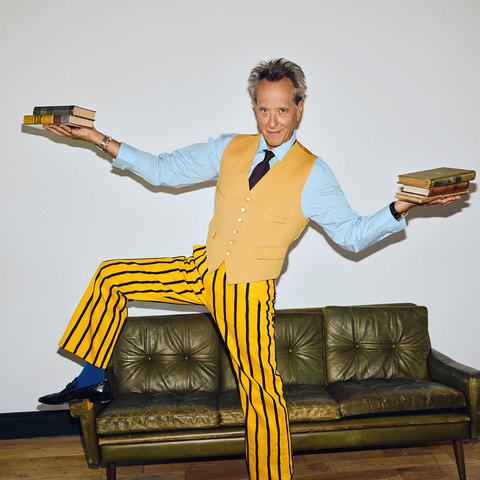
Actor and Second Hand Supporter Richard E. Grant who appears in Oxfam posters for this year’s campaign said:  "We’ve already got too much of everything. Reusing and upcycling clothing – second-hand, vintage, call it what you like – just makes perfect sense."

Original style isn’t about buying more. It’s about finding pieces with a story, keeping them for as long as you can, and passing them on for someone else to discover.”

Richard E. Grant, supporting this year's Second Hand September campaign

Sane Seven
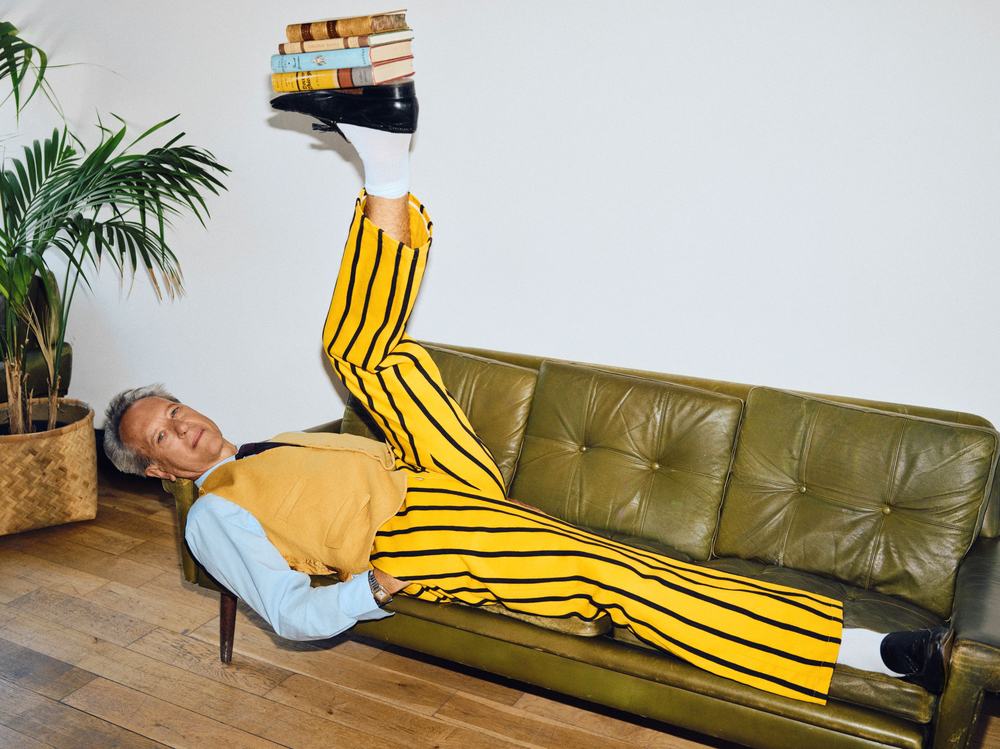
Actor Richard E. Grant is joining forces with Oxfam to encourage people to buy pre-loved clothes this Second Hand September. Styled in Oxfam clothes by Bay Garnett. Photographed by Sane Seven

Oxfam’s State of Style analysis suggests why so many clothes end up unworn, with Britain caught in a system of ‘more’, creating a real need to encourage more conscious shopping habits like choosing second hand. It found:

  • 59% admit buying something because it appeared in an app’s feed or recommendations
  • Yet only 27% say algorithms or online recommendations influence what they buy or wear, suggesting many shoppers underestimate how digital shopping environments shape their choices
  • Over half of Brits (51%) regret at least one clothing purchase from the past year. The water wasted on new clothing that people regret could supply enough drinking water for all humanity for 10 days.

The research paints a picture of clothes being bought quickly, worn less and too often discarded. One in five people (20%) still throw unwanted clothes away rather than donating, repairing or reselling them.

But there are signs Britain wants to break the cycle. More than half (57%) deliberately tried to buy fewer clothes in the past year, suggesting appetite is growing for a different relationship with fashion.

Oxfam GB's Retail Director, Rachel Cosgrove-Pearce commented: “Fashion has never been easier to discover or buy, and this has opened up huge choice, but it has also made the journey from seeing something new to buying it almost instant.

“Shopping second hand is one of the simplest ways to be more thoughtful about what we wear. It slows fashion down, encourages us to buy clothes we genuinely love and helps us see style as something creative, not something that has to be brand new."

When you shop pre-loved, you’re not just giving clothes a second life - you’re choosing individuality over impulse and making a small change that’s better for your wardrobe and for the planet.”

Rachel Cosgrove-Pearce, Retail Director at Oxfam GB

In the light of this new research, and with today marking the beginning of Second Hand September, actor Richard E. Grant and stylist Bay Garnett are joining Oxfam in calling for a different relationship with clothes.

Oxfam shop locations, the charity’s online shop, and more information about the impacts of shopping second hand this September can be found at oxfam.org.uk/secondhandseptember.

Oxfam’s State of Style report will become an annual snapshot of Britain’s fashion habits, tracking the environmental impact of what we buy, wear and throw away, to measure whether the nation’s relationship with clothing is becoming more or less sustainable over time. The 2026 report can be found at oxfam.org.uk/stateofstyle.

Press contact

For comments, interviews, or information please contact the Oxfam GB Media Team: